
Ruth Vanden Bosch, LPC
Michigan · 25 yrs exp
Works with Stress, Anxiety / LGBT / Relationship +11
Works by Attachment-Based Therapy / Cognitive Behavioral Therapy (CBT)
View ProfileThe therapist listings are provided by BetterHelp and we will earn a commission if you use our link - at no cost to you.
Explore profiles of licensed professional counselors who list adoption among their focus areas. Use the listings below to compare focus areas, approaches, credentials, languages, and experience as you consider next steps.
Michigan · 25 yrs exp
Works with Stress, Anxiety / LGBT / Relationship +11
Works by Attachment-Based Therapy / Cognitive Behavioral Therapy (CBT)
View Profile
Maine · 12 yrs exp
Works with Stress, Anxiety / Self esteem / Depression +17
Works by Client-Centered Therapy / Cognitive Behavioral Therapy (CBT)
View Profile
Mississippi · 16 yrs exp
Works with Stress, Anxiety / Relationship / Family +7
Works by Cognitive Behavioral Therapy (CBT) / Gottman Method
View Profile
Colorado · 17 yrs exp
Works with Relationship / Trauma and abuse / Parenting +9
Works by Acceptance and Commitment Therapy (ACT) / Attachment-Based Therapy
View Profile
Louisiana · 7 yrs exp
Works with Stress, Anxiety / Family / Trauma and abuse +16
Works by Acceptance and Commitment Therapy (ACT) / Attachment-Based Therapy
View Profile
Texas · 10 yrs exp
Works with Stress, Anxiety / Relationship / Family +15
Works by Acceptance and Commitment Therapy (ACT) / Attachment-Based Therapy
View Profile
Colorado · 11 yrs exp
Works with Stress, Anxiety / LGBT / Trauma and abuse +16
Works by Acceptance and Commitment Therapy (ACT) / Client-Centered Therapy
View Profile
Texas · 22 yrs exp
Works with Stress, Anxiety / Relationship / Trauma and abuse +17
Works by Acceptance and Commitment Therapy (ACT) / Attachment-Based Therapy
View Profile
Texas · 25 yrs exp
Works with Stress, Anxiety / Family / Intimacy-related issues +16
Works by Attachment-Based Therapy / Client-Centered Therapy
View Profile
Louisiana · 16 yrs exp
Works with Stress, Anxiety / Relationship / Career +15
Works by Client-Centered Therapy / Cognitive Behavioral Therapy (CBT)
View Profile
Illinois · 12 yrs exp
Works with Trauma and abuse / Self esteem / Coping with life changes +9
Works by Acceptance and Commitment Therapy (ACT) / Attachment-Based Therapy
View Profile
Louisiana · 28 yrs exp
Works with Stress, Anxiety / Relationship / Grief +16
Works by Acceptance and Commitment Therapy (ACT) / Attachment-Based Therapy
View Profile
Illinois · 25 yrs exp
Works with Stress, Anxiety / Grief / Parenting +2
Works by Client-Centered Therapy / Emotionally-Focused Therapy (EFT)
View Profile
Missouri · 17 yrs exp
Works with Stress, Anxiety / Addictions / Relationship +10
Works by Attachment-Based Therapy / Client-Centered Therapy
View Profile
Texas · 11 yrs exp · 2 languages
Works with Stress, Anxiety / Anger / Self esteem +9
Works by Acceptance and Commitment Therapy (ACT) / Client-Centered Therapy
View Profile
Louisiana · 12 yrs exp
Works with Relationship / Parenting / Anger +15
Works by Cognitive Behavioral Therapy (CBT) / Psychodynamic Therapy
View Profile
Michigan · 13 yrs exp
Works with Stress, Anxiety / Addictions / Trauma and abuse +17
Works by Acceptance and Commitment Therapy (ACT) / Client-Centered Therapy
View Profile
Minnesota · 7 yrs exp
Works with Stress, Anxiety / LGBT / Trauma and abuse +10
Works by Client-Centered Therapy / Cognitive Behavioral Therapy (CBT)
View Profile
Texas · 14 yrs exp
Works with Stress, Anxiety / Anger / Depression +8
Works by Acceptance and Commitment Therapy (ACT) / Client-Centered Therapy
View Profile
Texas · 18 yrs exp
Works with Stress, Anxiety / Addictions / LGBT +15
Works by Attachment-Based Therapy / Client-Centered Therapy
View Profile
Arkansas · 25 yrs exp
Works with Stress, Anxiety / Family / Trauma and abuse +14
Works by Client-Centered Therapy / Cognitive Behavioral Therapy (CBT)
View Profile
Texas · 30 yrs exp
Works with Stress, Anxiety / Trauma and abuse / Grief +2
View Profile
Illinois · 30 yrs exp
Works with Family / Trauma and abuse / Grief +8
Works by Cognitive Behavioral Therapy (CBT) / Psychodynamic Therapy
View Profile
Alabama · 12 yrs exp
Works with Stress, Anxiety / Family / Anger +14
Works by Cognitive Behavioral Therapy (CBT) / Dialectical Behavior Therapy (DBT)
View Profile
Wisconsin · 30 yrs exp
Works with Stress, Anxiety / Relationship / Family +10
Works by Client-Centered Therapy / Solution-Focused Therapy
View Profile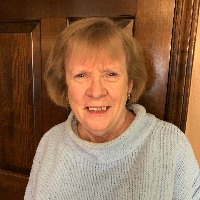
Kansas · 35 yrs exp
Works with Stress, Anxiety / Trauma and abuse / Grief +14
Works by Acceptance and Commitment Therapy (ACT) / Cognitive Behavioral Therapy (CBT)
View Profile
Texas · 3 yrs exp
Works with Stress, Anxiety / Trauma and abuse / Self esteem +12
Works by Cognitive Behavioral Therapy (CBT) / Mindfulness Therapy
View Profile
Missouri · 20 yrs exp
Works with Stress, Anxiety / Relationship / Family +5
Works by Acceptance and Commitment Therapy (ACT) / Client-Centered Therapy
View Profile
Texas · 13 yrs exp
Works with Stress, Anxiety / Relationship / Family +15
Works by Attachment-Based Therapy / Cognitive Behavioral Therapy (CBT)
View Profile
New Jersey · 52 yrs exp · 2 languages
Works with Stress, Anxiety / Relationship / Grief +3
Works by Acceptance and Commitment Therapy (ACT) / Attachment-Based Therapy
View Profile
Oklahoma · 9 yrs exp
Works with Stress, Anxiety / Anger / Self esteem +17
Works by Acceptance and Commitment Therapy (ACT) / Attachment-Based Therapy
View Profile
Ohio · 17 yrs exp
Works with Stress, Anxiety / Addictions / Depression +13
Works by Client-Centered Therapy / Cognitive Behavioral Therapy (CBT)
View Profile
Florida · 9 yrs exp
Works with Stress, Anxiety / Addictions / Self esteem +10
Works by Client-Centered Therapy / Cognitive Behavioral Therapy (CBT)
View Profile
South Carolina · 15 yrs exp
Works with Stress, Anxiety / Trauma and abuse / Anger +14
Works by Acceptance and Commitment Therapy (ACT) / Attachment-Based Therapy
View Profile
Missouri · 17 yrs exp
Works with Family / Anger / Depression +15
Works by Client-Centered Therapy / Cognitive Behavioral Therapy (CBT)
View Profile
Texas · 12 yrs exp
Works with Stress, Anxiety / Addictions / Relationship +15
Works by Acceptance and Commitment Therapy (ACT) / Attachment-Based Therapy
View Profile
Colorado · 15 yrs exp
Works with Stress, Anxiety / Addictions / Trauma and abuse +7
Works by Client-Centered Therapy / Cognitive Behavioral Therapy (CBT)
View Profile
Illinois · 30 yrs exp
Works with Stress, Anxiety / Relationship / Family +13
Works by Acceptance and Commitment Therapy (ACT) / Attachment-Based Therapy
View Profile
Alabama · 35 yrs exp
Works with Stress, Anxiety / Addictions / Relationship +11
Works by Acceptance and Commitment Therapy (ACT) / Attachment-Based Therapy
View Profile
Texas · 7 yrs exp
Works with Stress, Anxiety / Relationship / Family +9
Works by Cognitive Behavioral Therapy (CBT) / Gottman Method
View Profile
Oklahoma · 20 yrs exp
Works with Addictions / Relationship / Intimacy-related issues +4
Works by Acceptance and Commitment Therapy (ACT) / Client-Centered Therapy
View Profile
Tennessee · 37 yrs exp
Works with Addictions / Family / Grief +10
Works by Client-Centered Therapy / Cognitive Behavioral Therapy (CBT)
View Profile
Mississippi · 20 yrs exp
Works with Stress, Anxiety / Addictions / Trauma and abuse +15
Works by Acceptance and Commitment Therapy (ACT) / Client-Centered Therapy
View Profile
Wisconsin · 8 yrs exp
Works with Stress, Anxiety / Relationship / Self esteem +11
Works by Attachment-Based Therapy / Client-Centered Therapy
View Profile
Georgia · 18 yrs exp
Works with Stress, Anxiety / Trauma and abuse / Self esteem +8
Works by Acceptance and Commitment Therapy (ACT) / Client-Centered Therapy
View Profile
Arkansas · 9 yrs exp
Works with Stress, Anxiety / Family / Self esteem +14
Works by Client-Centered Therapy / Cognitive Behavioral Therapy (CBT)
View Profile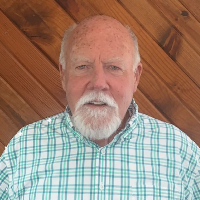
Missouri · 45 yrs exp
Works with Stress, Anxiety / Relationship / Family +16
Works by Client-Centered Therapy / Cognitive Behavioral Therapy (CBT)
View Profile
Texas · 20 yrs exp
Works with Trauma and abuse / Grief / Anger +8
View ProfileAdoption is a life event that can shape identity, relationships, and emotional patterns across the lifespan. For people involved in adoption - birth parents, adoptive parents, adoptees, and kinship connections - the experience often brings a mix of practical and emotional concerns. You might be navigating questions about identity and belonging, grief over loss or separation, cultural or racial issues, or the logistics of reunification and contact. Adoption also intersects with parenting stress, blended-family dynamics, and the normal developmental tasks that appear at different life stages. A clear way to think about adoption-related concerns is that they are rarely only about paperwork or placements; they are about how attachment, narrative, and family history shape daily living and sense of self.
On this site you will find counselors who hold state licenses that go by different names depending on where they practice. The credential is LPC in most states, LPCC in places such as Ohio, California, Kentucky, and Minnesota, and LCPC in states such as Illinois, Maryland, and Montana. In some states the naming reflects the board’s terminology rather than a ranking. All of these credentials require a master’s degree in counseling, a period of supervised postgraduate clinical experience commonly running two to three years and several thousand supervised hours, and passage of a national examination. State boards issue and renew the license, so specific requirements and titles vary from one state to another.
You may be considering counseling when adoption-related feelings interfere with daily functioning, relationships, or parenting. For adoptees, this can look like persistent questions about identity, increased anxiety around attachment, or difficulty trusting caregivers. Birth parents commonly describe unexpected waves of grief or shame, complicated by logistical and relational pressures when reunification or ongoing contact is part of the story. Adoptive parents often seek support for bonding challenges, behavioral concerns, or navigating conversations about race, culture, and origin stories. Extended family members and stepparents may find themselves managing loyalty conflicts and unclear roles.
Practical signs that counseling could help include repetitive conflict around adoption-related topics, overwhelming emotions that are hard to manage on your own, recurring relationship strain, or difficulty carrying out daily responsibilities because of intrusive adoption-related memories or worries. You might also pursue counseling proactively, to prepare for open adoption communication, to support a child through developmental milestones, or to create a family narrative that honors all members’ experiences. A counselor who lists adoption as a focus can help you translate these kinds of concerns into goals and strategies tailored to your situation.
When you begin sessions with a licensed professional counselor who lists adoption as a focus, you can expect an initial period of assessment where you and the counselor clarify goals, history, and immediate needs. That intake conversation typically covers your adoption timeline, family composition, cultural or racial factors, and any legal or medical background that feels relevant. From there, counselors often work collaboratively with you to set concrete goals - for example, improving communication in the family, developing coping skills for grief and loss, or creating a plan for discussing adoption with a child.
Therapeutic work is usually paced to your comfort level. Some people engage in exploration of origin stories and identity, while others prioritize skill-building for parenting or managing emotional triggers. Sessions can include individual meetings, joint sessions with family members, or parallel work with caregivers and children. Counselors aim to balance validation of complex feelings with practical strategies that help you manage day-to-day life. Because these counselors hold state licenses, they are trained to assess risk, refer to other professionals when needed, and coordinate care with pediatricians, schools, or other services when that is part of your plan.
There is a range of approaches that counselors who work with adoption-related concerns may list among their approaches. Many adoption-focused counselors describe a developmental and wellness orientation that begins with how you are functioning and what you want to achieve, rather than focusing only on diagnosis. You will also find counselors who list attachment-informed work among their approaches, which centers relationships, patterns of bonding, and the ways early experiences shape current connection. Trauma-aware language is common in adoption work because separation, loss, and placement events can be experienced as traumatic by some people; you may see counselors who say they use trauma-informed practices or who list specific trauma-focused frameworks among their approaches.
Other counselors may list family-systems or relational approaches that look at roles, communication, and patterns across the family unit. For services that address race, culture, and identity, you might find counselors who list multicultural or identity-affirming approaches. It is important to remember that the directory records what counselors list on their profiles; a listed approach indicates it is something the counselor uses with clients rather than a certification recorded by this site. When you review profiles, look for descriptions that resonate with your circumstances - whether you need help with attachment, identity exploration, parenting strategies, trauma processing, or family communication.
Online counseling with a licensed professional counselor offers a way to work from home or from another convenient location. For families spread across geography, ongoing contact arrangements, or those seeking a practitioner who speaks a particular language or has certain cultural experience, online sessions can increase access to counselors who list adoption as a focus. Expect the counselor to discuss logistics such as technology, session length, and emergency planning during intake. Licensing matters for online work - counselors hold state licenses that govern where they can practice, so some will list the states where they are licensed to provide services. If you choose online sessions, you will still be working with counselors who met the same master's degree, supervised hours, and exam requirements as in-person counselors, but the platform you choose may influence how you manage scheduling, documentation, and coordination with other services.
Start by identifying the priorities that matter to you. Are you looking for someone experienced with identity work for adoptees, reunification counseling for birth parents, parenting strategies for adoptive parents, or culturally responsive care for transracial families? Use the directory to compare focus areas, the languages practitioners list, and the experience they describe. Pay attention to how a counselor frames adoption - do they emphasize development, relationships, trauma awareness, or cultural identity? That language can indicate an orientation that matches your goals.
Also consider practical fit factors you can evaluate from profiles. Look at the counselor’s stated approaches to see whether they list modalities that align with your preferences, keeping in mind that a listed approach is not a certification but an area they use in practice. Note licensure type and state - LPC, LPCC, and LCPC are the same licensed counseling profession under different state titles, and in some states the naming reflects specific board terminology rather than a ranking. Finally, think about logistics you will want to discuss in a first conversation - session format, how family members will be involved, and any supports you may want the counselor to coordinate with, such as schools or pediatric providers. A thoughtfully chosen counselor can provide a space to explore the adoption story and to build strategies for living well with its complexities.
Alabama
238 therapists
Alaska
20 therapists
Arizona
196 therapists
Arkansas
116 therapists
California
174 therapists
Colorado
346 therapists
Connecticut
79 therapists
Delaware
4 therapists
District of Columbia
26 therapists
Florida
152 therapists
Georgia
623 therapists
Hawaii
5 therapists
Idaho
90 therapists
Illinois
383 therapists
Indiana
22 therapists
Iowa
11 therapists
Kansas
41 therapists
Kentucky
128 therapists
Louisiana
310 therapists
Maine
42 therapists
Maryland
174 therapists
Massachusetts
5 therapists
Michigan
318 therapists
Minnesota
117 therapists
Mississippi
151 therapists
Missouri
388 therapists
Montana
78 therapists
Nebraska
12 therapists
Nevada
36 therapists
New Hampshire
7 therapists
New Jersey
261 therapists
New Mexico
61 therapists
New York
32 therapists
North Carolina
89 therapists
North Dakota
12 therapists
Ohio
281 therapists
Oklahoma
278 therapists
Oregon
89 therapists
Pennsylvania
523 therapists
Rhode Island
4 therapists
South Carolina
281 therapists
South Dakota
28 therapists
Tennessee
143 therapists
Texas
1899 therapists
Utah
19 therapists
Vermont
8 therapists
Virginia
287 therapists
Washington
19 therapists
West Virginia
46 therapists
Wisconsin
210 therapists
Wyoming
45 therapists