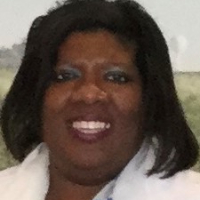
About Treva
Treva Ross-Sanders helps people facing stress, anxiety, trauma, depression, addictions, relationship and family concerns. She is an Arkansas Licensed Professional Counselor (LPC) with 25 years of experience. Her work also includes parenting support, grief, anger, self-esteem, ADHD, and coping with major life changes.
She takes a warm, accepting approach in sessions. Treva listens first, then helps people name what matters most. She uses straightforward tools to manage thoughts, feelings, and behaviors so clients can try new ways of coping and relating.
Background and approach
Her style combines person-centered care with practical strategies from cognitive behavioral approaches. That means clients get a mix of empathetic listening and hands-on skills to change unhelpful patterns. She also draws on trauma-focused methods when processing past harm.
Treva has worked in counseling and case management across diverse clinical settings. Much of her background is in rehabilitation counseling, and she has supported people with dual diagnoses, job and career adjustments, and substance-related challenges. In sessions she helps people set clear goals and practice small, concrete steps between meetings.
Her aim is steady progress rather than sudden fixes, and she treats each person with patience and respect. People who want practical tools alongside supportive listening will find a consistent, experienced guide in Treva.
Approaches that guide online sessions
Treva often blends client-centered therapy and cognitive behavioral therapy in online work. Client-centered therapy focuses on listening with empathy and helping people feel understood so they can explore their goals and values. Cognitive behavioral therapy (CBT) looks at thoughts and behaviors, teaching practical skills to reduce anxiety, manage mood, and handle daily stressors.She treats finding the right approach as a collaborative process. Together with each person she discusses goals, tries techniques, and adjusts methods based on what feels most helpful. That way the plan can shift if different tools work better over time.
Online formats make it easier to fit therapy into a busy life. Video calls allow fuller conversation and visual cues. Phone sessions can be a quicker check-in or help when bandwidth is limited. Live chat and text-based messaging let people send short updates, ask brief questions, or do a focused exercise between longer sessions. These options support consistency and flexibility while using the approaches described above.
Questions people ask
What kinds of concerns does Treva address?
How would you describe her therapy style?
What is her professional background?
What credentials and location are listed?
Which languages are supported and can she see international clients?
What session formats are available?
How does pricing work?
How do I begin working with Treva?
What this counselor works with
Most often
- Stress, Anxiety
- Family conflicts
- Trauma and abuse
Also listed
- Abandonment
- Addictions
- ADHD
- Adoption and foster care
- Anger management
- Attachment issues
- Bipolar disorder
- Career difficulties
- Co-morbidity
- Coaching
- Codependency
- Commitment issues
- Communication problems
- Compassion fatigue
- Control issues
- Coping with life changes
- Depression
- Disruptive Mood Dysregulation Disorder (DMDD)
- Domestic violence
- Family problems
- Grief
- Guilt and shame
- Impulsivity
- Intimacy-related issues
- Isolation / loneliness
- Mood disorders
- Parenting issues
- Personality disorders
- Post-traumatic stress
- Postpartum depression
- Prejudice and discrimination
- Relationship issues
- Self esteem
- Women's issues
- Workplace issues
Therapeutic approaches
- Experience
- 25 years
- Licensed
- Arkansas
- Languages
- English