
Henry "Jay" Swedlaw, LPCC, LCMHC
Texas · 20 yrs exp
Works with Stress, Anxiety / LGBT / Relationship +17
Works by Acceptance and Commitment Therapy (ACT) / Cognitive Behavioral Therapy (CBT)
View ProfileThe therapist listings are provided by BetterHelp and we will earn a commission if you use our link - at no cost to you.
Trauma-Focused Therapy is an approach that concentrates on helping people process distressing experiences and reduce their ongoing effects. Below you can browse licensed professional counselors who list Trauma-Focused Therapy among their approaches and view profiles to learn more about their focus areas, credentials, and experience.
Texas · 20 yrs exp
Works with Stress, Anxiety / LGBT / Relationship +17
Works by Acceptance and Commitment Therapy (ACT) / Cognitive Behavioral Therapy (CBT)
View Profile
Missouri · 23 yrs exp
Works with Stress, Anxiety / Addictions / Trauma and abuse +11
Works by Client-Centered Therapy / Cognitive Behavioral Therapy (CBT)
View Profile
Pennsylvania · 15 yrs exp
Works with Stress, Anxiety / Addictions / Trauma and abuse +14
Works by Cognitive Behavioral Therapy (CBT) / Dialectical Behavior Therapy (DBT)
View Profile
Colorado · 17 yrs exp
Works with Relationship / Trauma and abuse / Parenting +9
Works by Acceptance and Commitment Therapy (ACT) / Attachment-Based Therapy
View Profile
Colorado · 15 yrs exp
Works with Stress, Anxiety / Relationship / Intimacy-related issues +11
Works by Acceptance and Commitment Therapy (ACT) / Attachment-Based Therapy
View Profile
Louisiana · 7 yrs exp
Works with Stress, Anxiety / Family / Trauma and abuse +16
Works by Acceptance and Commitment Therapy (ACT) / Attachment-Based Therapy
View Profile
Maryland · 6 yrs exp
Works with Stress, Anxiety / Trauma and abuse / Self esteem +11
Works by Attachment-Based Therapy / Client-Centered Therapy
View Profile
Maryland · 10 yrs exp
Works with Stress, Anxiety / Relationship / Family +13
Works by Client-Centered Therapy / Cognitive Behavioral Therapy (CBT)
View Profile
Missouri · 7 yrs exp
Works with Stress, Anxiety / Addictions / Relationship +14
Works by Client-Centered Therapy / Cognitive Behavioral Therapy (CBT)
View Profile
Texas · 10 yrs exp
Works with Stress, Anxiety / Relationship / Family +15
Works by Acceptance and Commitment Therapy (ACT) / Attachment-Based Therapy
View Profile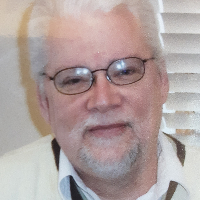
Michigan · 45 yrs exp
Works with Stress, Anxiety / Addictions / Trauma and abuse +11
Works by Client-Centered Therapy / Cognitive Behavioral Therapy (CBT)
View Profile
Ohio · 18 yrs exp
Works with Stress, Anxiety / Trauma and abuse / Grief +12
Works by Acceptance and Commitment Therapy (ACT) / Client-Centered Therapy
View Profile
Ohio · 33 yrs exp
Works with Stress, Anxiety / Family / Trauma and abuse +13
Works by Client-Centered Therapy / Cognitive Behavioral Therapy (CBT)
View Profile
Illinois · 10 yrs exp
Works with Stress, Anxiety / LGBT / Relationship +11
Works by Client-Centered Therapy / Emotionally-Focused Therapy (EFT)
View Profile
Georgia · 14 yrs exp
Works with Stress, Anxiety / LGBT / Trauma and abuse +10
Works by Client-Centered Therapy / Cognitive Behavioral Therapy (CBT)
View Profile
Wisconsin · 23 yrs exp
Works with Stress, Anxiety / Trauma and abuse / Eating +14
Works by Acceptance and Commitment Therapy (ACT) / Client-Centered Therapy
View Profile
Colorado · 11 yrs exp
Works with Stress, Anxiety / LGBT / Trauma and abuse +16
Works by Acceptance and Commitment Therapy (ACT) / Client-Centered Therapy
View Profile
Florida · 30 yrs exp
Works with Stress, Anxiety / Relationship / Trauma and abuse +15
Works by Acceptance and Commitment Therapy (ACT) / Client-Centered Therapy
View Profile
Wisconsin · 26 yrs exp
Works with Stress, Anxiety / Self esteem / Career +12
Works by Acceptance and Commitment Therapy (ACT) / Attachment-Based Therapy
View Profile
Texas · 22 yrs exp
Works with Stress, Anxiety / Relationship / Trauma and abuse +17
Works by Acceptance and Commitment Therapy (ACT) / Attachment-Based Therapy
View Profile
Alabama · 8 yrs exp
Works with Stress, Anxiety / Trauma and abuse / Anger +6
Works by Client-Centered Therapy / Cognitive Behavioral Therapy (CBT)
View Profile
Arizona · 30 yrs exp
Works with Stress, Anxiety / Trauma and abuse / Self esteem +12
Works by Client-Centered Therapy / Cognitive Behavioral Therapy (CBT)
View Profile
Texas · 18 yrs exp
Works with Stress, Anxiety / Addictions / Trauma and abuse +10
Works by Client-Centered Therapy / Cognitive Behavioral Therapy (CBT)
View Profile
New Jersey · 20 yrs exp
Works with Stress, Anxiety / Addictions / Parenting +8
Works by Client-Centered Therapy / Cognitive Behavioral Therapy (CBT)
View Profile
Michigan · 11 yrs exp
Works with Stress, Anxiety / Trauma and abuse / Self esteem +7
Works by Acceptance and Commitment Therapy (ACT) / Attachment-Based Therapy
View Profile
Georgia · 17 yrs exp
Works with Relationship / Family / Trauma and abuse +14
Works by Acceptance and Commitment Therapy (ACT) / Attachment-Based Therapy
View Profile
Ohio · 20 yrs exp · 2 languages
Works with Stress, Anxiety / Addictions / Relationship +16
Works by Acceptance and Commitment Therapy (ACT) / Client-Centered Therapy
View Profile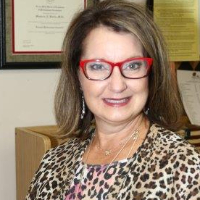
Texas · 4 yrs exp
Works with Stress, Anxiety / Addictions / Relationship +4
Works by Acceptance and Commitment Therapy (ACT) / Client-Centered Therapy
View Profile
Connecticut · 9 yrs exp
Works with Stress, Anxiety / Self esteem / Depression +5
Works by Acceptance and Commitment Therapy (ACT) / Client-Centered Therapy
View Profile
Florida · 12 yrs exp
Works with Stress, Anxiety / Addictions / Parenting +9
Works by Client-Centered Therapy / Cognitive Behavioral Therapy (CBT)
View Profile
Louisiana · 10 yrs exp
Works with Stress, Anxiety / Trauma and abuse / Anger +13
Works by Attachment-Based Therapy / Client-Centered Therapy
View Profile
Illinois · 12 yrs exp
Works with Trauma and abuse / Self esteem / Coping with life changes +9
Works by Acceptance and Commitment Therapy (ACT) / Attachment-Based Therapy
View Profile
Maryland · 25 yrs exp
Works with Stress, Anxiety / Addictions / Relationship +13
Works by Acceptance and Commitment Therapy (ACT) / Client-Centered Therapy
View Profile
Texas · 4 yrs exp
Works with Stress, Anxiety / Trauma and abuse / Parenting +14
Works by Client-Centered Therapy / Cognitive Behavioral Therapy (CBT)
View Profile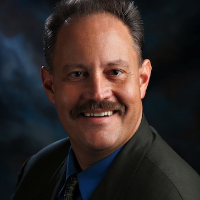
Louisiana · 25 yrs exp
Works with Addictions / Relationship / Family +12
Works by Client-Centered Therapy / Cognitive Behavioral Therapy (CBT)
View Profile
Missouri · 30 yrs exp
Works with Stress, Anxiety / Relationship / Family +13
Works by Client-Centered Therapy / Cognitive Behavioral Therapy (CBT)
View Profile
Mississippi · 23 yrs exp
Works with Stress, Anxiety / Anger / Depression +11
Works by Attachment-Based Therapy / Client-Centered Therapy
View Profile
Kansas · 17 yrs exp
Works with Stress, Anxiety / Relationship / Family +11
Works by Attachment-Based Therapy / Client-Centered Therapy
View Profile
Missouri · 17 yrs exp
Works with Stress, Anxiety / Addictions / Relationship +10
Works by Attachment-Based Therapy / Client-Centered Therapy
View Profile
Pennsylvania · 13 yrs exp
Works with Stress, Anxiety / Trauma and abuse / Grief +13
Works by Acceptance and Commitment Therapy (ACT) / Client-Centered Therapy
View Profile
Texas · 11 yrs exp · 2 languages
Works with Stress, Anxiety / Anger / Self esteem +9
Works by Acceptance and Commitment Therapy (ACT) / Client-Centered Therapy
View Profile
Oklahoma · 20 yrs exp
Works with Stress, Anxiety / Addictions / Trauma and abuse +9
Works by Acceptance and Commitment Therapy (ACT) / Attachment-Based Therapy
View Profile
Wisconsin · 5 yrs exp
Works with Stress, Anxiety / Addictions / Relationship +12
Works by Acceptance and Commitment Therapy (ACT) / Attachment-Based Therapy
View Profile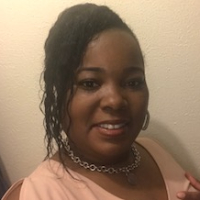
Louisiana · 10 yrs exp
Works with Stress, Anxiety / Trauma and abuse / Anger +9
Works by Client-Centered Therapy / Cognitive Behavioral Therapy (CBT)
View Profile
Texas · 26 yrs exp
Works with Stress, Anxiety / Relationship / Trauma and abuse +12
Works by Client-Centered Therapy / Cognitive Behavioral Therapy (CBT)
View Profile
Louisiana · 12 yrs exp
Works with Relationship / Parenting / Anger +15
Works by Cognitive Behavioral Therapy (CBT) / Psychodynamic Therapy
View Profile
Michigan · 13 yrs exp
Works with Stress, Anxiety / Addictions / Trauma and abuse +17
Works by Acceptance and Commitment Therapy (ACT) / Client-Centered Therapy
View Profile
Minnesota · 7 yrs exp
Works with Stress, Anxiety / LGBT / Trauma and abuse +10
Works by Client-Centered Therapy / Cognitive Behavioral Therapy (CBT)
View ProfileTrauma-Focused Therapy refers broadly to clinical work that centers on understanding and addressing the impact of traumatic experiences on a person’s thoughts, emotions, behaviors, and relationships. The phrase describes a set of goals and principles rather than a single manualized method. You can expect a trauma-focused approach to prioritize establishing safety and stabilization first, helping you develop tools to manage strong reactions, and then slowly approaching memories or situations that maintain distress. Clinicians working within this framework often emphasize pacing, collaboration, and consent so that each step toward processing is manageable and aligned with your goals.
The approach tends to be grounded in the idea that trauma affects more than memory - it can change how your body, attention, and relationships function. For that reason, trauma-focused work often integrates attention to both thinking and bodily experience, and it uses practices designed to help you regain a sense of control and perspective. Because licensure, methods, and emphases vary by counselor and by state, this directory presents licensed professional counselors who list Trauma-Focused Therapy among their approaches so you can review individual profiles and make informed choices about fit.
Therapists who orient their work around trauma commonly address a wide range of situations where past events continue to cause distress. This includes responses to single-incident trauma such as accidents or assaults, as well as complex or repeated trauma like childhood abuse, prolonged interpersonal violence, or medical trauma. People also seek trauma-focused work for symptoms such as intrusive memories, nightmares, avoidance of reminders, hyperarousal, or persistent relationship difficulties that trace back to traumatic experiences.
Beyond classic posttraumatic stress reactions, trauma-focused approaches are often used with people experiencing complicated grief, ongoing effects of discrimination or workplace trauma, secondary exposure to others’ trauma, and challenges that may not be labeled as "PTSD" but that nonetheless interfere with daily functioning. Because licensed professional counselors approach care from a wellness and developmental lens, the focus is on how you are functioning now and what you want to change or build, rather than only on diagnostic labels.
A typical session within a trauma-focused framework balances safety, present-moment coping, and gradual exploration of the material that is maintaining distress. You might begin with a brief check-in about how the week went, any changes in sleep or mood, and whether there are immediate stressors to address. The counselor will likely use this check-in to gauge whether you need grounding or stabilization before any memory-focused work. Stabilization may include teaching breathing techniques, body-awareness strategies, or ways to manage intense emotions between sessions.
If you and your counselor agree to work on memories or meanings connected to traumatic events, the work will usually proceed with careful pacing and explicit planning. Processing can involve talking through the memory, noticing related thoughts and beliefs, or using structured exercises designed to shift how those memories are held in your mind. Sessions often end with a return to present-moment skills and a plan for how to manage any distress that arises afterward. You may also discuss goals for therapy and practical steps to try between sessions. Because licensed professional counselors are regulated at the state level, the specific methods you encounter will vary; reading profiles and descriptions can help you understand which counselors emphasize talk-based processing, body-centered methods, or cognitive strategies.
Trauma-focused work differs from other therapeutic orientations primarily in its explicit focus on the role of traumatic experiences in shaping current difficulties. For example, general cognitive approaches emphasize the links between thoughts, feelings, and behaviors and may use structured exercises to change unhelpful thinking patterns. Psychodynamic approaches may explore longstanding interpersonal patterns and early relationships without necessarily centering on trauma memories in the same way. Humanistic or person-centered counseling emphasizes your strengths and growth trajectory, which can overlap with trauma-focused goals but may not prioritize memory processing.
Another key difference is that trauma-focused work often includes specific phases - stabilization, processing, and integration - and it pays close attention to pacing and safety because revisiting painful material can temporarily raise distress. This does not mean other approaches are incompatible with trauma work; many counselors combine elements from different orientations. When you review counselor profiles, look for descriptions that explain whether the clinician emphasizes processing traumatic memories, body-based regulation, cognitive reframing of trauma-related beliefs, or narrative rebuilding of a person's story. That will give you a clearer sense of how their approach matches what you are hoping to address.
Trauma-focused work can be appropriate for adults and adolescents who are working to reduce the lingering effects of one or more traumatic events and who can engage in planned, paced therapy. You might be a good candidate if you notice that past events continue to shape your emotional reactions, relationships, or daily routines in ways you would like to change. At the same time, if you are experiencing immediate safety concerns or are at risk of harm, it is important to reach out to emergency services or a crisis line for immediate support before starting trauma-focused therapy.
When looking for a counselor who lists Trauma-Focused Therapy among their approaches, consider several practical factors. Verify the counselor's licensure type in your state - licensed professional counselors appear under different names: LPC in most states, LPCC in states such as Ohio, California, Kentucky, and Minnesota, and LCPC in states such as Illinois, Maryland, and Montana. Keep in mind that some states use LPC and LPCC side by side to denote different stages or scopes of practice; where that distinction matters it will be described as the state’s own naming. Confirm that the counselor holds the appropriate state license, and review profile details about their focus areas, years of experience, languages spoken, and the populations they list, such as adolescents, veterans, or families.
Because this directory lists licensed professionals who indicate Trauma-Focused Therapy among their approaches, use profiles to learn how each counselor describes their work, what client goals they emphasize, and which age groups or life stages they serve. You may also want to ask about session structure, typical length of work, and how the counselor helps people manage distress between sessions. Comparing these elements - not availability or booking status - will help you decide which profiles feel most aligned with your needs.
The LPC/LPCC/LCPC license requires a master’s degree in counseling or a closely related field, a state-set period of supervised postgraduate clinical experience commonly running two to three years and amounting to several thousand supervised hours, and successful completion of a national examination. A state board issues and renews the license, so titles and exact requirements vary by state. This licensing framework is intended to ensure that counselors meet baseline professional standards; beyond that, individual counselors describe their specific approaches and areas of emphasis on their profiles.
Choosing a counselor is a personal decision. Using the profile information available in this directory to focus on approach descriptions, licensure type, focus areas, languages, and experience will help you identify counselors who align with your goals for trauma-focused work. If you are unsure, look for a counselor whose profile communicates a clear plan for pacing, stabilization, and collaborative goal-setting, and who works with the age group or life context that matches yours.
Alabama
238 therapists
Alaska
20 therapists
Arizona
196 therapists
Arkansas
116 therapists
California
174 therapists
Colorado
346 therapists
Connecticut
79 therapists
Delaware
4 therapists
District of Columbia
26 therapists
Florida
152 therapists
Georgia
623 therapists
Hawaii
5 therapists
Idaho
90 therapists
Illinois
383 therapists
Indiana
22 therapists
Iowa
11 therapists
Kansas
41 therapists
Kentucky
128 therapists
Louisiana
310 therapists
Maine
42 therapists
Maryland
174 therapists
Massachusetts
5 therapists
Michigan
318 therapists
Minnesota
117 therapists
Mississippi
151 therapists
Missouri
388 therapists
Montana
78 therapists
Nebraska
12 therapists
Nevada
36 therapists
New Hampshire
7 therapists
New Jersey
261 therapists
New Mexico
61 therapists
New York
32 therapists
North Carolina
89 therapists
North Dakota
12 therapists
Ohio
281 therapists
Oklahoma
278 therapists
Oregon
89 therapists
Pennsylvania
523 therapists
Rhode Island
4 therapists
South Carolina
281 therapists
South Dakota
28 therapists
Tennessee
143 therapists
Texas
1899 therapists
Utah
19 therapists
Vermont
8 therapists
Virginia
287 therapists
Washington
19 therapists
West Virginia
46 therapists
Wisconsin
210 therapists
Wyoming
45 therapists