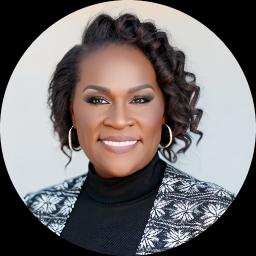
About Lisa
Dr. Lisa Davis is a Licensed Professional Counselor with 14 years of clinical experience based in Georgia. She combines practical skills with a calm manner to help people facing stress, anxiety, depression, grief, and major life changes.
Her approach is straightforward and focused on what will help a person feel steadier day to day. She draws from therapies that teach skills and shift thinking. Sessions often involve identifying patterns that cause pain and trying small changes to see what helps.
Background and approach
That might mean learning new ways to handle strong emotions, practicing different communication habits, or building routines that reduce overwhelm. Dr. Davis also pays attention to how life roles affect wellbeing.
She supports people dealing with parenting strain, caregiver stress, adoption and foster care concerns, aging-related issues, and challenges that come with blended families. Work and career shifts are addressed with practical planning and coping strategies. People who seek help for trauma, addiction, or anger learn tools for managing intense reactions.
Those facing relationship or attachment struggles may work on communication and boundaries. Sessions are collaborative and paced to each person’s needs. Her style is accepting and nonjudgmental.
She encourages clients to take small, doable steps toward goals. The emphasis is on usable skills and clearer thinking rather than labels or lengthy explanations.
Approaches that translate well to online care
Acceptance and Commitment Therapy, or ACT, helps people notice difficult thoughts and feelings without letting them dictate actions. It focuses on values and small steps that bring more meaningful contact with life, which can help with anxiety, depression, and life transitions.Client-Centered Therapy emphasizes a supportive, nonjudgmental space where people can talk through what matters most. That approach helps clients build their own insights and increases self-compassion during hard times.
Cognitive Behavioral Therapy, or CBT, targets unhelpful thinking and behavior patterns. In sessions people learn concrete skills for managing worry, mood, and everyday problems through practical exercises and homework.
Finding the right approach is collaborative. The therapist will listen to your goals and try methods that match your situation. Together you can adjust the plan as you learn what works for you.
Online therapy offers flexibility. Video calls allow face-to-face conversation when visual cues matter. Phone sessions can be easier when bandwidth is low or when someone prefers not to be on camera. Live chat and text-based messaging support brief check-ins, skill practice, and ongoing encouragement between sessions. These options make it simpler to fit therapy around work, caregiving, or other responsibilities.
Questions people ask
What concerns does she help with?
How would you describe her therapeutic style?
What is her clinical background?
What credentials and region are listed?
Which languages and international options are supported?
What session formats are offered?
How does cost work?
How do I begin working with her?
What this counselor works with
Most often
- Relationship issues
- Family conflicts
- Grief
Also listed
- Addictions
- ADHD
- Adoption and foster care
- Aging and geriatric issues
- Anger management
- Attachment issues
- Avoidant personality
- Blended family issues
- Body image
- Career difficulties
- Caregiver issues and stress
- Codependency
- Commitment issues
- Communication problems
- Compassion fatigue
- Control issues
- Coping with life changes
- Coping with natural or human-caused disaster
- Dependent personality
- Depression
- Divorce and separation
- Domestic violence
- Drug and alcohol addiction
- Emptiness
- Family problems
- First responder issues
- Forgiveness
- Hospice and end-of-life counseling
- Infidelity
- Isolation / loneliness
- Jealousy
- Life purpose
- Midlife crisis
- Money and financial issues
- Mood disorders
- Multicultural concerns
- Panic disorder and panic attacks
- Paranoia
- Parenting issues
- Personality disorders
- Post-traumatic stress
- Postpartum depression
- Prejudice and discrimination
- Seasonal Affective Disorder (SAD)
- Self esteem
- Self-harm
- Self-love
- Social anxiety and phobia
- Stress, Anxiety
- Trauma and abuse
- Veteran and Armed Forces Issues
- Women's issues
- Workplace issues
- Young adult issues
Therapeutic approaches
- Experience
- 14 years
- Licensed
- Georgia
- Languages
- English