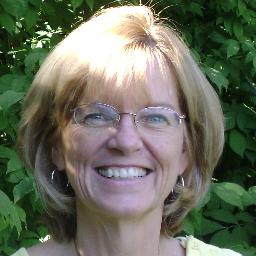
About Linda
Linda Hill is a Licensed Clinical Professional Counselor (LCPC) practicing in Idaho with 24 years of experience in mental health. She focuses on building a practical connection with each person. She helps people name what feels stuck and learn skills to move forward.
She works with many common concerns such as stress, anxiety, grief, depression, and coping with life changes. Relationship and intimacy-related issues, self-esteem, career challenges, and compassion fatigue are also part of her practice.
Background and approach
She also supports people facing trauma and abuse, bipolar concerns, and chronic illness or pain. Her approach blends talk therapy with attention to mind, body, and spirit. She uses methods like cognitive behavioral techniques and acceptance and commitment ideas to help people notice patterns and try new actions.
Attachment-based and client-centered practices shape how she builds trust and safety in sessions. Sessions are intended to help people discover their own answers and learn concrete skills. She aims to help clients practice new ways of coping and communicating so they can handle everyday pressures and longer term changes.
Linda brings long experience and a calm, straightforward style to her work. She offers in-person and online formats and works with international clients who prefer sessions in English. The goal is steady progress that fits each person’s life and goals.
How therapeutic approaches translate to online work
Acceptance and Commitment Therapy (ACT) focuses on noticing thoughts and choosing actions that match valued goals. It helps people who feel stuck by teaching simple exercises to make room for difficult feelings and move toward what matters. Cognitive Behavioral Therapy (CBT) looks at patterns of thinking and behavior and uses practical steps to change unhelpful cycles; it is often used for anxiety, depression, and stress. Dialectical Behavior Therapy (DBT) offers skills for emotion regulation, distress tolerance, and clearer communication, which can help with strong mood swings and relationship strain.Choosing a therapeutic approach is a collaborative process. The therapist will discuss goals, try techniques, and adjust the plan based on what is helpful. Clients and the therapist work together to test approaches and pick the mix that fits the person’s needs and preferences.
Online therapy with Linda includes video calls, phone sessions, live chat, and text-based messaging to fit busy schedules. Video calls are useful for full conversations and visual cues. Phone sessions can work when bandwidth is limited or when a shorter check-in is needed. Live chat and text messaging make it easier to fit support into brief moments during the day and to follow up between sessions. These options make therapy more flexible and easier to maintain alongside daily life.
Questions people ask
What concerns does she address?
How would you describe her therapeutic style?
What is her clinical background?
What credentials and location are listed?
In which languages are sessions offered?
What session formats are available?
How is cost handled?
How do I begin working with her?
What this counselor works with
Most often
- Stress, Anxiety
- Relationship issues
- Grief
Also listed
- Abandonment
- Adoption and foster care
- Aging and geriatric issues
- Attachment issues
- Autism and Asperger Syndrome
- Avoidant personality
- Bipolar disorder
- Blended family issues
- Body image
- Career difficulties
- Chronic pain, illness, and disability
- Co-morbidity
- Codependency
- Commitment issues
- Communication problems
- Compassion fatigue
- Control issues
- Coping with life changes
- Coping with natural or human-caused disaster
- Dependent personality
- Depression
- Disruptive Mood Dysregulation Disorder (DMDD)
- Dissociation
- Divorce and separation
- Domestic violence
- Drug and alcohol addiction
- Eating and food-related issues
- Emptiness
- Family conflicts
- Family of origin issues
- Family problems
- Fatherhood issues
- Fertility issues
- First responder issues
- Forgiveness
- Guilt and shame
- Hospice and end-of-life counseling
- Impulsivity
- Infidelity
- Intimacy-related issues
- Isolation / loneliness
- Life purpose
- Midlife crisis
- Money and financial issues
- Mood disorders
- Multicultural concerns
- Narcissism
- Obsessions, compulsions, and OCD
- Panic disorder and panic attacks
- Paranoia
- Phobias
- Post-traumatic stress
- Postpartum depression
- Seasonal Affective Disorder (SAD)
- Self esteem
- Self-harm
- Self-love
- Sexual assault and abuse
- Social anxiety and phobia
- Trauma and abuse
- Veteran and Armed Forces Issues
- Women's issues
- Workplace issues
Therapeutic approaches
- Acceptance and Commitment Therapy (ACT)
- Attachment-Based Therapy
- Client-Centered Therapy
- Cognitive Behavioral Therapy (CBT)
- Dialectical Behavior Therapy (DBT)
- Emotionally-Focused Therapy (EFT)
- Existential Therapy
- Jungian Therapy
- Mindfulness Therapy
- Motivational Interviewing
- Narrative Therapy
- Solution-Focused Therapy
- Trauma-Focused Therapy
- Internal Family Systems
- Experience
- 24 years
- Licensed
- Idaho
- Languages
- English