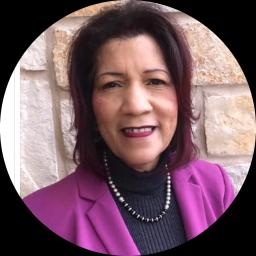
About Dianne
Dianne Dabney offers calm, practical support for people facing stress, anxiety, depression, grief, and major life changes. She welcomes direct conversation about relationship struggles, parenting concerns, addiction, trauma, and self-esteem. Dianne writes in plain language and focuses on skills that people can use between sessions.
She uses Cognitive Behavioral Therapy as a main approach to help people look at thoughts and actions that keep problems going. She also draws on Client-Centered methods to listen without judgment and build a collaborative plan.
Background and approach
Elements from Dialectical Behavior Therapy and Emotionally-Focused techniques are available when emotion regulation or relationship patterns come up. Dianne holds a Licensed Professional Counselor credential - LPC - and has five years of clinical experience. She is based in Texas and works with adults across a wide range of life concerns.
Sessions are offered in English. In sessions, Dianne focuses on practical steps and clear goals. She helps people practice new ways of coping, notice unhelpful thinking, and try different behaviors.
Conversations are structured to make progress in manageable steps. Her background includes training in clinical mental health and experience supporting people through intense life events. That experience informs how she helps clients set priorities, manage symptoms like anxiety or anger, and build routines that support recovery and daily functioning.
Approaches that guide online sessions
Dianne commonly uses Cognitive Behavioral Therapy and Client-Centered Therapy in online work. Cognitive Behavioral Therapy focuses on identifying unhelpful thoughts and trying different behaviors to reduce symptoms like anxiety or depression. Client-Centered Therapy emphasizes empathetic listening and collaboration so clients set goals that matter to them.She may also draw on Dialectical Behavior Therapy techniques when emotion regulation or intense reactions are a concern. DBT offers practical skills for managing strong feelings, improving distress tolerance, and strengthening interpersonal effectiveness. Together these approaches help with mood, relationships, and managing everyday stressors.
Dianne treats choosing an approach as a team effort. She will talk with each person about goals, preferences, and what feels most useful, then adapt methods as work progresses. That collaborative process helps find the best fit rather than locking into a single method.
Online formats include video calls, phone sessions, live chat, and text-based messaging. Video is useful for longer sessions and interactive skill work, phone can fit a short check-in or low-bandwidth option, and chat or messaging allows brief updates or ongoing support between sessions. These options make scheduling more flexible and help people keep continuity when life is busy.
Questions people ask
What kinds of problems does Dianne work with?
What is her therapeutic style like?
How much experience does she have?
Where is Dianne licensed and located?
Which languages are supported?
What session formats are available?
How does payment and cost work?
How do I begin working with her?
What this counselor works with
Most often
- Stress, Anxiety
- Relationship issues
- Anger management
Also listed
- Abandonment
- Addictions
- ADHD
- Aging and geriatric issues
- Antisocial personality
- Attachment issues
- Bipolar disorder
- Blended family issues
- Body image
- Caregiver issues and stress
- Co-morbidity
- Codependency
- Commitment issues
- Communication problems
- Compassion fatigue
- Control issues
- Coping with life changes
- Dependent personality
- Depression
- Divorce and separation
- Domestic violence
- Drug and alcohol addiction
- Emptiness
- Family conflicts
- Family problems
- First responder issues
- Forgiveness
- Grief
- Guilt and shame
- Hoarding
- Hospice and end-of-life counseling
- Impulsivity
- Infidelity
- Intimacy-related issues
- Isolation / loneliness
- Jealousy
- Life purpose
- Midlife crisis
- Money and financial issues
- Mood disorders
- Multicultural concerns
- Narcissism
- Obsessions, compulsions, and OCD
- Panic disorder and panic attacks
- Paranoia
- Parenting issues
- Personality disorders
- Phobias
- Post-traumatic stress
- Postpartum depression
- Pregnancy and childbirth
- Seasonal Affective Disorder (SAD)
- Self esteem
- Self-harm
- Self-love
- Social anxiety and phobia
- Trauma and abuse
- Veteran and Armed Forces Issues
- Women's issues
- Workplace issues
- Young adult issues
Therapeutic approaches
- Experience
- 5 years
- Licensed
- Texas
- Languages
- English