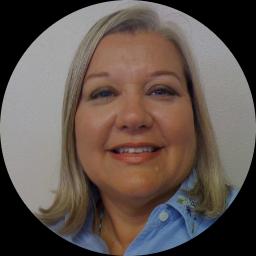
About Betsy
Dr. Betsy Puentes uses practical, client-centered approaches to help people manage stress, anxiety, depression, addiction, and relationship struggles. She brings 46 years of clinical work to each appointment and draws on familiar therapies to help people make lasting changes.
She holds a Master’s in Clinical Psychology and a Doctorate in Counseling Psychology, and is licensed in Texas as a Licensed Marriage and Family Therapist and a Licensed Professional Counselor. Her background spans many settings and a wide range of concerns, so she is comfortable addressing common life challenges and more complex patterns alike.
Background and approach
In sessions she focuses on clear goals and steady progress. She helps clients notice what matters to them, learn new ways of thinking, and practice skills that fit daily life. Conversations are direct but supportive, with concrete steps between visits.
Her work includes help for parenting stress, caregiving strain, chronic pain or illness, body image and self-esteem issues, and problems tied to attachment or abandonment. She also supports people facing career transitions, trauma and abuse, anger, and addiction concerns. Dr.
Puentes often uses acceptance and commitment ideas alongside cognitive and emotion-focused strategies. She encourages people to name values, experiment with new choices, and build stronger communication habits. The overall aim is clearer priorities and steadier functioning in everyday life.
Therapy approaches and online options that fit your life
Acceptance and Commitment Therapy (ACT) helps people clarify what matters most to them and take steps toward those values, even when difficult thoughts and feelings are present. It often helps with anxiety, depression, and life transitions by shifting focus from fighting feelings to acting on purpose.Cognitive Behavioral Therapy (CBT) focuses on the links between thoughts, feelings, and behavior. It teaches practical skills for changing unhelpful thought patterns and building coping strategies, which can reduce anxiety, manage mood, and improve daily functioning.
Emotionally-Focused Therapy (EFT) centers on understanding and reshaping emotional responses, especially in close relationships. It helps people name emotions, communicate needs, and repair patterns that cause distance or conflict.
Choosing the right approach is a collaborative process. The therapist will talk with the client about goals, try methods that match those goals, and adjust techniques as progress is seen. Clients often combine elements from different approaches to get the best fit.
Online therapy offers practical flexibility. Video calls allow face-to-face conversation when visual cues matter. Phone sessions work when bandwidth or camera use is limited. Live chat and text-based messaging make it possible to check in between sessions or fit brief updates into a busy day. These formats make it easier to keep therapy consistent around work, caregiving, and other commitments.
Questions people ask
What concerns does this therapist address?
What is the therapy style like?
How much clinical experience does she have?
What credentials and location are listed?
Which languages are supported for sessions?
What session formats are available?
How does payment and cost work?
How do I begin the process?
What this counselor works with
Most often
- Stress, Anxiety
- Self esteem
- Career difficulties
Also listed
- Abandonment
- Addictions
- Aging and geriatric issues
- Anger management
- Attachment issues
- Avoidant personality
- Blended family issues
- Body image
- Caregiver issues and stress
- Chronic pain, illness, and disability
- Codependency
- Commitment issues
- Communication problems
- Control issues
- Coping with life changes
- Coping with natural or human-caused disaster
- Dependent personality
- Depression
- Disruptive Mood Dysregulation Disorder (DMDD)
- Divorce and separation
- Drug and alcohol addiction
- Eating and food-related issues
- Emptiness
- Family of origin issues
- Family problems
- Fatherhood issues
- Forgiveness
- Gender dysphoria
- Guilt and shame
- HIV / AIDS
- Hoarding
- Immigration issues
- Impulsivity
- Infidelity
- Intellectual disability
- Isolation / loneliness
- Jealousy
- LGBT
- Life purpose
- Men's issues
- Midlife crisis
- Money and financial issues
- Mood disorders
- Multicultural concerns
- Narcissism
- Obsessions, compulsions, and OCD
- Panic disorder and panic attacks
- Personality disorders
- Phobias
- Polyamory / non-monogamous relationships
- Post-traumatic stress
- Postpartum depression
- Pregnancy and childbirth
- Relationship issues
- Seasonal Affective Disorder (SAD)
- Self-harm
- Self-love
- Sexuality
- Social anxiety and phobia
- Trauma and abuse
- Veteran and Armed Forces Issues
- Visually impaired
- Women's issues
- Workplace issues
- Young adult issues
Therapeutic approaches
- Experience
- 46 years
- Licensed
- Texas
- Languages
- English