
Rick Fulton, LPC
Texas · 30 yrs exp
Works with Stress, Anxiety / Addictions / Anger +14
Works by Cognitive Behavioral Therapy (CBT) / Mindfulness Therapy
View ProfileThe therapist listings are provided by BetterHelp and we will earn a commission if you use our link - at no cost to you.
This directory highlights licensed professional counselors who list commitment issues among their focus areas. Browse the therapist profiles below to compare credentials, approaches, languages, and experience.
Texas · 30 yrs exp
Works with Stress, Anxiety / Addictions / Anger +14
Works by Cognitive Behavioral Therapy (CBT) / Mindfulness Therapy
View Profile
Michigan · 25 yrs exp
Works with Stress, Anxiety / LGBT / Relationship +11
Works by Attachment-Based Therapy / Cognitive Behavioral Therapy (CBT)
View Profile
California · 14 yrs exp
Works with Stress, Anxiety / Relationship / Family +10
Works by Attachment-Based Therapy / Client-Centered Therapy
View Profile
Colorado · 15 yrs exp
Works with Stress, Anxiety / Relationship / Intimacy-related issues +11
Works by Acceptance and Commitment Therapy (ACT) / Attachment-Based Therapy
View Profile
Louisiana · 7 yrs exp
Works with Stress, Anxiety / Family / Trauma and abuse +16
Works by Acceptance and Commitment Therapy (ACT) / Attachment-Based Therapy
View Profile
Maryland · 6 yrs exp
Works with Stress, Anxiety / Trauma and abuse / Self esteem +11
Works by Attachment-Based Therapy / Client-Centered Therapy
View Profile
Michigan · 5 yrs exp
Works with Stress, Anxiety / Relationship / Family +13
Works by Acceptance and Commitment Therapy (ACT) / Cognitive Behavioral Therapy (CBT)
View Profile
Pennsylvania · 12 yrs exp
Works with Stress, Anxiety / Relationship / Self esteem +12
Works by Client-Centered Therapy / Cognitive Behavioral Therapy (CBT)
View Profile
Arizona · 6 yrs exp
Works with Stress, Anxiety / Relationship / Family +12
Works by Client-Centered Therapy / Cognitive Behavioral Therapy (CBT)
View Profile
Missouri · 7 yrs exp
Works with Stress, Anxiety / Addictions / Relationship +14
Works by Client-Centered Therapy / Cognitive Behavioral Therapy (CBT)
View Profile
Louisiana · 10 yrs exp
Works with Stress, Anxiety / Relationship / Family +13
Works by Attachment-Based Therapy / Client-Centered Therapy
View Profile
Texas · 10 yrs exp
Works with Stress, Anxiety / Relationship / Family +15
Works by Acceptance and Commitment Therapy (ACT) / Attachment-Based Therapy
View Profile
Ohio · 33 yrs exp
Works with Stress, Anxiety / Family / Trauma and abuse +13
Works by Client-Centered Therapy / Cognitive Behavioral Therapy (CBT)
View Profile
Illinois · 10 yrs exp
Works with Stress, Anxiety / LGBT / Relationship +11
Works by Client-Centered Therapy / Emotionally-Focused Therapy (EFT)
View Profile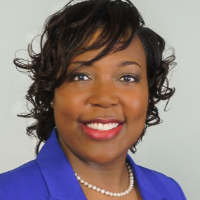
Florida · 10 yrs exp
Works with Relationship / Family / Self esteem +5
Works by Client-Centered Therapy / Cognitive Behavioral Therapy (CBT)
View Profile
Georgia · 14 yrs exp
Works with Stress, Anxiety / LGBT / Trauma and abuse +10
Works by Client-Centered Therapy / Cognitive Behavioral Therapy (CBT)
View Profile
Colorado · 11 yrs exp
Works with Stress, Anxiety / LGBT / Trauma and abuse +16
Works by Acceptance and Commitment Therapy (ACT) / Client-Centered Therapy
View Profile
Florida · 30 yrs exp
Works with Stress, Anxiety / Relationship / Trauma and abuse +15
Works by Acceptance and Commitment Therapy (ACT) / Client-Centered Therapy
View Profile
Missouri · 14 yrs exp
Works with Stress, Anxiety / Self esteem / Career +14
Works by Acceptance and Commitment Therapy (ACT) / Attachment-Based Therapy
View Profile
Texas · 22 yrs exp
Works with Stress, Anxiety / Relationship / Trauma and abuse +17
Works by Acceptance and Commitment Therapy (ACT) / Attachment-Based Therapy
View Profile
Arizona · 30 yrs exp
Works with Stress, Anxiety / Trauma and abuse / Self esteem +12
Works by Client-Centered Therapy / Cognitive Behavioral Therapy (CBT)
View Profile
Texas · 10 yrs exp · 2 languages
Works with Stress, Anxiety / Relationship / Anger +17
Works by Cognitive Behavioral Therapy (CBT) / Solution-Focused Therapy
View Profile
Missouri · 20 yrs exp
Works with Stress, Anxiety / Addictions / Trauma and abuse +15
Works by Client-Centered Therapy / Cognitive Behavioral Therapy (CBT)
View Profile
Mississippi · 25 yrs exp
Works with Stress, Anxiety / Relationship / Family +16
Works by Acceptance and Commitment Therapy (ACT) / Client-Centered Therapy
View Profile
Michigan · 11 yrs exp
Works with Stress, Anxiety / Trauma and abuse / Self esteem +7
Works by Acceptance and Commitment Therapy (ACT) / Attachment-Based Therapy
View Profile
Texas · 18 yrs exp
Works with Stress, Anxiety / Relationship / Family +10
Works by Cognitive Behavioral Therapy (CBT) / Mindfulness Therapy
View Profile
Georgia · 3 yrs exp
Works with Stress, Anxiety / Relationship / Family +7
Works by Cognitive Behavioral Therapy (CBT)
View Profile
Virginia · 13 yrs exp
Works with Stress, Anxiety / Anger / Self esteem +10
Works by Acceptance and Commitment Therapy (ACT) / Client-Centered Therapy
View Profile
Louisiana · 16 yrs exp
Works with Stress, Anxiety / Relationship / Career +15
Works by Client-Centered Therapy / Cognitive Behavioral Therapy (CBT)
View Profile
Louisiana · 10 yrs exp
Works with Stress, Anxiety / Trauma and abuse / Anger +13
Works by Attachment-Based Therapy / Client-Centered Therapy
View Profile
Maryland · 25 yrs exp
Works with Stress, Anxiety / Addictions / Relationship +13
Works by Acceptance and Commitment Therapy (ACT) / Client-Centered Therapy
View Profile
Louisiana · 28 yrs exp
Works with Stress, Anxiety / Relationship / Grief +16
Works by Acceptance and Commitment Therapy (ACT) / Attachment-Based Therapy
View Profile
Kansas · 17 yrs exp
Works with Stress, Anxiety / Relationship / Family +11
Works by Attachment-Based Therapy / Client-Centered Therapy
View Profile
Maryland · 15 yrs exp
Works with Stress, Anxiety / Relationship / Family +11
View Profile
Missouri · 17 yrs exp
Works with Stress, Anxiety / Addictions / Relationship +10
Works by Attachment-Based Therapy / Client-Centered Therapy
View Profile
Pennsylvania · 13 yrs exp
Works with Stress, Anxiety / Trauma and abuse / Grief +13
Works by Acceptance and Commitment Therapy (ACT) / Client-Centered Therapy
View Profile
Texas · 11 yrs exp · 2 languages
Works with Stress, Anxiety / Anger / Self esteem +9
Works by Acceptance and Commitment Therapy (ACT) / Client-Centered Therapy
View Profile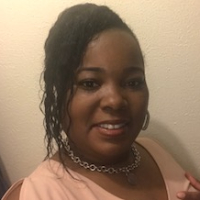
Louisiana · 10 yrs exp
Works with Stress, Anxiety / Trauma and abuse / Anger +9
Works by Client-Centered Therapy / Cognitive Behavioral Therapy (CBT)
View Profile
South Carolina · 8 yrs exp
Works with Stress, Anxiety / Relationship / Family +12
Works by Client-Centered Therapy / Cognitive Behavioral Therapy (CBT)
View Profile
Michigan · 13 yrs exp
Works with Stress, Anxiety / Addictions / Trauma and abuse +17
Works by Acceptance and Commitment Therapy (ACT) / Client-Centered Therapy
View Profile
Minnesota · 7 yrs exp
Works with Stress, Anxiety / LGBT / Trauma and abuse +10
Works by Client-Centered Therapy / Cognitive Behavioral Therapy (CBT)
View Profile
North Carolina · 20 yrs exp
Works with Stress, Anxiety / Addictions / LGBT +2
Works by Acceptance and Commitment Therapy (ACT) / Client-Centered Therapy
View Profile
Texas · 18 yrs exp
Works with Stress, Anxiety / Addictions / LGBT +15
Works by Attachment-Based Therapy / Client-Centered Therapy
View Profile
North Carolina · 20 yrs exp
Works with Stress, Anxiety / Parenting / Self esteem +16
Works by Acceptance and Commitment Therapy (ACT) / Client-Centered Therapy
View Profile
Arkansas · 25 yrs exp
Works with Stress, Anxiety / Family / Trauma and abuse +14
Works by Client-Centered Therapy / Cognitive Behavioral Therapy (CBT)
View Profile
Illinois · 5 yrs exp
Works with Stress, Anxiety / Addictions / Self esteem +2
View Profile
Vermont · 11 yrs exp
Works with Stress, Anxiety / Trauma and abuse / Self esteem +14
Works by Acceptance and Commitment Therapy (ACT) / Client-Centered Therapy
View Profile
Georgia · 20 yrs exp
Works with Stress, Anxiety / Addictions / Relationship +12
Works by Cognitive Behavioral Therapy (CBT) / Mindfulness Therapy
View ProfileIf you are wrestling with commitment issues you may notice a mix of thoughts and behaviors that make sustaining close relationships difficult. Commitment issues can include fear of making long-term promises, recurring doubts about a partner, a tendency to end relationships before they deepen, or pulling emotionally distant when intimacy increases. These patterns can affect romantic relationships, decisions about moving in together, marriage, co-parenting arrangements, or even long-term career and life choices where enduring attachment matters.
People with commitment challenges come from many backgrounds and may describe different underlying feelings - anxiety about losing independence, unresolved hurt from earlier relationships, worry about making the wrong choice, or difficulty trusting that closeness will be steady. You might find that you alternate between wanting closeness and feeling trapped, or that you unconsciously replicate familiar patterns from your family of origin. Recognizing these recurring dynamics is a useful first step, because it means you can begin to address the reactive habits and build new ways of relating that feel more manageable and intentional.
You might consider seeking support if you notice the same relational themes repeating across different partners or stages of life, or if decisions about long-term commitment cause disproportionate distress. Common indicators include chronically avoiding labels or plans, ending relationships preemptively when things get serious, feeling a persistent sense of doubt even when a partnership is otherwise healthy, or engaging in behaviors that create distance when a partner expresses attachment. You may also find that important milestones - moving in together, discussing finances, or planning for children - trigger intense anxiety or a sudden sense of withdrawal.
It is also common for people to experience somatic symptoms such as sleep disturbance or constant worry around commitment decisions, or to encounter conflict that escalates because one partner seeks certainty while the other feels pressured. If these patterns interfere with relationships, work, or emotional well-being, working with a counselor who understands commitment dynamics can give you tools to make clearer choices, build coping strategies for anxiety related to attachment, and practice communicating needs in ways that reduce reactive cycles.
In the United States this directory lists professionals who hold a state counseling license. Depending on the state, the title may appear as Licensed Professional Counselor - LPC, Licensed Professional Clinical Counselor - LPCC, or Licensed Clinical Professional Counselor - LCPC. These titles refer to the same counseling profession under different state naming conventions; in some states the clinical title exists alongside an LPC as a state's own designation and may reflect additional supervised practice requirements. If you live in Illinois, Maryland, or Montana you will most often see the LCPC title used, while in California, Ohio, Kentucky, and Minnesota the LPCC designation is commonly used.
Becoming licensed typically requires a master’s degree in counseling or a closely related field, a state-set period of supervised postgraduate clinical experience commonly running two to three years and totaling several thousand hours, and passage of a national examination. A state licensing board issues and renews the credential, so specific education, supervision, and exam requirements vary by state. Counselor training emphasizes a wellness and developmental orientation, focusing on how you are functioning and what you hope to achieve in your life rather than only on diagnostic labels. That orientation is often a reason people specifically choose a licensed professional counselor when they want help navigating relationship patterns and personal growth.
When you begin working with a licensed professional counselor for commitment issues, the first phase usually involves assessment and exploration. You and the counselor will review relationship history, attachment experiences, values around partnership, and the specific situations that trigger avoidance or anxiety. This early work helps identify recurring relational patterns and targets for change. Over time you will practice skills aimed at increasing awareness, reducing impulsive reactions, and improving communication with partners.
Counselors use a range of therapeutic approaches to address commitment concerns. Some of the clinicians you find may list cognitive behavioral therapy - CBT - among their approaches, which focuses on identifying and shifting unhelpful thinking and behavioral patterns. Others may list emotion-focused work or attachment-informed approaches that help you understand how early relational experiences shape current responses to closeness. Narrative and psychodynamic-informed approaches can be useful for exploring deeper storylines about self and relationships. For couples or partners, some counselors list modalities oriented to relationship work to help you practice new interactions together. Remember that the listings indicate what a counselor reports using among their approaches; they do not establish certification or a specific outcome.
Online counseling often mirrors in-person sessions in structure, with regular appointments, an initial intake to gather history, and ongoing work toward your goals. You can expect to discuss relationship patterns, practice communication techniques, and receive feedback from the counselor in a real-time conversation using video or phone. For some people online work makes it easier to access clinicians outside their immediate geography, enabling a better match for language, specialization, or cultural background. A counselor will typically outline logistical details such as session length, frequency, paperwork, fees, and how they manage notes and records. If you choose remote sessions, think about where you will take calls so you have a calm, undisturbed environment for the work.
When selecting someone to work with on commitment issues, focus on factors that relate to their qualifications and how well their focus aligns with your needs. Look for counselors who hold an LPC, LPCC, or LCPC and whose profiles list experience with relationship patterns, attachment, or commitment concerns. Consider their educational background, years of clinical experience, and whether they list approaches that resonate with you, such as cognitive behavioral strategies, emotion-focused methods, or couples-oriented work. Language abilities and cultural competence can be important if you need a counselor who understands specific cultural expectations about relationships.
It can help to read counselor bios carefully to learn whether they emphasize a developmental and wellness approach, since counselors are trained to focus on functioning and goals as well as symptom relief. Prepare questions for initial conversations about how they approach commitment issues, what a typical session looks like, and how you might measure progress. You do not need to prioritize one credential name over another - LPC, LPCC, and LCPC indicate the same counseling profession under different state naming systems - but you should confirm that the clinician is licensed in the state where you will receive services. Finally, trust your sense of fit; effective work on commitment concerns depends on finding someone you feel comfortable exploring sensitive topics with and practicing new relational skills alongside.
Working with a licensed professional counselor can help you unpack patterns that interfere with intimacy, learn practical ways to manage anxiety around commitment, and build the relational skills that support clearer, more intentional decisions. Whether you choose in-person or online sessions, focusing on credentials, approaches, and personal fit will help you connect with a counselor whose experience suits your goals.
Alabama
238 therapists
Alaska
20 therapists
Arizona
196 therapists
Arkansas
116 therapists
California
174 therapists
Colorado
346 therapists
Connecticut
79 therapists
Delaware
4 therapists
District of Columbia
26 therapists
Florida
152 therapists
Georgia
623 therapists
Hawaii
5 therapists
Idaho
90 therapists
Illinois
383 therapists
Indiana
22 therapists
Iowa
11 therapists
Kansas
41 therapists
Kentucky
128 therapists
Louisiana
310 therapists
Maine
42 therapists
Maryland
174 therapists
Massachusetts
5 therapists
Michigan
318 therapists
Minnesota
117 therapists
Mississippi
151 therapists
Missouri
388 therapists
Montana
78 therapists
Nebraska
12 therapists
Nevada
36 therapists
New Hampshire
7 therapists
New Jersey
261 therapists
New Mexico
61 therapists
New York
32 therapists
North Carolina
89 therapists
North Dakota
12 therapists
Ohio
281 therapists
Oklahoma
278 therapists
Oregon
89 therapists
Pennsylvania
523 therapists
Rhode Island
4 therapists
South Carolina
281 therapists
South Dakota
28 therapists
Tennessee
143 therapists
Texas
1899 therapists
Utah
19 therapists
Vermont
8 therapists
Virginia
287 therapists
Washington
19 therapists
West Virginia
46 therapists
Wisconsin
210 therapists
Wyoming
45 therapists