
Rick Fulton, LPC
Texas · 30 yrs exp
Works with Stress, Anxiety / Addictions / Anger +14
Works by Cognitive Behavioral Therapy (CBT) / Mindfulness Therapy
View ProfileThe therapist listings are provided by BetterHelp and we will earn a commission if you use our link - at no cost to you.
This directory lists licensed professional counselors who identify bipolar as a focus, including counselors who hold the LPC, LPCC, or LCPC title depending on state. Browse the profiles below to review focus areas, approaches, languages and experience.
Texas · 30 yrs exp
Works with Stress, Anxiety / Addictions / Anger +14
Works by Cognitive Behavioral Therapy (CBT) / Mindfulness Therapy
View Profile
Texas · 20 yrs exp
Works with Stress, Anxiety / LGBT / Relationship +17
Works by Acceptance and Commitment Therapy (ACT) / Cognitive Behavioral Therapy (CBT)
View Profile
Georgia · 20 yrs exp
Works with Stress, Anxiety / Addictions / Relationship +13
Works by Client-Centered Therapy / Cognitive Behavioral Therapy (CBT)
View Profile
Missouri · 23 yrs exp
Works with Stress, Anxiety / Addictions / Trauma and abuse +11
Works by Client-Centered Therapy / Cognitive Behavioral Therapy (CBT)
View Profile
Oregon · 17 yrs exp
Works with Stress, Anxiety / Anger / Self esteem +13
Works by Client-Centered Therapy / Cognitive Behavioral Therapy (CBT)
View Profile
Georgia · 19 yrs exp
Works with Stress, Anxiety / Relationship / Family +8
View Profile
Maine · 12 yrs exp
Works with Stress, Anxiety / Self esteem / Depression +17
Works by Client-Centered Therapy / Cognitive Behavioral Therapy (CBT)
View Profile
Illinois · 32 yrs exp
Works with Stress, Anxiety / Addictions / Relationship +10
View Profile
Pennsylvania · 15 yrs exp
Works with Stress, Anxiety / Addictions / Trauma and abuse +14
Works by Cognitive Behavioral Therapy (CBT) / Dialectical Behavior Therapy (DBT)
View Profile
Texas · 11 yrs exp
Works with Stress, Anxiety / Bipolar / Depression +3
Works by Client-Centered Therapy / Cognitive Behavioral Therapy (CBT)
View Profile
Colorado · 15 yrs exp
Works with Stress, Anxiety / Relationship / Intimacy-related issues +11
Works by Acceptance and Commitment Therapy (ACT) / Attachment-Based Therapy
View Profile
Louisiana · 7 yrs exp
Works with Stress, Anxiety / Family / Trauma and abuse +16
Works by Acceptance and Commitment Therapy (ACT) / Attachment-Based Therapy
View Profile
New Jersey · 5 yrs exp
Works with Stress, Anxiety / Relationship / Family +13
Works by Client-Centered Therapy / Cognitive Behavioral Therapy (CBT)
View Profile
Oklahoma · 7 yrs exp
Works with Stress, Anxiety / Relationship / Grief +9
Works by Client-Centered Therapy / Cognitive Behavioral Therapy (CBT)
View Profile
Maryland · 6 yrs exp
Works with Stress, Anxiety / Trauma and abuse / Self esteem +11
Works by Attachment-Based Therapy / Client-Centered Therapy
View Profile
Maryland · 10 yrs exp
Works with Stress, Anxiety / Relationship / Family +13
Works by Client-Centered Therapy / Cognitive Behavioral Therapy (CBT)
View Profile
Pennsylvania · 12 yrs exp
Works with Stress, Anxiety / Relationship / Self esteem +12
Works by Client-Centered Therapy / Cognitive Behavioral Therapy (CBT)
View Profile
Arizona · 6 yrs exp
Works with Stress, Anxiety / Relationship / Family +12
Works by Client-Centered Therapy / Cognitive Behavioral Therapy (CBT)
View Profile
Virginia · 9 yrs exp
Works with Stress, Anxiety / Relationship / Self esteem +8
Works by Client-Centered Therapy / Cognitive Behavioral Therapy (CBT)
View Profile
Missouri · 7 yrs exp
Works with Stress, Anxiety / Addictions / Relationship +14
Works by Client-Centered Therapy / Cognitive Behavioral Therapy (CBT)
View Profile
New York · 9 yrs exp
Works with Stress, Anxiety / Anger / Self esteem +14
Works by Acceptance and Commitment Therapy (ACT) / Client-Centered Therapy
View Profile
Texas · 10 yrs exp
Works with Stress, Anxiety / Relationship / Family +15
Works by Acceptance and Commitment Therapy (ACT) / Attachment-Based Therapy
View Profile
Ohio · 33 yrs exp
Works with Stress, Anxiety / Family / Trauma and abuse +13
Works by Client-Centered Therapy / Cognitive Behavioral Therapy (CBT)
View Profile
Texas · 10 yrs exp
Works with Relationship / Family / Anger +13
Works by Client-Centered Therapy / Cognitive Behavioral Therapy (CBT)
View Profile
Missouri · 11 yrs exp
Works with Stress, Anxiety / Intimacy-related issues / Anger +8
Works by Cognitive Behavioral Therapy (CBT) / Solution-Focused Therapy
View Profile
Oklahoma · 30 yrs exp
Works with Stress, Anxiety / Grief / Intimacy-related issues +9
Works by Client-Centered Therapy / Cognitive Behavioral Therapy (CBT)
View Profile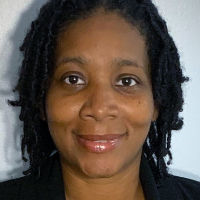
Florida · 13 yrs exp
Works with Stress, Anxiety / Anger / Depression +14
Works by Cognitive Behavioral Therapy (CBT) / Dialectical Behavior Therapy (DBT)
View Profile
Colorado · 30 yrs exp
Works with Stress, Anxiety / Relationship / Trauma and abuse +16
Works by Client-Centered Therapy / Eye Movement Desensitization and Reprocessing (EMDR)
View Profile
Louisiana · 22 yrs exp
Works with Stress, Anxiety / Relationship / Family +12
Works by Client-Centered Therapy / Cognitive Behavioral Therapy (CBT)
View Profile
Wisconsin · 23 yrs exp
Works with Stress, Anxiety / Trauma and abuse / Eating +14
Works by Acceptance and Commitment Therapy (ACT) / Client-Centered Therapy
View Profile
Colorado · 11 yrs exp
Works with Stress, Anxiety / LGBT / Trauma and abuse +16
Works by Acceptance and Commitment Therapy (ACT) / Client-Centered Therapy
View Profile
North Carolina · 20 yrs exp
Works with Stress, Anxiety / Relationship / Family +10
View Profile
North Carolina · 18 yrs exp
Works with Stress, Anxiety / Addictions / Trauma and abuse +14
Works by Client-Centered Therapy / Cognitive Behavioral Therapy (CBT)
View Profile
Florida · 30 yrs exp
Works with Stress, Anxiety / Relationship / Trauma and abuse +15
Works by Acceptance and Commitment Therapy (ACT) / Client-Centered Therapy
View Profile
Montana · 39 yrs exp
Works with Stress, Anxiety / Parenting / Self esteem +13
Works by Cognitive Behavioral Therapy (CBT) / Motivational Interviewing
View Profile
Louisiana · 10 yrs exp
Works with Stress, Anxiety / Grief / Anger +9
Works by Client-Centered Therapy / Cognitive Behavioral Therapy (CBT)
View Profile
Wisconsin · 26 yrs exp
Works with Stress, Anxiety / Self esteem / Career +12
Works by Acceptance and Commitment Therapy (ACT) / Attachment-Based Therapy
View Profile
Missouri · 14 yrs exp
Works with Stress, Anxiety / Self esteem / Career +14
Works by Acceptance and Commitment Therapy (ACT) / Attachment-Based Therapy
View Profile
Texas · 22 yrs exp
Works with Stress, Anxiety / Relationship / Trauma and abuse +17
Works by Acceptance and Commitment Therapy (ACT) / Attachment-Based Therapy
View Profile
Montana · 16 yrs exp
Works with Stress, Anxiety / Relationship / Self esteem +12
Works by Client-Centered Therapy / Cognitive Behavioral Therapy (CBT)
View Profile
Georgia · 19 yrs exp
Works with Stress, Anxiety / Addictions / Trauma and abuse +12
View Profile
Arizona · 30 yrs exp
Works with Stress, Anxiety / Trauma and abuse / Self esteem +12
Works by Client-Centered Therapy / Cognitive Behavioral Therapy (CBT)
View Profile
Texas · 25 yrs exp
Works with Stress, Anxiety / Family / Intimacy-related issues +16
Works by Attachment-Based Therapy / Client-Centered Therapy
View Profile
Texas · 10 yrs exp · 2 languages
Works with Stress, Anxiety / Relationship / Anger +17
Works by Cognitive Behavioral Therapy (CBT) / Solution-Focused Therapy
View Profile
Pennsylvania · 12 yrs exp
Works with Stress, Anxiety / LGBT / Relationship +9
View Profile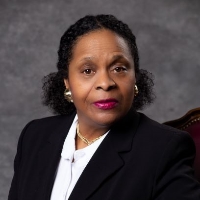
Missouri · 20 yrs exp
Works with Stress, Anxiety / Addictions / Trauma and abuse +15
Works by Client-Centered Therapy / Cognitive Behavioral Therapy (CBT)
View Profile
Texas · 18 yrs exp
Works with Stress, Anxiety / Addictions / Trauma and abuse +10
Works by Client-Centered Therapy / Cognitive Behavioral Therapy (CBT)
View Profile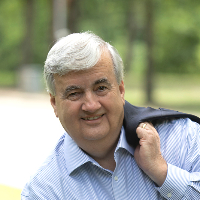
Texas · 23 yrs exp
Works with Stress, Anxiety / Relationship / Self esteem +12
Works by Client-Centered Therapy / Cognitive Behavioral Therapy (CBT)
View ProfileBipolar is a mood condition that typically involves shifts between periods of elevated mood and energy and periods of low mood and decreased energy. People describe these shifts in different ways - some experience clear episodes of mania or hypomania with increased activity, reduced need for sleep, and racing thoughts, while others notice prolonged periods of low mood or depressive symptoms that interfere with daily routines. Because the course and intensity of symptoms vary, you may see changes in work performance, relationships, concentration, and how you manage everyday responsibilities. Symptoms can come and go, and many people learn to track patterns over time so they can notice early signs of mood shifts.
Licensed professional counselors bring a counseling-oriented perspective to working with bipolar. Counselor training emphasizes functioning and wellness - focusing on how you are managing day to day, what goals you want to pursue, and which skills might support better stability and quality of life. That developmental and wellness orientation means a counselor will generally ask about your routines, relationships, stressors, and strengths alongside any mood symptoms, allowing treatment goals to connect to your daily experience and future priorities.
You might consider working with a licensed professional counselor if mood swings are affecting your work, family life, sleep, concentration, or sense of wellbeing. Signs that counseling could be helpful include repeated difficulty stabilizing daily routines, trouble maintaining relationships during mood shifts, persistent worry about mood changes, or a sense that you could use tools to manage distressing symptoms. Counseling can also be helpful when you want to build problem-solving skills, improve communication, address substance use that complicates mood, or plan for life changes while taking mood patterns into account.
Because licensed professional counselors in the United States hold state-issued credentials, you can expect that they completed a master’s degree in counseling, a period of supervised postgraduate clinical experience commonly lasting two to three years with several thousand hours, and a national examination. States issue and renew these licenses through state counseling boards, and titles vary by jurisdiction. The same counseling profession goes by LPC in most states, LPCC in states such as Ohio, California, Kentucky and Minnesota, and LCPC in states such as Illinois, Maryland and Montana. In some states those names reflect slightly different statutory pathways or additional supervised practice - when the distinction matters it is a reflection of state naming and regulation rather than a simple ranking.
In early sessions a counselor will typically gather a thorough history of your mood patterns, medical and psychiatric care, sleep and activity patterns, relationships, and current stressors. You can expect a focus on practical functioning - how mood variations show up in your everyday life and what changes you want to make. Sessions commonly include collaborative goal setting where you and the counselor identify manageable steps, such as stabilizing sleep, creating routines, or developing communication strategies with loved ones or employers.
Counseling often combines reflection about thoughts and feelings with behavior-focused strategies that you can try between sessions. For example, counselors may help you develop mood-tracking habits, plan for early warning signs, and create behavioral strategies that reduce risk during high or low mood phases. If you are taking medication, a counselor will often work alongside your prescribing clinician to coordinate focus areas; counselors do not prescribe medication but they can support medication adherence discussions and help you notice how side effects or benefits affect daily life. Crisis planning and safety planning are also common parts of initial work so that you and your counselor have agreed steps to take if symptoms escalate.
Counselors who list various approaches often combine skills-based methods with relational and problem-solving work to support stability and functioning. Cognitive-behavioral strategies are frequently used to identify thought patterns that influence mood and to practice behavioral experiments that promote balanced activity. Interpersonal and social rhythm work focuses on stabilizing daily routines - sleep, meals, activity and social contact - because consistent rhythms can reduce mood volatility. Some counselors list dialectical-behavioral techniques among their approaches to help with emotional regulation and distress tolerance during intense mood states.
It is important to remember that the directory records only that a counselor lists an approach; listing does not equal certification or a specified amount of training. When you review profiles you will find counselors who describe mood tracking, relapse prevention planning, family and relationship work, and collaboration with medical providers among their focus areas. Because bipolar often intersects with other life areas, counselors may also emphasize vocational planning, substance use harm reduction, or trauma-informed care depending on your needs. The counselor’s role centers on helping you build skills and strategies that support consistent functioning and life goals rather than on any single theoretical label.
Online counseling can make it easier to connect with a licensed professional counselor who lists bipolar as a focus even if local options are limited. Video sessions replicate many of the elements of in-person work - conversation, skills practice, mood chart review, and collaborative planning - while phone or messaging options can supplement face-to-face contact between sessions. If you plan to use online sessions, consider where you will be during calls - a quiet, personal setting helps you get the most from each appointment. Counselors often discuss technology and communication preferences early so that remote work has clear boundaries and reliable ways to reach help if needed.
Because medication is a central part of care for many people with bipolar, you may want a counselor who communicates easily with psychiatrists, primary care clinicians, or psychiatric nurse practitioners when coordination is needed. Ask about how a counselor typically collaborates with prescribers and how communication will be managed. You will also want to consider practical fit factors such as the counselor’s experience with mood conditions, years of practice, languages spoken, and the age groups they list as a focus. Reading profile descriptions for stated areas of focus and approaches can help you identify counselors whose emphases match your needs.
When you review profiles remember that states use different license titles. LPC, LPCC and LCPC represent the licensed professional counseling profession across various states, and in some jurisdictions one title may indicate a different regulatory path or level of supervised practice. The license requires a master’s degree in counseling, comprehensive postgraduate supervision commonly spanning two to three years and thousands of hours, and passing a national exam. State counseling boards issue and renew licenses and define the exact requirements where you live, so the title you see on a profile reflects state regulation rather than a therapy method.
Choosing a counselor is a personal decision and you may prioritize different factors at different times. Some people look for someone who lists specific approaches that appeal to them, others prefer counselors who emphasize coordination with medical teams, and some choose based on language or cultural experience. Reading multiple profiles and noting what each counselor highlights about their focus, experience, and ways of working will give you a clearer sense of fit. A counselor’s description of focus areas, population experience, and listed approaches can guide your next steps in finding a professional whose style and expertise align with the way you want to work on mood stability and life goals.
Alabama
238 therapists
Alaska
20 therapists
Arizona
196 therapists
Arkansas
116 therapists
California
174 therapists
Colorado
346 therapists
Connecticut
79 therapists
Delaware
4 therapists
District of Columbia
26 therapists
Florida
152 therapists
Georgia
623 therapists
Hawaii
5 therapists
Idaho
90 therapists
Illinois
383 therapists
Indiana
22 therapists
Iowa
11 therapists
Kansas
41 therapists
Kentucky
128 therapists
Louisiana
310 therapists
Maine
42 therapists
Maryland
174 therapists
Massachusetts
5 therapists
Michigan
318 therapists
Minnesota
117 therapists
Mississippi
151 therapists
Missouri
388 therapists
Montana
78 therapists
Nebraska
12 therapists
Nevada
36 therapists
New Hampshire
7 therapists
New Jersey
261 therapists
New Mexico
61 therapists
New York
32 therapists
North Carolina
89 therapists
North Dakota
12 therapists
Ohio
281 therapists
Oklahoma
278 therapists
Oregon
89 therapists
Pennsylvania
523 therapists
Rhode Island
4 therapists
South Carolina
281 therapists
South Dakota
28 therapists
Tennessee
143 therapists
Texas
1899 therapists
Utah
19 therapists
Vermont
8 therapists
Virginia
287 therapists
Washington
19 therapists
West Virginia
46 therapists
Wisconsin
210 therapists
Wyoming
45 therapists