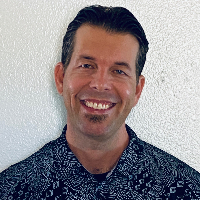
About Sean
Sean Gardner is a licensed professional counselor and licensed mental health counselor who brings ten years of clinical experience to his work. He focuses on helping people reduce anxiety, manage depression, and cope with major life changes. Sean aims to make therapy feel straightforward and usable for busy lives.
He draws on practical methods that help people change unhelpful thoughts and build healthier habits. Sessions are conversational and goal-focused, with tools to manage stress, anger, addiction concerns, and relationship tension.
Background and approach
He also works with people facing trauma, grief, and issues around identity and intimacy. Sean combines evidence-based techniques with a client-centered stance. That means he listens first, helps people clarify what matters to them, and then picks exercises that fit their situation.
He uses approaches such as cognitive behavioral therapy and mindfulness-based work to teach coping skills you can use between sessions. His background includes work with inpatient adolescent settings and outreach for veterans experiencing homelessness. That experience informs a practical, down-to-earth style and comfort discussing difficult life events.
Sean has provided online psychotherapy for several years and understands how to adapt strategies for remote sessions. People looking for clear steps, compassionate listening, and skills to manage daily struggles may find his approach helpful. He offers sessions in English and is based in Arizona while working with clients in varied locations.
How therapy approaches translate to online care
Acceptance and Commitment Therapy helps people notice unhelpful thoughts and choose actions that match their values. It works well for anxiety, depression, and coping with life changes by focusing on what matters and taking small, values-driven steps. Cognitive Behavioral Therapy looks at how thoughts, feelings, and behaviors interact and teaches specific skills to challenge negative thinking and build helpful routines. It is often used for anxiety, mood concerns, and improving sleep and daily functioning.Finding the right approach is a collaborative process. The therapist will listen to goals and preferences, explain different methods, and then try strategies together to see what fits best. Adjustments are made over time so the work stays useful and realistic for each person.
Online therapy offers several practical benefits. Video calls let people work face-to-face from different locations and support exercises that need visual guidance. Phone sessions require less bandwidth and can be easier to fit into a work break. Live chat and text-based messaging make short check-ins or brief coping support possible between longer sessions. These options give flexibility for scheduling and for how someone prefers to communicate.
Questions people ask
What concerns does Sean commonly address?
What is his overall therapeutic style?
What relevant experience does he bring?
What credentials and region are listed?
Which languages and international arrangements are supported?
What session formats are available?
How is cost handled for sessions?
How do I begin working with him?
What this counselor works with
Most often
- Stress, Anxiety
- Relationship issues
- Anger management
Also listed
- Addictions
- ADHD
- Autism and Asperger Syndrome
- Bipolar disorder
- Body image
- Cancer
- Career difficulties
- Chronic pain, illness, and disability
- Codependency
- Communication problems
- Compassion fatigue
- Control issues
- Coping with life changes
- Depression
- Divorce and separation
- Eating disorders
- Emptiness
- Family conflicts
- Family problems
- First responder issues
- Forgiveness
- Grief
- Guilt and shame
- Infidelity
- Intimacy-related issues
- Isolation / loneliness
- Jealousy
- LGBT
- Life purpose
- Men's issues
- Midlife crisis
- Mood disorders
- Multicultural concerns
- Narcissism
- Obsessions, compulsions, and OCD
- Panic disorder and panic attacks
- Parenting issues
- Phobias
- Post-traumatic stress
- Prejudice and discrimination
- Seasonal Affective Disorder (SAD)
- Self esteem
- Self-love
- Sexual dysfunction
- Sexuality
- Sleeping disorders
- Social anxiety and phobia
- Trauma and abuse
- Veteran and Armed Forces Issues
- Workplace issues
- Young adult issues
Therapeutic approaches
- Experience
- 10 years
- Licensed
- Hawaii, Arizona
- Languages
- English