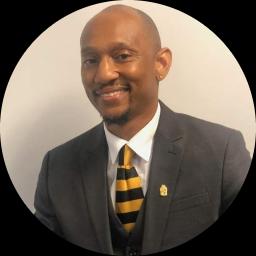
About Robert
Robert Johnson III is a Licensed Professional Counselor with two decades of experience helping people navigate stress, anxiety, addiction, relationship strain, and family conflict. He practices from North Carolina and speaks English. He approaches work with curiosity and respect for each person's story.
Robert centers sessions on the client's strengths and lived experience. He treats clients as the experts on their own lives and helps them build on what already works.
Background and approach
He aims for clear, practical steps that can be used between sessions. Over 20 years he has worked with people coping with depression, substance use concerns, and the fallout of family-of-origin problems. He also addresses issues like abandonment, fatherhood challenges, blended family tensions, fertility stress, and first responder strain.
He draws on evidence-based therapeutic techniques to guide these conversations. Sessions are aimed at helping people manage overwhelming feelings, reduce harmful patterns, and improve relationships. Robert offers straightforward tools for coping and decision-making.
He focuses on what changes are realistic for each person. For practical matters, Robert provides video calls, phone sessions, live chat, and text-based messaging. He is licensed as an LPC and as a Licensed Clinical Mental Health Counselor, and he works with people in North Carolina.
He emphasizes collaboration and steady progress over time.
Evidence-based approaches and online care
Robert uses evidence-based therapeutic techniques that focus on clear skills and real change. One common approach involves teaching practical coping skills to manage anxiety and stress, helping people recognize triggers and practice short exercises that reduce overwhelm. Another approach targets addictive behaviors with step-by-step strategies to interrupt unhelpful patterns and build healthier routines and supports.Choosing the right way to work is a team effort. The therapist will talk with each person about their goals, needs, and preferences, and adjust methods as those needs change. Clients are invited to give feedback so the approach stays useful and relevant.
Online therapy offers flexibility for busy lives. Video calls let people work face-to-face from different locations, phone sessions can be a good option when bandwidth is low, live chat supports quicker check-ins, and text-based messaging makes it easier to message between sessions. These options help people fit therapy into work, caregiving, or irregular schedules while keeping continuity of care with a licensed professional.
Questions people ask
What concerns does he help with?
What is his therapy style like?
How much experience does he have?
What credentials and region are associated with this therapist?
Which languages are supported?
What session formats are available?
How does cost and billing work?
How do I begin therapy with him?
What this counselor works with
Most often
- Stress, Anxiety
- Addictions
- Relationship issues
Also listed
- Abandonment
- Adoption and foster care
- Blended family issues
- Commitment issues
- Control issues
- Depression
- Disruptive Mood Dysregulation Disorder (DMDD)
- Drug and alcohol addiction
- Emptiness
- Family conflicts
- Family of origin issues
- Family problems
- Fatherhood issues
- Fertility issues
- First responder issues
- Forgiveness
- Guilt and shame
- Hospice and end-of-life counseling
- Infidelity
- Isolation / loneliness
- Jealousy
- Life purpose
- Men's issues
- Midlife crisis
- Money and financial issues
- Mood disorders
- Multicultural concerns
- Narcissism
- Obsessions, compulsions, and OCD
- Panic disorder and panic attacks
- Paranoia
- Phobias
- Post-traumatic stress
- Postpartum depression
- Pregnancy and childbirth
- Seasonal Affective Disorder (SAD)
- Self-love
- Sexual dysfunction
- Social anxiety and phobia
- Veteran and Armed Forces Issues
- Workplace issues
- Young adult issues
- Experience
- 20 years
- Licensed
- North Carolina, South Carolina
- Languages
- English