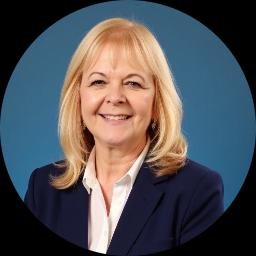
About Marla
Marla Carman uses a mix of practical therapies to help people manage anxiety, stress, relationship strain, and trauma. She brings 21 years of clinical experience and holds the credentials LMHC and LPC. Marla practices in Arizona and speaks English.
Her approach centers on clear, doable steps. She draws from cognitive behavioral therapy to spot thinking patterns that worsen mood. Acceptance and Commitment Therapy helps people notice difficult feelings without getting stuck.
Background and approach
Eye Movement Desensitization and Reprocessing (EMDR) can be used for trauma work when appropriate. Marla helps people tackle a wide range of concerns. These include depression, grief, addictions, intimacy-related issues, eating and sleeping problems, anger, and self-esteem.
She also supports those dealing with family-of-origin issues, caregiver stress, first responder stress, and end-of-life or hospice concerns. Sessions focus on concrete skills and real-life goals. Clients learn techniques to manage symptoms, improve communication, and build routines that support recovery.
Work often includes short-term strategies and longer-term personal growth, depending on each person’s needs. Getting started usually means choosing a session format that fits your life. Marla offers video calls, phone sessions, live chat, and text messaging.
She works collaboratively to shape a plan that matches your schedule and priorities.
Online approaches that match your needs
Marla uses cognitive behavioral therapy to help people identify unhelpful thoughts and build practical skills to change behavior and mood. CBT is often useful for anxiety, depression, sleeping issues, and work or relationship stress.She also works with Acceptance and Commitment Therapy, which focuses on accepting difficult feelings while taking actions that align with personal values. ACT can help with ongoing worry, life transitions, and valuing what matters most.
EMDR is available for clients dealing with trauma and abuse when that approach fits the situation; it involves targeted processing to reduce the intensity of traumatic memories.
Finding the right approach is a collaborative process. The therapist will talk with you about your goals, symptoms, and preferences and then suggest methods to try. Plans are regularly reviewed and adjusted so treatment stays focused on what helps you most.
Online sessions offer practical flexibility. Video calls let you work face-to-face when visual cues matter. Phone sessions or live chat can be easier when bandwidth is limited or for a shorter check-in. Text-based messaging supports brief reflections, ongoing check-ins, and keeping momentum between sessions. These options make it simpler to fit therapy into a busy life.
Questions people ask
What kinds of concerns does she address?
What is her therapeutic style like?
How much clinical experience does she have?
What credentials and where is she licensed?
Which languages are supported and can she work with international clients?
What session formats are available?
How does pricing work?
What are the steps to begin therapy?
What this counselor works with
Most often
- Stress, Anxiety
- Relationship issues
- Trauma and abuse
Also listed
- Abandonment
- Addictions
- Aging and geriatric issues
- Anger management
- BDSM, kink, and alternative sex culture
- Bipolar disorder
- Body image
- Career difficulties
- Caregiver issues and stress
- Codependency
- Communication problems
- Compassion fatigue
- Coping with life changes
- Dependent personality
- Depression
- Divorce and separation
- Eating disorders
- Emptiness
- Family conflicts
- Family of origin issues
- Fertility issues
- First responder issues
- Grief
- Guilt and shame
- Hospice and end-of-life counseling
- Intimacy-related issues
- Isolation / loneliness
- Life purpose
- Midlife crisis
- Mood disorders
- Multicultural concerns
- Panic disorder and panic attacks
- Parenting issues
- Polyamory / non-monogamous relationships
- Post-traumatic stress
- Postpartum depression
- Pregnancy and childbirth
- Seasonal Affective Disorder (SAD)
- Self esteem
- Self-love
- Sexual assault and abuse
- Sleeping disorders
- Social anxiety and phobia
- Traumatic brain injury
- Veteran and Armed Forces Issues
- Women's issues
- Workplace issues
Therapeutic approaches
- Experience
- 21 years
- Licensed
- Arizona, Florida, Washington
- Languages
- English