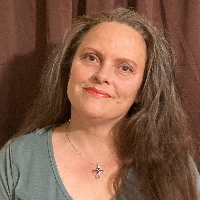
About Cynthia
Cynthia Mickel is a Licensed Professional Counselor with two decades of experience helping people cope with stress, anxiety, addiction, grief, and trauma. She works from a client-centered stance and aims to meet each person where they are. Cynthia is approachable and calm, and she says many people find it easy to talk with her.
Cynthia has spent twenty years in the behavioral health field, including roles supervising clinical work in substance use treatment and leading adolescent programs.
Background and approach
That background gives her practical experience with depression, bipolar disorder, PTSD, self-harm, and substance-related concerns. She also brings experience working with intimacy, identity, parenting, and life-change issues. Her style is grounded and straightforward.
Some people come wanting an ear and guidance. Others want to dig into what started their struggle. Cynthia supports both approaches and adapts to what each person needs in the moment.
Sessions often include short experiments or exercises to try between meetings. These are practical steps to practice skills in day-to-day life and see what changes. Cynthia stresses that clients already have resources inside themselves and that therapy is a collaborative journey of discovery.
She practices remotely from Texas and offers a flexible schedule. Sessions are described as personable and nonjudgmental, with a focus on helping people build coping skills and move toward their goals.
How Cynthia’s Approaches Work Online
Cynthia uses Acceptance and Commitment Therapy and Cognitive Behavioral Therapy in straightforward ways. ACT helps people notice painful thoughts and choose actions that match their values, which can help with anxiety, grief, and feeling stuck. CBT focuses on changing unhelpful thinking patterns and building coping skills, useful for anxiety, depression, and mood regulation.Finding the right approach is part of the work together. Cynthia will talk with each person about their goals and preferences and suggest methods to try. The plan is collaborative - she adjusts as you learn what helps and what doesn’t.
Online sessions make it easier to fit therapy into busy lives. Video calls let you see and hear one another for fuller conversation. Phone sessions use less bandwidth and can be a quicker check-in. Live chat and text-based messaging work well for brief check-ins, sharing thoughts between sessions, or when typing feels easier than speaking. These options aim to offer flexibility so people can engage in the way that best supports their progress.
Questions people ask
What concerns does this therapist help with?
How would you describe her therapeutic style?
What background does she bring to therapy?
What credentials and location are listed?
Can sessions be conducted in languages other than English?
What session formats are available?
How are costs handled for sessions?
How do I begin working with Cynthia?
What this counselor works with
Also listed
- Abandonment
- Anger management
- Attachment issues
- Bipolar disorder
- Blended family issues
- Body image
- Co-morbidity
- Codependency
- Commitment issues
- Communication problems
- Control issues
- Coping with life changes
- Coping with natural or human-caused disaster
- Dependent personality
- Depression
- Disruptive Mood Dysregulation Disorder (DMDD)
- Domestic violence
- Drug and alcohol addiction
- Emptiness
- Family of origin issues
- Family problems
- Forgiveness
- Grief
- Guilt and shame
- Impulsivity
- Intimacy-related issues
- Isolation / loneliness
- LGBT
- Life purpose
- Mood disorders
- Multicultural concerns
- Obsessions, compulsions, and OCD
- Panic disorder and panic attacks
- Parenting issues
- Personality disorders
- Phobias
- Post-traumatic stress
- Prejudice and discrimination
- Process addiction (porn, exercise, gambling)
- Self esteem
- Self-harm
- Self-love
- Sexual assault and abuse
- Social anxiety and phobia
- Women's issues
- Young adult issues
Therapeutic approaches
- Experience
- 20 years
- Licensed
- Texas, Oregon, Washington, Arizona
- Languages
- English