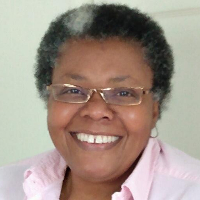
About Cherie
Cherie Taylor is a licensed professional counselor who works with people to untangle stress, anxiety, depression, and struggles with self-worth. She offers a straightforward, calm presence and practical steps people can use between sessions. Cherie uses a mix of approaches to match what each person needs.
She often draws on cognitive behavioral techniques to change unhelpful thinking and acceptance and commitment strategies to help people live by their values. Attachment-based ideas and client-centered listening shape how she builds trust and safety in conversations.
Background and approach
Her practice includes support for addiction concerns, bipolar disorder, grief, trauma and abuse, and intimacy-related issues. She also helps with workplace strain, career crossroads, and the emotional toll of caregiving and compassion fatigue. Cherie pays attention to how family history and attachment patterns affect current relationships.
Cherie has nine years of experience working with diverse life challenges. She works with people who identify as LGBT and tailors care to the concerns they bring. Sessions focus on clear goals, coping skills, and small changes that add up over time.
People meet with Cherie for real-world tools and steady support. The work is collaborative: she listens, offers practical techniques, and checks in about what’s helpful. Her office is based in Virginia and she provides a mix of session formats to fit different schedules.
How her approaches work in online therapy
Acceptance and Commitment Therapy helps people notice and accept difficult thoughts and feelings while choosing actions that match what matters to them; it’s useful for anxiety, depression, and life transitions. Cognitive Behavioral Therapy focuses on identifying and changing unhelpful thinking and behavior patterns, which can reduce symptoms of anxiety, depression, and stress. Attachment-Based Therapy looks at how early relationship patterns influence current reactions and connections, and it can help with intimacy, relationship difficulties, and healing from past hurts. Choosing the right approach is a collaborative process. Cherie will talk with each person about goals, preferences, and what feels most useful, and then tailor techniques from these methods to fit the work they want to do together. Online options include video calls, phone sessions, live chat, and text-based messaging. Video is helpful for a fuller conversation when time allows. Phone sessions can be easier when bandwidth is limited or a shorter check-in is needed. Live chat and text messaging offer flexibility for brief updates, coping check-ins, or people who prefer writing over speaking. These formats make it easier to fit therapy into busy lives while keeping the work focused and goal-oriented.Questions people ask
What concerns does Cherie commonly help with?
What is her therapeutic style like?
How much experience does she have?
Where is she licensed and based?
Which languages are sessions offered in?
What session formats are available?
How are fees and payment handled?
How does someone begin working with her?
What this counselor works with
Most often
Also listed
- Addictions
- Aging and geriatric issues
- Anger management
- Attachment issues
- Bipolar disorder
- Career difficulties
- Caregiver issues and stress
- Co-morbidity
- Codependency
- Communication problems
- Compassion fatigue
- Control issues
- Coping with life changes
- Coping with natural or human-caused disaster
- Dependent personality
- Depression
- Divorce and separation
- Drug and alcohol addiction
- Emptiness
- Family conflicts
- Family of origin issues
- Family problems
- First responder issues
- Forgiveness
- Gender dysphoria
- Grief
- Guilt and shame
- Impulsivity
- Infidelity
- Intimacy-related issues
- Isolation / loneliness
- Jealousy
- Life purpose
- Midlife crisis
- Money and financial issues
- Mood disorders
- Multicultural concerns
- Obsessions, compulsions, and OCD
- Panic disorder and panic attacks
- Personality disorders
- Polyamory / non-monogamous relationships
- Post-traumatic stress
- Postpartum depression
- Prejudice and discrimination
- Process addiction (porn, exercise, gambling)
- Relationship issues
- Self-harm
- Self-love
- Sexual assault and abuse
- Sexuality
- Smoking / vaping cessation
- Social anxiety and phobia
- Trauma and abuse
- Trichotillomania
- Women's issues
- Workplace issues
- Young adult issues
Therapeutic approaches
- Experience
- 9 years
- Licensed
- Virginia
- Languages
- English