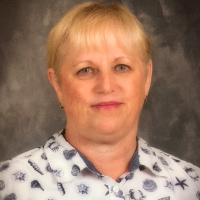
About Christina
Christina Teel-Gonzales helps people who are feeling overwhelmed by stress, anxiety, or big life changes. She works with adults worried about career decisions, relationships, parenting, self-esteem, or living as LGBT. Christina explains things in plain language and focuses on practical steps clients can use right away.
Christina is a Licensed Professional Counselor - LPC - with 28 years of experience. She holds a master’s degree in Counseling and Guidance from Texas State University and a bachelor’s in Human Resource Management from the University of Texas.
Background and approach
She provides services from Texas and meets with people virtually. In sessions she uses straightforward methods that focus on what is happening now. She helps clients spot unhelpful thoughts, test new ways of coping, and set small goals that fit their daily life.
Conversations are geared toward making changes that feel realistic and manageable. Christina also addresses concerns like abandonment, caregiver stress, grief, immigration-related strain, and challenges tied to illness or end-of-life care. She can help when impulsivity, commitment worries, jealousy, or issues from family of origin come up.
Her approach blends listening, problem solving, and short-term strategies so clients can start to feel better faster. She welcomes international clients and offers video calls, phone sessions, live chat, and text-based messaging to fit different schedules and needs.
How her approaches translate to online therapy
Client-Centered Therapy centers conversations on the client's needs and priorities. The therapist listens carefully and reflects what matters most so clients feel heard and can choose next steps that make sense for them.Cognitive Behavioral Therapy, or CBT, focuses on the link between thoughts, feelings, and actions. It helps people notice patterns that increase anxiety or stress and then try small changes to see what works better in daily life.
Solution-Focused Therapy emphasizes practical, short-term goals. Sessions identify concrete steps and past successes to build momentum toward specific changes like improving routines, managing parenting demands, or easing relationship tensions.
Deciding which approach to use is collaborative. The therapist will talk with the client about goals, try methods that fit their needs, and adjust the plan over time so the work stays relevant and useful.
Online formats make it easier to fit therapy into a busy life. Video calls work well for face-to-face conversation and visual cues. Phone sessions are useful when bandwidth is low or for brief check-ins. Live chat or text messaging can be handy for quick updates, symptom tracking, or between-session coaching. These options offer flexibility for different schedules and communication preferences.
Questions people ask
What concerns does she commonly help with?
What is her general therapy style?
How long has she been practicing?
What credential does she hold and where is she based?
Which languages are available for sessions?
What session formats are offered?
How does pricing work?
How do I begin working with her?
What this counselor works with
Most often
- Stress, Anxiety
- Self esteem
- Career difficulties
Also listed
- Abandonment
- ADHD
- Cancer
- Caregiver issues and stress
- Co-morbidity
- Commitment issues
- Coping with life changes
- Family conflicts
- Family of origin issues
- Fatherhood issues
- Guilt and shame
- Hospice and end-of-life counseling
- Immigration issues
- Impulsivity
- Infidelity
- Intellectual disability
- Isolation / loneliness
- Jealousy
- LGBT
- Midlife crisis
- Multicultural concerns
- Parenting issues
- Relationship issues
- Self-love
- Veteran and Armed Forces Issues
- Women's issues
- Workplace issues
- Young adult issues
Therapeutic approaches
- Experience
- 28 years
- Licensed
- Texas
- Languages
- English