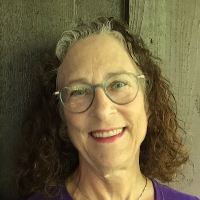
About Susan
Dr. Susan Gurvich welcomes people who are carrying heavy stress, anxiety, grief, or life changes and want practical help. She aims to connect quickly and offer calm, straightforward guidance.
As an LPC in Texas with 25 years of experience, she listens first and helps set realistic goals together. She uses clear, down-to-earth conversation rather than clinical jargon. Sessions focus on small, useful steps to reduce overwhelm and improve day-to-day functioning.
Background and approach
She pays attention to relationships, identity concerns, and how life transitions affect mood and energy. Her approach draws on Acceptance and Commitment Therapy and mindfulness to help people notice what matters most. Dr.
Gurvich also uses client-centered methods to follow each person’s pace, and Dialectical Behavior Therapy skills for managing strong emotions. She may include hypnotherapy when it fits the person’s preferences. Across a long career in hospitals and outpatient settings, she has worked with people facing depression, trauma and abuse, caregiving stress, LGBTQ and gender-related issues, bipolar disorder, ADHD, and chronic illness.
That background informs practical strategies for coping, communication, and self-care. Sessions are offered by video, phone, live chat, and text messaging to fit different needs. She encourages a collaborative process where the person’s goals shape the work.
To begin, follow the platform’s Start Therapy flow and schedule a first meeting.
Practical approaches for online therapy and emotional regulation
Dr. Gurvich uses Acceptance and Commitment Therapy to help people clarify their values and take small actions toward them despite difficult thoughts or feelings. ACT focuses on noticing internal experiences and committing to behaviors that match what matters most. She also draws on Dialectical Behavior Therapy skills to teach emotion regulation, distress tolerance, and clearer communication when feelings run high.She treats choosing an approach as a team effort. The therapist will listen to your goals and preferences and then suggest techniques to try. Together you can adjust methods and pace so the work fits your life and produces useful change.
Online formats include video calls, phone sessions, live chat, and text-based messaging to increase flexibility. Video sessions allow reading facial expressions and nonverbal cues, phone calls can be easier if bandwidth is limited, and messaging works well for quick check-ins or ongoing support between sessions. These options make it simpler to fit therapy into busy schedules and to keep continuity when life gets disrupted.
Questions people ask
What concerns does she help with?
How would you describe her therapeutic style?
What is her background and experience?
What are her credentials and where is she based?
Can sessions be conducted in other languages or internationally?
Which session formats are available?
How is cost handled for sessions?
What are the first steps to begin working together?
What this counselor works with
Most often
Also listed
- Abandonment
- ADHD
- Aging and geriatric issues
- Anger management
- Bipolar disorder
- Blended family issues
- Body image
- Career difficulties
- Caregiver issues and stress
- Chronic pain, illness, and disability
- Codependency
- Communication problems
- Compassion fatigue
- Coping with life changes
- Depression
- Family conflicts
- Family of origin issues
- Family problems
- Gender dysphoria
- Grief
- Guilt and shame
- Hospice and end-of-life counseling
- Immigration issues
- Intimacy-related issues
- Isolation / loneliness
- Life purpose
- Midlife crisis
- Mood disorders
- Multicultural concerns
- Polyamory / non-monogamous relationships
- Postpartum depression
- Prejudice and discrimination
- Relationship issues
- Self-love
- Sexual assault and abuse
- Sexuality
- Trauma and abuse
- Traumatic brain injury
- Women's issues
- Workplace issues
- Young adult issues
Therapeutic approaches
- Experience
- 25 years
- Licensed
- Texas
- Languages
- English