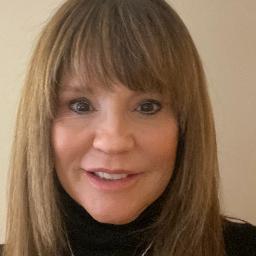
About Shirley
Shirley Butcher helps people manage stress, anxiety, depression, addictions, trauma, and concerns related to sexual orientation and identity. She uses straightforward talk and practical steps so parents can quickly see how sessions might help their child or themselves. Shirley offers clear, calm guidance without jargon.
Shirley draws on six years of clinical work in behavioral health and substance use counseling. She combines client-centered listening with tools from cognitive behavioral therapy to address unhelpful thoughts and habits.
Background and approach
When trauma is present she uses targeted trauma approaches to reduce distress and improve daily coping. Her style is down-to-earth and focused on what works in real life. Sessions include skill-building, emotion regulation techniques from dialectical behavior therapy, and attention to early attachment patterns that shape relationships.
She also uses eye movement desensitization and reprocessing for trauma processing when appropriate. Shirley pays attention to family of origin issues, codependency, communication breakdowns, and problems with control or expectations. She helps people talk through feelings of abandonment, shame, guilt, and emptiness.
Body image, co-morbidity, dissociation, and the fallout from divorce or domestic violence are also part of her practice focus. Shirley holds an LPCC, which stands for Licensed Professional Clinical Counselor in Minnesota. She provides therapy in English and works with adults using video calls, phone sessions, live chat, and text-based messaging.
Her approach aims to be practical and collaborative so people can try changes between sessions.
How Shirley’s approaches translate to online therapy
Attachment-Based Therapy focuses on understanding how early relationships shape current feelings and reactions. Online sessions can look at patterns in relationships and practice new ways of connecting and setting boundaries in everyday life. Cognitive Behavioral Therapy, or CBT, breaks down thoughts and behaviors that keep problems going. In virtual sessions Shirley helps identify unhelpful thought patterns and teaches simple exercises to change routines, manage anxiety, and build healthier habits. Finding the best approach happens together. Shirley will talk with each person about their goals, history, and preferences, then suggest which methods to try first. That plan can be adjusted as therapy progresses so it fits the person’s needs. Online therapy offers flexibility for busy schedules. Video calls let people work face to face without travel, phone sessions can be a good fit when bandwidth is limited, and live chat or text messaging allow shorter check-ins or ongoing support between appointments. These options make it easier to practice new skills in real time and keep therapy consistent when life is busy.Questions people ask
What concerns does Shirley typically address?
How would you describe her therapeutic style?
What is her professional background?
What credentials and region are listed?
Which languages are supported and are international clients accepted?
What session formats are available?
How does cost and payment work?
How do I get started with therapy?
What this counselor works with
Most often
Also listed
- Abandonment
- Attachment issues
- Body image
- Co-morbidity
- Codependency
- Communication problems
- Control issues
- Depression
- Dissociation
- Divorce and separation
- Domestic violence
- Emptiness
- Family of origin issues
- Family problems
- Forgiveness
- Guilt and shame
- Impulsivity
- Isolation / loneliness
- Life purpose
- Mood disorders
- Multicultural concerns
- Obsessions, compulsions, and OCD
- Panic disorder and panic attacks
- Personality disorders
- Phobias
- Post-traumatic stress
- Seasonal Affective Disorder (SAD)
- Self-harm
- Self-love
- Social anxiety and phobia
- Somatization
- Trauma and abuse
- Workplace issues
Therapeutic approaches
- Experience
- 6 years
- Licensed
- Minnesota
- Languages
- English