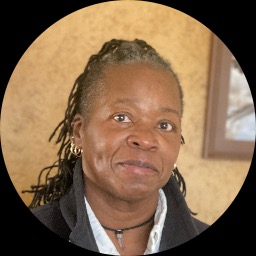
About Shemeah
Shemeah Richardson offers a person-focused approach that centers each session on the client's needs. She is a Licensed Professional Counselor (LPC) with 12 years of experience and uses straightforward talk and practical tools to help people cope. She speaks English and practices from Colorado.
Shemeah believes each person knows their story best. Sessions begin by listening carefully to what matters most and building on existing strengths. She aims to make therapy a place where people can name what is hard and try ways to feel better.
Background and approach
Her work often addresses trauma and abuse, grief, anxiety, depression, and stress. She also helps with relationship and family concerns, parenting strain, anger, self-esteem, and life transitions. Attention to ADHD, identity questions such as gender dysphoria, and LGBT concerns are part of her focus areas.
Shemeah draws from several practical approaches, including client-centered methods, cognitive behavioral ideas, mindfulness, motivational interviewing, and narrative techniques. That means sessions can include listening, problem-focused skills, and noticing thoughts and patterns that get in the way. She has helped people for over a decade and keeps the process simple and direct.
She works with people on real-life problems like communication struggles, caregiver stress, feelings of emptiness, and coping after loss. The goal is clearer thinking and more usable ways to handle everyday challenges.
Practical approaches for online counseling
Shemeah uses client-centered work to focus sessions on what matters most to each person, creating space to tell their story and identify strengths. Cognitive Behavioral Therapy, or CBT, helps by naming unhelpful thoughts and testing small changes in behavior to reduce anxiety and depression. Mindfulness Therapy trains simple awareness skills so people can notice stress and choose how to respond rather than react.Choosing the right approach is a collaborative process. The therapist will listen to concerns, try methods that fit the client's goals, and adjust the plan as needed. Clients and the therapist decide together which techniques feel most useful over time.
Online therapy offers flexible ways to connect. Video calls allow face-to-face conversation and visual cues. Phone sessions work well when bandwidth or camera use is limited. Live chat and text-based messaging are useful for brief check-ins, reflection between sessions, or when typing feels easier than talking. These formats make it simpler to fit therapy into a busy schedule and to continue work consistently from different locations.
Questions people ask
What kinds of concerns does she help with?
How would you describe her therapy style?
What is her professional background?
Where is she based and what credentials does she hold?
Which languages are supported and can international clients join?
What session formats are available?
How does payment and cost work?
How do I begin therapy with her?
What this counselor works with
Most often
Also listed
- Abandonment
- ADHD
- Adoption and foster care
- Aging and geriatric issues
- Anger management
- Caregiver issues and stress
- Communication problems
- Coping with life changes
- Coping with natural or human-caused disaster
- Dependent personality
- Depression
- Emptiness
- Family conflicts
- Family of origin issues
- Family problems
- Forgiveness
- Gender dysphoria
- Guilt and shame
- Impulsivity
- Isolation / loneliness
- LGBT
- Life purpose
- Midlife crisis
- Mood disorders
- Multicultural concerns
- Parenting issues
- Post-traumatic stress
- Prejudice and discrimination
- Relationship issues
- Self esteem
- Self-harm
- Self-love
- Sexuality
- Stress, Anxiety
- Women's issues
- Young adult issues
Therapeutic approaches
- Experience
- 12 years
- Licensed
- Arizona, Georgia, Colorado
- Languages
- English