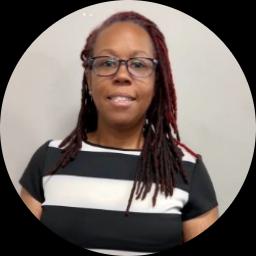
About Shawntay
Shawntay Fenyo brings a decade of clinical experience to her practice in North Carolina. She holds MD, LCPC, LCMHC and focuses on helping people cope with stress, anxiety, trauma, grief, depression, and major life changes. She listens closely and helps people find clear steps forward.
Fenyo frames sessions around each person's real-life needs. She creates a calm, respectful space where clients can talk through painful memories and current struggles. Sessions focus on practical coping skills and realistic goals rather than abstract theory.
Background and approach
Her work often addresses feelings of emptiness, isolation, and relationship strain. She also supports people dealing with postpartum depression, pregnancy and childbirth concerns, and the particular stresses faced by veterans and members of the armed forces. Cultural background is treated as an important part of each person's story.
Clinically, Fenyo draws on client-centered methods to prioritize the client's perspective. She also uses cognitive behavioral techniques to change unhelpful thinking and solution-focused strategies to set short-term goals. Motivational interviewing helps when people feel stuck about making changes.
People who prefer clear steps and a collaborative tone tend to fit well with her style. Sessions aim to build resilience, manage symptoms, and produce workable plans for daily life. The goal is steady progress that fits a person's schedule and priorities.
How therapeutic approaches shape remote care
Client-Centered Therapy focuses on the client's experience and priorities. The therapist listens closely, reflects feelings, and follows the client's lead to build trust and direction; this helps when someone needs empathy and space to sort through emotions. Cognitive Behavioral Therapy, or CBT, targets the links between thoughts, feelings, and behaviors. It uses simple exercises to test unhelpful thoughts and to build new habits, which can reduce symptoms of anxiety and depression.Finding the right approach is part of the work together. The therapist will talk with the client about goals, preferences, and how they respond to different techniques. Decisions about emphasis are made collaboratively, and approaches can be adjusted as progress is made.
Online sessions are offered as video calls, phone sessions, live chat, or text-based messaging to fit varied schedules. Video is useful for deeper conversations when face-to-face contact matters. Phone sessions work well when bandwidth is limited or for a shorter check-in. Chat and messaging are helpful for quick updates, brief coping reminders, or staying connected between sessions. These options make it easier to receive consistent care while balancing work, family, and other commitments.
Questions people ask
What concerns does Shawntay help with?
How would you describe her therapeutic style?
What is her background and clinical experience?
What credentials and location are listed?
Which languages are sessions offered in?
What session formats are available?
How does pricing work?
How do I begin working with her?
What this counselor works with
Most often
Also listed
- Abandonment
- Blended family issues
- Commitment issues
- Coping with life changes
- Depression
- Emptiness
- Family problems
- Forgiveness
- Isolation / loneliness
- Life purpose
- Midlife crisis
- Mood disorders
- Multicultural concerns
- Postpartum depression
- Pregnancy and childbirth
- Seasonal Affective Disorder (SAD)
- Self-love
- Social anxiety and phobia
- Veteran and Armed Forces Issues
- Women's issues
- Young adult issues
Therapeutic approaches
- Experience
- 10 years
- Licensed
- North Carolina, Maryland, Virginia
- Languages
- English