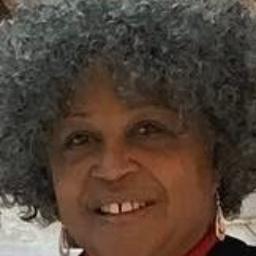
About Paula
Paula Christian-Stallworth is a licensed professional counselor who focuses on helping people facing addiction, trauma, relationship strain, and life transitions. She speaks plainly and works to make therapy easy to understand for people under stress. Her style is grounded and practical, aimed at clear steps rather than jargon.
She uses several well-known approaches to meet different needs. Cognitive Behavioral Therapy helps people spot unhelpful thoughts and try new behaviors. Client-centered methods put the person's goals and experience at the center of each session.
Background and approach
Mindfulness practices teach simple ways to calm strong emotions and stay present. With 27 years of experience, Paula draws on a long history of supporting people through grief, career shifts, and recovery from substance and process addictions. She also addresses family problems, communication breakdowns, and the effects of sexual assault or domestic violence.
Her work includes end-of-life and hospice counseling when people need help making meaning of hard moments. Paula works with cultural sensitivity and attention to each person’s history. Sessions aim to build self-esteem, reduce anxiety, and create practical plans for change.
She helps people find clearer purpose and stronger day-to-day coping. Her practice is based in Colorado. Sessions are offered through video, phone, chat, and messaging so people can choose what fits their life.
The focus is on steady progress, respectful listening, and realistic next steps.
Approaches that translate well to online care
Client-centered therapy focuses on the person’s goals and experience, giving them space to set the pace and topics for sessions. This approach helps when someone needs steady support and a safe, nonjudgmental listener.Cognitive Behavioral Therapy (CBT) teaches straightforward ways to notice and change unhelpful thoughts and behaviors. CBT is useful for anxiety, depression, stress, and many addiction-related patterns because it emphasizes practical exercises clients can use between sessions.
Mindfulness practices help people manage intense feelings by training attention and breathing. These small skills are helpful for grief, anger, and trauma reactions and can be practiced during or after sessions.
Paula will work collaboratively to find the right mix of approaches based on each person’s goals and preferences. Figuring out what fits best is part of the early sessions, and plans are adjusted as progress is made.
Online therapy offers practical advantages. Video calls allow face-to-face conversation without travel. Phone sessions are a good option when bandwidth is limited or for shorter check-ins. Live chat and text-based messaging let people send brief updates or get support between longer sessions. These options make it easier to keep therapy consistent when life is busy or schedules change.
Questions people ask
What concerns does Paula address in therapy?
What is her therapeutic style like?
How much clinical experience does she have?
Where is she licensed and based?
In which languages are sessions offered?
What session formats does she use?
How does cost and billing work?
How do I begin working with her?
What this counselor works with
Most often
- Addictions
- Relationship issues
- Family conflicts
Also listed
- Anger management
- Blended family issues
- Career difficulties
- Coaching
- Communication problems
- Depression
- Divorce and separation
- Domestic violence
- Drug and alcohol addiction
- Family problems
- Forgiveness
- Grief
- Hospice and end-of-life counseling
- Life purpose
- Multicultural concerns
- Process addiction (porn, exercise, gambling)
- Self esteem
- Self-harm
- Self-love
- Sexual assault and abuse
- Smoking / vaping cessation
- Stress, Anxiety
- Trauma and abuse
- Veteran and Armed Forces Issues
- Women's issues
- Young adult issues
Therapeutic approaches
- Experience
- 27 years
- Licensed
- Colorado, Georgia
- Languages
- English