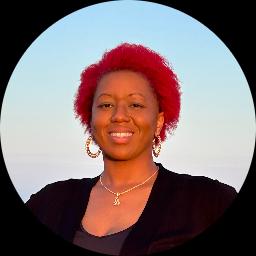
About Monika
Monika Scott-Rogers is a Licensed Professional Counselor (LPC) with 15 years of experience helping people manage stress, anxiety, mood changes, and life transitions. She draws on practical tools and down-to-earth conversation to help people find ways forward when things feel overwhelming. She views therapy as a collaborative effort.
Sessions focus on building coping skills, talking through painful memories, and strengthening everyday routines. Monika uses straightforward methods so people can try ideas between sessions and notice what helps.
Background and approach
Her work covers a wide range of concerns including depression, trauma and abuse, grief, relationship problems, parenting strain, ADHD, and compassion fatigue. She also supports people facing identity and cultural stress, LGBT-related concerns, and the effects of prejudice and discrimination. Monika uses approaches that include Client-Centered Therapy, Cognitive Behavioral Therapy (CBT), and Mindfulness Therapy along with Motivational Interviewing and Solution-Focused Therapy.
These methods are used to tailor practical steps, reframe unhelpful thinking, and build awareness of strong moments and values. Originally practicing since 2010, she aims to treat each person as an individual within their social context. People who want clear tools, honest conversation, and steady support during change often find her style helpful.
Sessions are offered from South Carolina and conducted in English.
How online approaches and therapy methods come together
Client-Centered Therapy focuses on listening with respect and helping each person feel heard, so the therapist follows the client's lead and supports their goals. Cognitive Behavioral Therapy, or CBT, looks at how thoughts and behaviors connect and offers focused strategies to change patterns that increase anxiety or low mood. Mindfulness Therapy teaches simple attention and breathing techniques to reduce reactivity and bring awareness to the present moment.Finding the right mix of approaches is part of the process. The therapist will work together with each person to choose methods that fit their needs, goals, and preferences rather than applying a single plan. That collaborative planning can shift as progress is made or as new issues come up.
Online sessions make it easier to fit therapy into a busy life. Video calls let people use visual cues and face-to-face conversation; phone sessions can be a good choice when bandwidth is limited or when a person prefers not to be on camera. Live chat and text-based messaging support shorter check-ins, quick skill practice, and follow-up between longer sessions. These options help people keep therapy consistent while balancing work, family, and daily responsibilities.
Questions people ask
What kinds of problems does she help with?
What is her therapy style like?
How much experience does she have?
Where is she licensed and based?
In which languages can sessions be held?
Can international clients work together with her?
What session formats are available?
How does cost and scheduling work?
What this counselor works with
Most often
- Stress, Anxiety
- LGBT
- Family conflicts
Also listed
- ADHD
- Anger management
- Antisocial personality
- BDSM, kink, and alternative sex culture
- Bipolar disorder
- Blended family issues
- Coaching
- Compassion fatigue
- Coping with life changes
- Depression
- Family problems
- Forgiveness
- Grief
- Guilt and shame
- Isolation / loneliness
- Life purpose
- Men's issues
- Mood disorders
- Multicultural concerns
- Parenting issues
- Polyamory / non-monogamous relationships
- Post-traumatic stress
- Prejudice and discrimination
- Relationship issues
- Seasonal Affective Disorder (SAD)
- Self esteem
- Self-harm
- Self-love
- Sexuality
- Trauma and abuse
- Women's issues
- Young adult issues
Therapeutic approaches
- Experience
- 15 years
- Licensed
- South Carolina
- Languages
- English