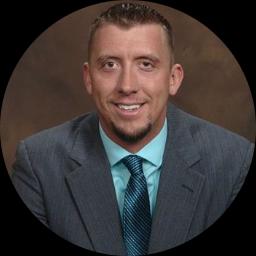
About Kurt
Kurt Ruffley brings a clinical practice shaped by military service and work in education. He holds an MT LCPC and has four years of clinical experience. Kurt focuses on making therapy approachable and useful for people facing stress, anxiety, trauma, parenting pressures, low self-esteem, and depression.
He uses straightforward language in sessions and centers practical tools that clients can use between meetings. Mindfulness techniques and skills from Cognitive Behavioral Therapy help clients notice unhelpful patterns and change them.
Background and approach
He also draws on Dialectical Behavior Therapy and motivational strategies to support emotion regulation and commitment to goals. Kurt aims to meet people where they are and build on strengths they already have. He offers telehealth sessions across Montana and occasional in-person work in the Flathead Valley.
Sessions are available by video call, phone, live chat, or text messaging to fit different schedules and needs. His background includes outreach to veterans, people experiencing homelessness, and young adults with disabilities and trauma histories. That experience informs a practical, respectful style and a focus on safety and steady progress.
Kurt collaborates with each person to set clear goals and adapt methods to what helps most. To begin, clients complete a brief matching questionnaire and then schedule sessions. Therapy uses a subscription model that can be canceled at any time, and session costs vary with location and therapist availability.
Approaches that translate to online care
CBT, or Cognitive Behavioral Therapy, helps people spot thoughts and actions that keep problems going and then try small, practical changes. It is useful for anxiety, depression, and stress when someone wants step-by-step ways to feel better. DBT, or Dialectical Behavior Therapy, teaches emotion regulation, distress tolerance, and clearer communication skills. Those tools are helpful when strong emotions or relationship tensions get in the way of daily life. Mindfulness Therapy focuses on present-moment awareness and simple practices to reduce reactivity and build attention, which can lower stress and support recovery.Choosing the best approach is a team effort. Kurt will talk through goals, past efforts, and daily routines to pick methods that fit the person's needs and preferences. He adjusts strategies over time and combines elements from different approaches when that makes sense.
Online therapy offers real flexibility. Video calls let you see facial cues and practice skills in real time. Phone sessions are useful when bandwidth is low or when someone prefers not to use video. Live chat and text messaging are good for brief check-ins, homework support, or shorter coaching-style conversations between sessions. These options make it easier to fit therapy into work, school, or family schedules while keeping consistent progress.
Questions people ask
What kinds of concerns does Kurt help with?
What is his therapy style like?
How much clinical experience does he have?
What credential does he hold and where is he based?
Which languages are sessions offered in?
What session formats are available?
How does payment and cost work?
How do I get started with Kurt?
What this counselor works with
Most often
- Stress, Anxiety
- Trauma and abuse
- Parenting issues
Also listed
- Abandonment
- Adoption and foster care
- Antisocial personality
- Autism and Asperger Syndrome
- Caregiver issues and stress
- Chronic pain, illness, and disability
- Co-morbidity
- Codependency
- Communication problems
- Coping with natural or human-caused disaster
- Depression
- Domestic violence
- Drug and alcohol addiction
- Emptiness
- Family of origin issues
- Family problems
- Fatherhood issues
- First responder issues
- Forgiveness
- Gender dysphoria
- Guilt and shame
- Hospice and end-of-life counseling
- Infidelity
- Intellectual disability
- Isolation / loneliness
- Jealousy
- Life purpose
- Men's issues
- Mood disorders
- Multicultural concerns
- Panic disorder and panic attacks
- Post-traumatic stress
- Process addiction (porn, exercise, gambling)
- Self esteem
- Self-harm
- Sexual assault and abuse
- Social anxiety and phobia
- Traumatic brain injury
- Veteran and Armed Forces Issues
- Workplace issues
- Young adult issues
Therapeutic approaches
- Experience
- 4 years
- Licensed
- Montana
- Languages
- English