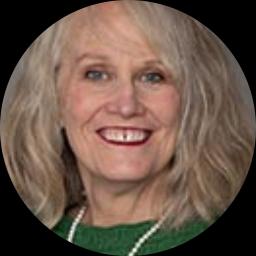
About Julie
Dr. Julie Moreno is a Michigan-based licensed professional counselor (LPC) with 14 years of clinical experience. She supports people facing stress, anxiety, depression, grief, and relationship struggles.
She also helps those coping with life changes, addiction concerns, sleep difficulties, and issues around self-esteem and intimacy. Her style is straightforward and compassionate. She creates a calm space where clients can talk through painful memories and current problems.
Sessions focus on practical steps that people can use between meetings to feel steadier day to day.
Background and approach
Julie draws on several evidence-based approaches, including cognitive behavioral techniques, acceptance and commitment ideas, and attachment-focused work. She tailors methods to match each person’s situation rather than using a one-size-fits-all plan. This means clients leave with tools that fit their real lives.
She has worked with a wide range of concerns over her career, from chronic pain and caregiver stress to career questions and end-of-life planning. That variety informs a flexible way of working that honors where a person is now and what they want to change next. Julie emphasizes collaboration.
She helps people set clear goals and measures progress along the way. The overall aim is to build coping skills, increase clarity about values and choices, and restore a sense of forward movement.
How therapeutic approaches are used online
Acceptance and Commitment Therapy (ACT) helps people notice unwanted thoughts and feelings without getting stuck in them, then choose actions that match their values. ACT can be useful for anxiety, depression, and life transitions where values and behavior change matter.Cognitive Behavioral Therapy (CBT) focuses on changing unhelpful thinking and behavior patterns. It often includes practical exercises and experiments to reduce anxiety, improve sleep, and change mood in day-to-day life.
Attachment-Based Therapy looks at how early relationship patterns influence current connections and emotional responses. This work can help people understand intimacy issues, attachment wounds, and relationship triggers.
Choosing the right approach is part of the work together. Julie will collaborate with each person to figure out which methods fit their goals, preferences, and situation. That may mean combining tools from different approaches and adjusting the plan as progress is made.
Online therapy offers flexible ways to connect. Video calls let people read facial cues and practice new skills in real time. Phone sessions require less bandwidth and can be easier to fit into a work break. Live chat and text-based messaging allow brief check-ins, quick coping reminders, and written reflections between scheduled sessions. These options help therapy fit into busy lives while keeping the focus on progress and usable skills.
Questions people ask
What concerns can Julie help with?
What is her therapeutic style like?
How much clinical experience does she have?
What credentials and location are listed?
Which languages are used in sessions?
What session formats are available?
How are fees and billing handled?
How do I begin working with her?
What this counselor works with
Most often
- Stress, Anxiety
- Relationship issues
- Grief
Also listed
- Addictions
- Aging and geriatric issues
- Anger management
- Attachment issues
- Autism and Asperger Syndrome
- Bipolar disorder
- Body image
- Career difficulties
- Caregiver issues and stress
- Chronic pain, illness, and disability
- Co-morbidity
- Codependency
- Communication problems
- Compassion fatigue
- Control issues
- Coping with life changes
- Depression
- Eating and food-related issues
- Family conflicts
- Guilt and shame
- Hospice and end-of-life counseling
- Intellectual disability
- Intimacy-related issues
- LGBT
- Life purpose
- Midlife crisis
- Multicultural concerns
- Obsessions, compulsions, and OCD
- Panic disorder and panic attacks
- Parenting issues
- Post-traumatic stress
- Postpartum depression
- Pregnancy and childbirth
- Seasonal Affective Disorder (SAD)
- Self esteem
- Self-love
- Sleeping disorders
- Social anxiety and phobia
- Somatization
- Trauma and abuse
- Traumatic brain injury
- Women's issues
- Workplace issues
Therapeutic approaches
- Acceptance and Commitment Therapy (ACT)
- Attachment-Based Therapy
- Client-Centered Therapy
- Cognitive Behavioral Therapy (CBT)
- Dialectical Behavior Therapy (DBT)
- Emotionally-Focused Therapy (EFT)
- Existential Therapy
- Mindfulness Therapy
- Narrative Therapy
- Solution-Focused Therapy
- Somatic Therapy
- Trauma-Focused Therapy
- Experience
- 14 years
- Licensed
- Michigan
- Languages
- English