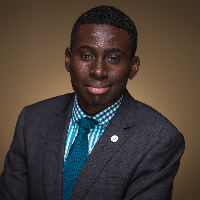
About Emmanuel
Dr. Emmanuel Oppong helps people who are stressed, anxious, grieving, or struggling with relationships. He commonly works with concerns such as depression, addiction, trauma and abuse, LGBTQ issues, intimacy problems, anger, and self-esteem.
He practices in Minnesota and speaks English, Akan, and Twi. Dr. Oppong holds LPCC, which stands for Licensed Professional Clinical Counselor, and brings 11 years of clinical experience.
He has worked in clinics, schools, prisons, and both inpatient and outpatient treatment settings.
Background and approach
That variety shaped his ability to adapt sessions to different needs and circumstances. His approach blends client-centered care with practical techniques. He uses Cognitive Behavioral Therapy to help people notice and change unhelpful thinking patterns.
He also draws on mindfulness practices to build present-moment awareness and reduce reactivity. For trauma-related concerns he includes EMDR elements alongside other methods when appropriate. Motivational Interviewing shows up when people are weighing change or feeling stuck.
Sessions focus on clear goals, small steps, and skills people can use between meetings. Dr. Oppong aims to create a calm, respectful space where people can talk plainly about hard things.
He also offers coaching for career and life transitions alongside clinical work. He accepts international clients and works online using video, phone, chat, and text options.
Approaches that translate well to online care
Dr. Oppong commonly uses Client-Centered Therapy and Cognitive Behavioral Therapy in online sessions. Client-Centered Therapy centers conversations on what matters most to the person, helping them feel heard and understood while they set their own goals. Cognitive Behavioral Therapy focuses on identifying unhelpful thoughts and testing new ways of thinking and behaving to reduce anxiety or depression.He also uses Eye Movement Desensitization and Reprocessing for trauma work when appropriate, combining it with other methods to address distressing memories and symptoms. These approaches are discussed and chosen together so the person feels invested in the plan and understands what each method aims to do.
Online formats include video calls, phone sessions, live chat, and text-based messaging. Video sessions allow face-to-face conversation and skill demonstrations, phone sessions can work when bandwidth is limited, and chat or text are useful for brief check-ins or ongoing coaching between meetings. These options make it easier to fit therapy into a busy schedule and to maintain continuity across life changes.
Questions people ask
What kinds of concerns does this therapist help with?
How would therapy sessions typically feel or proceed?
What background and experience does the therapist have?
What credentials and location are listed?
Which languages are supported for sessions?
What session formats are available?
How are fees and payment handled?
What steps are involved in beginning therapy?
What this counselor works with
Most often
- Stress, Anxiety
- Addictions
- Relationship issues
Also listed
- Abandonment
- Anger management
- Antisocial personality
- Attachment issues
- Blended family issues
- Body image
- Cancer
- Career difficulties
- Co-morbidity
- Coaching
- Codependency
- Commitment issues
- Communication problems
- Control issues
- Coping with natural or human-caused disaster
- Depression
- Divorce and separation
- Domestic violence
- Drug and alcohol addiction
- Emptiness
- Family conflicts
- Family of origin issues
- Family problems
- Fatherhood issues
- Forgiveness
- Grief
- Guilt and shame
- HIV / AIDS
- Hoarding
- Immigration issues
- Infidelity
- Intimacy-related issues
- Isolation / loneliness
- Jealousy
- LGBT
- Life purpose
- Men's issues
- Money and financial issues
- Multicultural concerns
- Panic disorder and panic attacks
- Paranoia
- Personality disorders
- Phobias
- Post-traumatic stress
- Prejudice and discrimination
- Seasonal Affective Disorder (SAD)
- Self esteem
- Self-love
- Sex addiction
- Sexual assault and abuse
- Sexuality
- Social anxiety and phobia
- Trauma and abuse
- Veteran and Armed Forces Issues
- Workplace issues
- Young adult issues
Therapeutic approaches
- Experience
- 11 years
- Licensed
- Minnesota
- Languages
- English, Akan, Twi