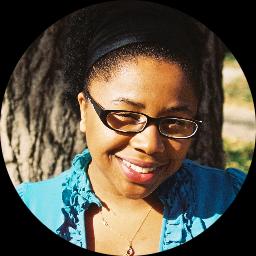
About Renee
Renee Sloan is a Licensed Professional Counselor practicing in Georgia with 18 years in the mental health field. She works with people who feel overwhelmed by stress, anxiety, depression, mood shifts, or struggles with self-esteem and motivation. She also helps those facing addiction, grief, trauma, relationship and intimacy concerns, and identity questions related to LGBT issues.
Renee approaches therapy as a partnership. She asks questions, listens closely, and helps people notice what’s working and what gets in the way.
Background and approach
Sessions focus on clear, manageable steps rather than jargon. Goals are practical and tied to daily life changes that matter to the client. She uses methods drawn from Cognitive Behavioral Therapy and Dialectical Behavior Therapy to help people change unhelpful thinking patterns and build emotional skills.
These approaches are used to address anxiety, depression, anger, and problems with mood regulation and coping. Across her career she has supported people living with severe mental illness and those with special needs, always aiming to meet each person where they are. Renee centers strengths while also addressing problems like dissociation, attachment issues, and codependency when they come up.
Her style is direct but warm, focused on small steps that add up. If someone wants concrete strategies for sleeping better, managing anger, or improving communication, she frames therapy as a practical space to try new skills and track progress.
CBT and DBT techniques for online care
Renee uses Cognitive Behavioral Therapy to help people notice and change unhelpful thoughts and behaviors. CBT breaks problems into small parts so the person can try specific strategies for anxiety, depression, sleep, and daily routines.She also draws on Dialectical Behavior Therapy to teach emotion regulation, distress tolerance, and communication skills. DBT-style work can be useful for anger, mood swings, self-soothing, and improving interpersonal interactions.
Choosing the right approach is a collaborative process. The therapist will work with each person to match methods to the client’s goals, symptoms, and preferences. Together they set priorities and agree on tasks to try between sessions.
Online therapy offers practical flexibility. Video calls let people see body language and have fuller conversations. Phone sessions can be easier when bandwidth is limited or a shorter check-in is needed. Live chat and text-based messaging are useful for quick reflections, ongoing coaching, or keeping momentum between sessions. These options make it simpler to fit therapy into a busy schedule and try different ways of working until the best fit is found.
Questions people ask
What types of concerns can be addressed in sessions?
What is her general approach to therapy?
How long has she practiced in mental health?
What credentials and region are associated with this therapist?
Are sessions offered in other languages or to international clients?
What formats are available for sessions?
How does pricing work for therapy sessions?
How do I begin working with this therapist?
What this counselor works with
Most often
- Stress, Anxiety
- LGBT
- Anger management
Also listed
- Abandonment
- Addictions
- ADHD
- Adoption and foster care
- Antisocial personality
- Attachment issues
- Avoidant personality
- Bipolar disorder
- Blended family issues
- Body image
- Career difficulties
- Caregiver issues and stress
- Coaching
- Codependency
- Commitment issues
- Communication problems
- Control issues
- Coping with life changes
- Dependent personality
- Depression
- Disruptive Mood Dysregulation Disorder (DMDD)
- Dissociation
- Drug and alcohol addiction
- Emptiness
- Family conflicts
- Family problems
- Fatherhood issues
- First responder issues
- Forgiveness
- Gender dysphoria
- Grief
- Guilt and shame
- HIV / AIDS
- Impulsivity
- Intellectual disability
- Intimacy-related issues
- Jealousy
- Life purpose
- Men's issues
- Midlife crisis
- Money and financial issues
- Mood disorders
- Multicultural concerns
- Obsessions, compulsions, and OCD
- Panic disorder and panic attacks
- Paranoia
- Parenting issues
- Personality disorders
- Phobias
- Post-traumatic stress
- Process addiction (porn, exercise, gambling)
- Relationship issues
- Seasonal Affective Disorder (SAD)
- Self esteem
- Self-love
- Sexuality
- Sleeping disorders
- Social anxiety and phobia
- Trauma and abuse
- Veteran and Armed Forces Issues
- Visually impaired
- Women's issues
- Workplace issues
- Young adult issues
Therapeutic approaches
- Experience
- 18 years
- Licensed
- Georgia
- Languages
- English