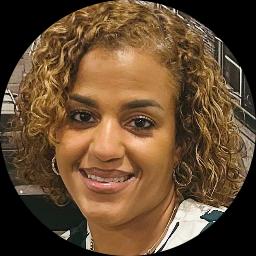
About Clarissa
Clarissa Poole Parks is a licensed professional counselor who uses practical therapeutic approaches to help people through stress, anxiety, depression, and relationship struggles. She writes simply and listens closely to what is happening now. Sessions focus on skills people can use between meetings to manage emotions and handle everyday problems.
With ten years of experience, she draws on cognitive behavioral methods and solution-focused ideas to create straightforward plans. Clarissa also brings in mindfulness practices and narrative work when they fit a person’s needs.
Background and approach
That mix helps when someone faces grief, trauma, parenting challenges, or fights about communication and boundaries. Her style is warm and respectful. She avoids labels and treats each person with sensitivity and compassion.
Sessions aim to be practical: identify an issue, try a few strategies, and see what helps in real life. Clarissa has worked over a decade supporting people with intimacy-related concerns, attachment and abandonment worries, blended family stress, and caregiver strain. She also helps with anger, self-esteem, body image, and the emptiness that follows big life changes.
Clients can expect a collaborative approach that focuses on concrete steps and emotional understanding. The goal is clearer communication, better coping skills, and a stronger sense of control over daily life. Clarissa practices in Georgia and offers therapy in English.
Therapeutic approaches that fit into online sessions
Clarissa commonly uses cognitive behavioral therapy and emotionally-focused therapy in her work. Cognitive behavioral therapy (CBT) looks at unhelpful thoughts and behaviors and teaches practical skills to change them, which can help with anxiety, depression, and stress. Emotionally-focused therapy (EFT) concentrates on emotions and attachment patterns to improve closeness and communication in relationships.Choosing the right approach is part of the process. She will talk with each person about their goals and preferences, then try methods that seem most likely to help. That collaborative decision making makes it easier to adjust the plan if something isn’t working.
Online sessions are offered by video calls, phone, live chat, or text-based messaging to match different needs. Video is helpful for deeper conversations and exercises that use facial and body cues. Phone sessions are useful when bandwidth is limited or a quicker check-in is needed. Text and chat let people write about their thoughts between sessions and keep shorter contact when life is busy. These options add flexibility so therapy can fit around work, school, or caregiving responsibilities.
Questions people ask
What concerns does she address?
What is her therapeutic style?
How much experience does she have?
Where is she licensed and located?
Which languages and international clients are supported?
What session formats does she offer?
How does payment work?
How do I begin working with her?
What this counselor works with
Most often
- Stress, Anxiety
- Relationship issues
- Family conflicts
Also listed
- Abandonment
- Anger management
- Attachment issues
- Blended family issues
- Body image
- Caregiver issues and stress
- Commitment issues
- Communication problems
- Compassion fatigue
- Control issues
- Coping with life changes
- Depression
- Divorce and separation
- Emptiness
- Family problems
- Forgiveness
- Grief
- Impulsivity
- Intimacy-related issues
- Isolation / loneliness
- Jealousy
- Life purpose
- Mood disorders
- Multicultural concerns
- Panic disorder and panic attacks
- Parenting issues
- Post-traumatic stress
- Postpartum depression
- Self esteem
- Self-harm
- Self-love
- Sexual assault and abuse
- Social anxiety and phobia
- Trauma and abuse
- Women's issues
- Workplace issues
- Young adult issues
Therapeutic approaches
- Experience
- 10 years
- Licensed
- Georgia
- Languages
- English