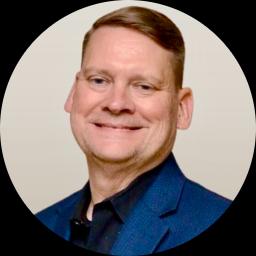
About Brian
Brian Sharp is a licensed counselor practicing in Texas. He holds LPCC and LPC credentials and brings five years of clinical work to conversations about depression, anxiety, stress, and addiction. He aims for straightforward help that parents and busy people can use right away.
Brian centers sessions on each person’s story. He listens first, then helps clients name what matters and set practical goals. Sessions focus on small, achievable steps such as breathing and grounding skills, communication practice, or identifying thoughts that get in the way.
Background and approach
He blends several therapy styles to match the client’s needs. Cognitive Behavioral Therapy (CBT) is used to spot and change unhelpful thoughts and behaviors. Dialectical Behavior Therapy (DBT) skills help with emotion regulation and impulse control.
Mindfulness and Acceptance and Commitment Therapy (ACT) support noticing feelings without getting stuck in them. Brian often works with people facing relationship strain, work stress, identity questions, or life transitions. He also helps with addiction-related challenges, caregiver stress, and issues around guilt, shame, or abandonment.
Sessions move at a client’s pace and focus on real-world coping tools. Practical matters are part of the work. He offers video, phone, live chat, and text-based messaging so clients can choose what fits their life.
All sessions are conducted in English and arranged from his Texas practice.
How his approaches translate to online work
Acceptance and Commitment Therapy (ACT) helps people notice thoughts and feelings without getting ruled by them, then pick actions that match their values. Cognitive Behavioral Therapy (CBT) focuses on identifying thought patterns and practicing new behaviors to reduce anxiety and depression symptoms. Mindfulness Therapy trains simple attention and breathing practices to lower stress and improve focus.Finding the right approach is part of the process. The therapist will discuss goals and preferences, then suggest a combination of methods that fit the client’s needs. That collaborative planning may shift as goals change or new challenges come up.
Online sessions offer practical flexibility. Video calls let therapists and clients use visual cues for skills coaching and role play. Phone sessions work well when bandwidth is limited or a simpler check-in is needed. Live chat and text-based messaging support brief check-ins, skill practice, and day-to-day coaching between longer sessions. These options make it easier to fit therapy into work, caregiving, or travel schedules while keeping the focus on usable tools and steady progress.
Questions people ask
What kinds of problems does he help with?
What is his therapy style like?
How much clinical experience does he have?
Where is he licensed and based?
Which languages are supported?
What session formats are available?
How are costs and subscriptions handled?
How do I start working with him?
What this counselor works with
Most often
Also listed
- Abandonment
- Aging and geriatric issues
- Anger management
- Antisocial personality
- Attachment issues
- Career difficulties
- Caregiver issues and stress
- Coaching
- Commitment issues
- Communication problems
- Control issues
- Coping with life changes
- Depression
- Divorce and separation
- Drug and alcohol addiction
- Emptiness
- Family conflicts
- Family problems
- Forgiveness
- Guilt and shame
- Impulsivity
- Infidelity
- Isolation / loneliness
- Jealousy
- LGBT
- Life purpose
- Men's issues
- Midlife crisis
- Money and financial issues
- Mood disorders
- Multicultural concerns
- Obsessions, compulsions, and OCD
- Panic disorder and panic attacks
- Phobias
- Prejudice and discrimination
- Process addiction (porn, exercise, gambling)
- Relationship issues
- Self-harm
- Self-love
- Sex addiction
- Sexuality
- Social anxiety and phobia
- Workplace issues
- Young adult issues
Therapeutic approaches
- Experience
- 5 years
- Licensed
- Texas, Missouri, California, New Jersey
- Languages
- English