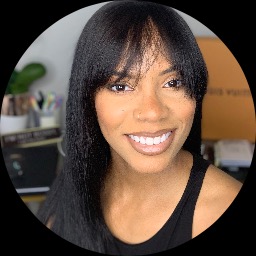
About Blythe
Blythe Barnes is a licensed professional counselor in Texas who helps people manage stress, anxiety, trauma, depression, and self-esteem concerns. She supports those facing relationship strain, parenting challenges, grief, career decisions, and identity questions. Blythe uses a warm, straightforward style to help people take the next step toward feeling better.
She keeps sessions focused and practical. Blythe listens first and then works with each person to set clear goals. Conversations often include skills for coping, identifying unhelpful thoughts, and small behavior changes to try between sessions.
Background and approach
Blythe draws on several evidence-informed approaches. She uses client-centered methods to build trust and Cognitive Behavioral Therapy to spot patterns that feed stress and low mood. For people wrestling with traumatic memories she may integrate trauma-focused techniques and EMDR where appropriate.
Her practice also attends to deeper parts of how people relate to themselves and others. Internal Family Systems ideas are used to help name inner parts and reduce self-criticism. This can be helpful for attachment wounds, abandonment issues, codependency, and family of origin concerns.
Sessions are offered via video, phone, live chat, or text-based messaging. Blythe brings nine years of professional experience as an LPC and aims to make therapy a steady, manageable process for people coping with big life changes or chronic stress.
How Blythe’s approaches translate to online therapy
Blythe commonly uses client-centered work and Cognitive Behavioral Therapy in online sessions. Client-centered therapy focuses on listening closely and helping people feel understood, which helps when sharing difficult feelings over video or chat. Cognitive Behavioral Therapy looks at the links between thoughts, feelings, and actions and teaches clear skills to reduce anxiety and low mood.She also integrates trauma-focused approaches and EMDR techniques when trauma is part of the story. Trauma-focused work helps people process upsetting memories and reduce their day-to-day impact, and EMDR is used as one option to work through traumatic material with guided attention and processing.
Finding the right approach is collaborative. Blythe will talk with each person about goals, past treatment, and what feels most comfortable. Together they decide which methods to try and adjust the plan as work progresses.
Online formats include video calls, phone sessions, live chat, and text-based messaging. Video sessions allow face-to-face conversation and screen sharing for worksheets. Phone sessions can be easier when bandwidth is limited or during a quick break. Live chat and text messaging are useful for brief check-ins, ongoing support, or when writing feels easier than speaking. These options make it simpler to fit therapy into a busy life and keep momentum between visits.
Questions people ask
What concerns does Blythe help with?
How would you describe Blythe's therapy style?
What is her professional background?
Where is Blythe licensed and based?
Which languages are offered for sessions?
Can clients outside the U.S. work with her?
What session formats does she use?
How are costs and starting therapy handled?
What this counselor works with
Also listed
- Abandonment
- Anger management
- Attachment issues
- Bipolar disorder
- Body image
- Career difficulties
- Caregiver issues and stress
- Codependency
- Communication problems
- Compassion fatigue
- Control issues
- Coping with life changes
- Dependent personality
- Depression
- Disruptive Mood Dysregulation Disorder (DMDD)
- Divorce and separation
- Emptiness
- Family conflicts
- Family of origin issues
- Family problems
- Fatherhood issues
- Forgiveness
- Grief
- Guilt and shame
- Intimacy-related issues
- Isolation / loneliness
- Jealousy
- LGBT
- Life purpose
- Men's issues
- Money and financial issues
- Multicultural concerns
- Narcissism
- Parenting issues
- Postpartum depression
- Pregnancy and childbirth
- Prejudice and discrimination
- Relationship issues
- Seasonal Affective Disorder (SAD)
- Self-love
- Sexual assault and abuse
- Sexuality
- Social anxiety and phobia
- Women's issues
- Workplace issues
- Young adult issues
Therapeutic approaches
- Experience
- 9 years
- Licensed
- Texas
- Languages
- English