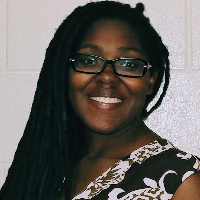
About Auslyn
Auslyn Thomas is a licensed professional counselor who focuses on helping people find more meaning and balance in daily life. She uses a warm, down-to-earth approach that starts with the strengths each person already has. Sessions move at a practical pace with clear steps to handle stress, anxiety, mood problems, and life changes.
She draws on five years as an LPC working in Tennessee. Her background includes work with trauma and abuse, depression, bipolar concerns, ADHD, panic, and compassion fatigue.
Background and approach
She also supports people facing grief, relationship and intimacy issues, parenting strain, and career or financial stress. Auslyn uses methods from Acceptance and Commitment Therapy, Cognitive Behavioral Therapy, Dialectical Behavior Therapy, Client-Centered Therapy, and EMDR where appropriate. That variety lets her match tools to the problem at hand, whether that means learning new coping skills, shifting unhelpful thinking, or processing difficult memories.
Sessions are practical and interactive. She helps clients build skills for emotional regulation, communication, and self-care. She also addresses concerns around body image, chronic illness, codependency, kink and alternative sex culture, and multicultural or immigration-related stress.
People who work with Auslyn can expect clear goals, gentle challenge, and a focus on real-world change. She invites clients to set the pace and bring what matters most to each session.
Online approaches that match your needs
Acceptance and Commitment Therapy (ACT) helps people clarify values and take small steps toward a life they care about rather than getting stuck in unhelpful thoughts. Cognitive Behavioral Therapy (CBT) focuses on identifying patterns of thinking and behavior that keep problems going and replacing them with practical skills for coping and change. Eye Movement Desensitization and Reprocessing (EMDR) can be used to process and reduce the intensity of traumatic memories when that is a good fit.Finding the right approach is part of the work. The therapist will talk with each person about goals, preferences, and what feels most useful. Together they decide which methods to try and adjust the plan as progress is made so the process stays collaborative.
Online therapy offers flexibility through video calls, phone sessions, live chat, and text-based messaging. Video sessions are useful for deeper conversations and skill practice. Phone sessions can fit a break at work or require less bandwidth. Live chat and messaging work well for quick check-ins, shorter coaching-style support, or when someone prefers not to be on camera. These options make it easier to keep therapy consistent around a busy life.
Questions people ask
What kinds of concerns does this therapist help with?
What is her therapeutic style like?
What experience does she bring to sessions?
Where is she licensed and practicing?
Which languages are supported for sessions?
What session formats are available?
How is cost handled for sessions?
How do I begin working with her?
What this counselor works with
Most often
- Stress, Anxiety
- Family conflicts
- Trauma and abuse
Also listed
- ADHD
- Anger management
- BDSM, kink, and alternative sex culture
- Bipolar disorder
- Body image
- Career difficulties
- Chronic pain, illness, and disability
- Codependency
- Communication problems
- Compassion fatigue
- Coping with life changes
- Coping with natural or human-caused disaster
- Depression
- Disruptive Mood Dysregulation Disorder (DMDD)
- Domestic violence
- Grief
- Immigration issues
- Intimacy-related issues
- Isolation / loneliness
- LGBT
- Life purpose
- Money and financial issues
- Mood disorders
- Multicultural concerns
- Panic disorder and panic attacks
- Parenting issues
- Post-traumatic stress
- Prejudice and discrimination
- Relationship issues
- Self esteem
- Self-love
- Sexuality
- Women's issues
- Workplace issues
- Young adult issues
Therapeutic approaches
- Experience
- 5 years
- Licensed
- Tennessee
- Languages
- English