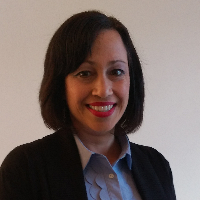
About Aparna
Aparna Bell practices an approach that centers on the person and their experience. She blends client-centered work with cognitive-behavioral and psychodynamic ideas to help people understand their thoughts and change unhelpful patterns. Aparna uses motivational interviewing and solution-focused techniques when helpful to move people toward concrete goals.
She holds an LPCC, which is the California Licensed Professional Clinical Counselor credential. Aparna has 13 years of experience in mental health and substance use treatment.
Background and approach
Her background includes work in outpatient and residential dual diagnosis and recovery settings in San Francisco. She helps people who struggle with depression, anxiety, low self-esteem, addiction, stress, and relationship concerns. Sessions are conversational and practical.
She listens closely, reflects what she hears, and looks for repeating patterns that keep problems going. Together with each person she sets goals and uses straightforward tools to shift thinking and behavior. When addiction is involved, Aparna attends to the feelings that often underlie use, such as shame, trauma, or depression.
She supports both harm-reduction and abstinence goals and works through ambivalence with motivational techniques. Her style is warm, engaged, and direct. She helps people develop healthier coping skills, clearer communication, and firmer boundaries.
Aparna aims to help clients move from feeling stuck to making steady changes that fit their life. People who value a thoughtful, empathetic listener and practical tools for change may find her approach useful.
Therapeutic approaches and online care
Client-centered therapy emphasizes listening, empathy, and working at the client's pace to build understanding and trust; it helps with low self-esteem, relationship struggles, and emotional overwhelm. Cognitive Behavioral Therapy, or CBT, focuses on identifying unhelpful thoughts and testing them with practical exercises to reduce anxiety, depression, and problematic behavior. Motivational Interviewing helps people resolve mixed feelings about change and is often used when exploring goals around addiction or behavior change.Finding the right approach is part of the work. The therapist will collaborate with each person to choose techniques that match their goals, needs, and preferences. That means trying methods, checking what helps, and adjusting the plan together rather than following a fixed script.
Online sessions are offered by video call, phone, live chat, or text-based messaging to make therapy more flexible. Video calls allow face-to-face conversation, phone sessions work when bandwidth is limited, chat can be useful for shorter check-ins, and messaging supports ongoing reflection between sessions. These options help people fit therapy into busy schedules and access consistent support across different circumstances.
Questions people ask
What concerns does she address?
How would you describe her therapy style?
What is her professional background?
What credential and region are listed?
Which languages are used in sessions?
What session formats are available?
How is cost handled?
How do I begin the process?
What this counselor works with
Most often
- Stress, Anxiety
- Addictions
- Anger management
Also listed
- Abandonment
- Antisocial personality
- Avoidant personality
- Bipolar disorder
- Blended family issues
- Career difficulties
- Chronic pain, illness, and disability
- Codependency
- Communication problems
- Control issues
- Coping with life changes
- Depression
- Drug and alcohol addiction
- Family conflicts
- Family problems
- Forgiveness
- Gender dysphoria
- Grief
- Intimacy-related issues
- Isolation / loneliness
- LGBT
- Life purpose
- Mood disorders
- Multicultural concerns
- Panic disorder and panic attacks
- Parenting issues
- Post-traumatic stress
- Prejudice and discrimination
- Relationship issues
- Self esteem
- Self-love
- Sexual assault and abuse
- Social anxiety and phobia
- Trauma and abuse
- Women's issues
- Young adult issues
Therapeutic approaches
- Experience
- 13 years
- Licensed
- California
- Languages
- English