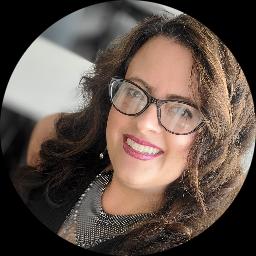
About Angela
Angela Alderman-Shotton is a licensed professional counselor practicing in Oklahoma. She uses a compassionate, person-focused approach to help people facing stress, anxiety, depression, relationship struggles, and life transitions. She combines client-centered care with practical techniques from cognitive behavioral therapy.
That means sessions often focus on clear goals, learning new skills, and understanding how thoughts and behaviors affect mood. She also draws on existential ideas to help people find meaning during hard changes.
Background and approach
Angela has eleven years of experience working with concerns such as grief, trauma and abuse, addictions, identity questions, and intimacy-related issues. She also supports people dealing with family conflict, parenting strain, blended family challenges, and issues tied to attachment and abandonment. In sessions she uses the Gottman Method for relationship work and motivational interviewing to strengthen commitment to change.
Conversations are straightforward and collaborative. She helps people notice patterns, try new ways of communicating, and make choices that fit their values. Her style aims to balance empathy with practical steps.
Clients can expect a warm, nonjudgmental presence combined with tools for coping and decision making. Angela encourages small, steady changes that build confidence over time.
Therapeutic approaches and online care
Client-centered therapy focuses on listening and understanding each person's experience. The therapist reflects back what she hears and helps people name their feelings and decide what matters most in their lives.Cognitive behavioral therapy, or CBT, looks at how thoughts and actions influence mood. It teaches practical skills to change unhelpful thinking and try new behaviors for anxiety, depression, and coping with life changes.
The therapist will help figure out which approach fits best by working together. She discusses goals, tries different techniques, and adjusts the plan based on what is helpful and what the person prefers.
Online sessions are offered by video call, phone, live chat, or text-based messaging to give flexibility. Video is useful for deeper conversational work and relationship sessions. Phone calls can be a simpler option that uses less bandwidth. Live chat and text messaging make it easier to check in between sessions or fit short conversations into a busy day.
These formats let people access consistent care from where they are and try methods that fit their schedule and needs.
Questions people ask
What kinds of concerns does she address?
How would you describe her therapeutic style?
How long has she been practicing?
Where is she licensed and based?
Which languages are supported for sessions?
Can international clients work with her?
What session formats are available?
How are costs handled and how do I begin?
What this counselor works with
Most often
- Stress, Anxiety
- Relationship issues
- Self esteem
Also listed
- Abandonment
- Addictions
- Anger management
- Attachment issues
- Bipolar disorder
- Blended family issues
- Career difficulties
- Caregiver issues and stress
- Codependency
- Commitment issues
- Communication problems
- Control issues
- Coping with life changes
- Dependent personality
- Depression
- Divorce and separation
- Domestic violence
- Emptiness
- Family conflicts
- Family of origin issues
- Family problems
- Fatherhood issues
- Forgiveness
- Grief
- Guilt and shame
- Hoarding
- Impulsivity
- Infidelity
- Intimacy-related issues
- Isolation / loneliness
- Jealousy
- LGBT
- Life purpose
- Men's issues
- Midlife crisis
- Money and financial issues
- Mood disorders
- Multicultural concerns
- Narcissism
- Obsessions, compulsions, and OCD
- Paranoia
- Parenting issues
- Personality disorders
- Seasonal Affective Disorder (SAD)
- Self-love
- Sexuality
- Social anxiety and phobia
- Trauma and abuse
- Women's issues
- Workplace issues
- Young adult issues
Therapeutic approaches
- Experience
- 11 years
- Licensed
- Oklahoma
- Languages
- English