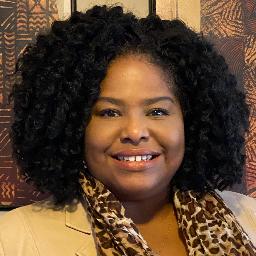
About Alisa
Alisa Branch offers a direct, interactive approach that combines practical skills with steady support. She focuses on helping people build coping skills, handle intense feelings, and improve everyday relationships. Alisa brings 14 years of counseling experience and uses concrete tasks between sessions to keep progress moving forward.
She holds a Bachelor of Arts in Psychology from the University of North Carolina at Greensboro and a Master of Science in Community Agency Counseling from North Carolina Agricultural and Technical State University.
Background and approach
Alisa is licensed as a Licensed Clinical Mental Health Counselor (LCMHC) in North Carolina and as a Licensed Professional Counselor (LPC) in Virginia. Her background includes outpatient mental health, inpatient psychiatric settings, mobile crisis work, and community medical centers. In sessions she combines Cognitive Behavioral Therapy, Dialectical Behavior Therapy, mindfulness, Motivational Interviewing, and solution-focused strategies.
That mix allows her to help people manage symptoms like anxiety, depression, and trauma responses with concrete tools and simple experiments. She also addresses relationship struggles, grief, parenting stress, addiction concerns, and questions around identity and intimacy. Her style aims to be warm, accepting, and practical.
Clients can expect feedback in session and short exercises or goals to try between meetings. The focus is on small, steady changes that make daily life feel more manageable. Alisa works with people navigating life transitions, co-occurring concerns, and long-standing patterns like codependency or abandonment fears.
She emphasizes clear communication, problem solving, and skills practice to help people regain balance and confidence.
How practical therapy methods fit online care
Alisa uses Cognitive Behavioral Therapy and Dialectical Behavior Therapy in online work. CBT focuses on identifying unhelpful thoughts and testing new behaviors to reduce anxiety, depression, and unhelpful habits. DBT teaches emotion regulation, distress tolerance, and interpersonal skills to manage intense feelings and relationship conflicts.She also draws on mindfulness and Motivational Interviewing when useful. Mindfulness teaches simple attention and breathing practices to lower reactivity. Motivational Interviewing helps people clarify what matters to them and find motivation for change. Choosing an approach is collaborative - the therapist will listen to goals and preferences, and then try methods that match the person's needs. Adjustments are made as progress unfolds so the plan stays practical and relevant.
Online sessions are offered through video calls, phone sessions, live chat, or text-based messaging. Video works well for in-depth skill teaching and role-play. Phone can be a faster check-in or helpful when bandwidth is limited. Live chat and messaging support short updates, homework review, and ongoing encouragement between meetings. These options make it easier to fit therapy into a busy schedule and to keep momentum between sessions.
Questions people ask
What kinds of concerns does she address?
What is her therapeutic style?
How long has she been practicing?
What credentials and region are listed?
Which languages are sessions offered in?
What session formats are available?
How is cost handled?
What are the steps to begin therapy?
What this counselor works with
Most often
- Stress, Anxiety
- Relationship issues
- Family conflicts
Also listed
- Abandonment
- Addictions
- ADHD
- Anger management
- Bipolar disorder
- Blended family issues
- Career difficulties
- Caregiver issues and stress
- Co-morbidity
- Codependency
- Commitment issues
- Communication problems
- Compassion fatigue
- Coping with life changes
- Depression
- Divorce and separation
- Eating disorders
- Family of origin issues
- Family problems
- Fatherhood issues
- Forgiveness
- Grief
- Guilt and shame
- Infidelity
- Intimacy-related issues
- Isolation / loneliness
- Jealousy
- LGBT
- Life purpose
- Midlife crisis
- Money and financial issues
- Mood disorders
- Multicultural concerns
- Panic disorder and panic attacks
- Parenting issues
- Post-traumatic stress
- Self esteem
- Self-love
- Sexual assault and abuse
- Social anxiety and phobia
- Trauma and abuse
- Women's issues
- Workplace issues
- Young adult issues
Therapeutic approaches
- Experience
- 14 years
- Licensed
- North Carolina, Virginia
- Languages
- English