
Rick Fulton, LPC
Texas · 30 yrs exp
Works with Stress, Anxiety / Addictions / Anger +14
Works by Cognitive Behavioral Therapy (CBT) / Mindfulness Therapy
View ProfileThe therapist listings are provided by BetterHelp and we will earn a commission if you use our link - at no cost to you.
This page lists licensed professional counselors who provide support for people coping with disasters and emergencies. Browse the listings below to review each counselor's focus areas, approaches, credentials and experience.
Texas · 30 yrs exp
Works with Stress, Anxiety / Addictions / Anger +14
Works by Cognitive Behavioral Therapy (CBT) / Mindfulness Therapy
View Profile
Michigan · 25 yrs exp
Works with Stress, Anxiety / LGBT / Relationship +11
Works by Attachment-Based Therapy / Cognitive Behavioral Therapy (CBT)
View Profile
Colorado · 17 yrs exp
Works with Relationship / Trauma and abuse / Parenting +9
Works by Acceptance and Commitment Therapy (ACT) / Attachment-Based Therapy
View Profile
Louisiana · 7 yrs exp
Works with Stress, Anxiety / Family / Trauma and abuse +16
Works by Acceptance and Commitment Therapy (ACT) / Attachment-Based Therapy
View Profile
Maryland · 6 yrs exp
Works with Stress, Anxiety / Trauma and abuse / Self esteem +11
Works by Attachment-Based Therapy / Client-Centered Therapy
View Profile
Arizona · 6 yrs exp
Works with Stress, Anxiety / Relationship / Family +12
Works by Client-Centered Therapy / Cognitive Behavioral Therapy (CBT)
View Profile
Missouri · 7 yrs exp
Works with Stress, Anxiety / Addictions / Relationship +14
Works by Client-Centered Therapy / Cognitive Behavioral Therapy (CBT)
View Profile
Texas · 10 yrs exp
Works with Stress, Anxiety / Relationship / Family +15
Works by Acceptance and Commitment Therapy (ACT) / Attachment-Based Therapy
View Profile
Ohio · 18 yrs exp
Works with Stress, Anxiety / Trauma and abuse / Grief +12
Works by Acceptance and Commitment Therapy (ACT) / Client-Centered Therapy
View Profile
Ohio · 33 yrs exp
Works with Stress, Anxiety / Family / Trauma and abuse +13
Works by Client-Centered Therapy / Cognitive Behavioral Therapy (CBT)
View Profile
Illinois · 10 yrs exp
Works with Stress, Anxiety / LGBT / Relationship +11
Works by Client-Centered Therapy / Emotionally-Focused Therapy (EFT)
View Profile
Colorado · 11 yrs exp
Works with Stress, Anxiety / LGBT / Trauma and abuse +16
Works by Acceptance and Commitment Therapy (ACT) / Client-Centered Therapy
View Profile
Texas · 8 yrs exp
Works with Stress, Anxiety / Grief / Self esteem +12
Works by Cognitive Behavioral Therapy (CBT) / Solution-Focused Therapy
View Profile
Louisiana · 10 yrs exp
Works with Stress, Anxiety / Grief / Anger +9
Works by Client-Centered Therapy / Cognitive Behavioral Therapy (CBT)
View Profile
Wisconsin · 26 yrs exp
Works with Stress, Anxiety / Self esteem / Career +12
Works by Acceptance and Commitment Therapy (ACT) / Attachment-Based Therapy
View Profile
Missouri · 14 yrs exp
Works with Stress, Anxiety / Self esteem / Career +14
Works by Acceptance and Commitment Therapy (ACT) / Attachment-Based Therapy
View Profile
Texas · 22 yrs exp
Works with Stress, Anxiety / Relationship / Trauma and abuse +17
Works by Acceptance and Commitment Therapy (ACT) / Attachment-Based Therapy
View Profile
Arizona · 30 yrs exp
Works with Stress, Anxiety / Trauma and abuse / Self esteem +12
Works by Client-Centered Therapy / Cognitive Behavioral Therapy (CBT)
View Profile
Texas · 10 yrs exp · 2 languages
Works with Stress, Anxiety / Relationship / Anger +17
Works by Cognitive Behavioral Therapy (CBT) / Solution-Focused Therapy
View Profile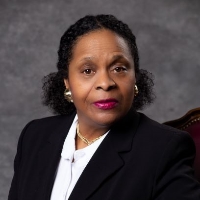
Missouri · 20 yrs exp
Works with Stress, Anxiety / Addictions / Trauma and abuse +15
Works by Client-Centered Therapy / Cognitive Behavioral Therapy (CBT)
View Profile
Mississippi · 25 yrs exp
Works with Stress, Anxiety / Relationship / Family +16
Works by Acceptance and Commitment Therapy (ACT) / Client-Centered Therapy
View Profile
Ohio · 20 yrs exp · 2 languages
Works with Stress, Anxiety / Addictions / Relationship +16
Works by Acceptance and Commitment Therapy (ACT) / Client-Centered Therapy
View Profile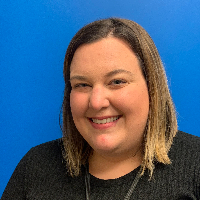
Louisiana · 5 yrs exp
Works with Stress, Anxiety / Addictions / Depression +5
Works by Client-Centered Therapy / Mindfulness Therapy
View Profile
Oregon · 15 yrs exp
Works with Stress, Anxiety / Addictions / Relationship +13
Works by Client-Centered Therapy / Cognitive Behavioral Therapy (CBT)
View Profile
Louisiana · 10 yrs exp
Works with Stress, Anxiety / Trauma and abuse / Anger +13
Works by Attachment-Based Therapy / Client-Centered Therapy
View Profile
Illinois · 12 yrs exp
Works with Trauma and abuse / Self esteem / Coping with life changes +9
Works by Acceptance and Commitment Therapy (ACT) / Attachment-Based Therapy
View Profile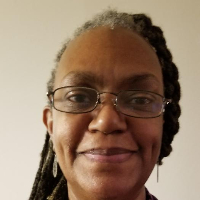
Maryland · 25 yrs exp
Works with Stress, Anxiety / Addictions / Relationship +13
Works by Acceptance and Commitment Therapy (ACT) / Client-Centered Therapy
View Profile
Texas · 4 yrs exp
Works with Stress, Anxiety / Trauma and abuse / Parenting +14
Works by Client-Centered Therapy / Cognitive Behavioral Therapy (CBT)
View Profile
Louisiana · 28 yrs exp
Works with Stress, Anxiety / Relationship / Grief +16
Works by Acceptance and Commitment Therapy (ACT) / Attachment-Based Therapy
View Profile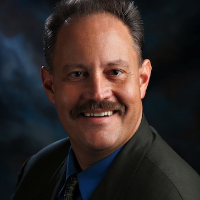
Louisiana · 25 yrs exp
Works with Addictions / Relationship / Family +12
Works by Client-Centered Therapy / Cognitive Behavioral Therapy (CBT)
View Profile
Pennsylvania · 13 yrs exp
Works with Stress, Anxiety / Trauma and abuse / Grief +13
Works by Acceptance and Commitment Therapy (ACT) / Client-Centered Therapy
View Profile
Texas · 11 yrs exp · 2 languages
Works with Stress, Anxiety / Anger / Self esteem +9
Works by Acceptance and Commitment Therapy (ACT) / Client-Centered Therapy
View Profile
Texas · 26 yrs exp
Works with Stress, Anxiety / Relationship / Trauma and abuse +12
Works by Client-Centered Therapy / Cognitive Behavioral Therapy (CBT)
View Profile
Michigan · 13 yrs exp
Works with Stress, Anxiety / Addictions / Trauma and abuse +17
Works by Acceptance and Commitment Therapy (ACT) / Client-Centered Therapy
View Profile
Minnesota · 7 yrs exp
Works with Stress, Anxiety / LGBT / Trauma and abuse +10
Works by Client-Centered Therapy / Cognitive Behavioral Therapy (CBT)
View Profile
Texas · 18 yrs exp
Works with Stress, Anxiety / Addictions / LGBT +15
Works by Attachment-Based Therapy / Client-Centered Therapy
View Profile
North Carolina · 20 yrs exp
Works with Stress, Anxiety / Parenting / Self esteem +16
Works by Acceptance and Commitment Therapy (ACT) / Client-Centered Therapy
View Profile
Georgia · 20 yrs exp
Works with Stress, Anxiety / Addictions / Relationship +12
Works by Cognitive Behavioral Therapy (CBT) / Mindfulness Therapy
View Profile
Alabama · 24 yrs exp
Works with Stress, Anxiety / Addictions / Self esteem +15
Works by Client-Centered Therapy / Cognitive Behavioral Therapy (CBT)
View Profile
South Carolina · 20 yrs exp
Works with Stress, Anxiety / Relationship / Trauma and abuse +12
Works by Client-Centered Therapy / Cognitive Behavioral Therapy (CBT)
View Profile
Wisconsin · 30 yrs exp
Works with Stress, Anxiety / Relationship / Family +10
Works by Client-Centered Therapy / Solution-Focused Therapy
View Profile
Kansas · 35 yrs exp
Works with Stress, Anxiety / Trauma and abuse / Grief +14
Works by Acceptance and Commitment Therapy (ACT) / Cognitive Behavioral Therapy (CBT)
View Profile
Missouri · 20 yrs exp
Works with Stress, Anxiety / Relationship / Family +5
Works by Acceptance and Commitment Therapy (ACT) / Client-Centered Therapy
View Profile
Texas · 17 yrs exp
Works with Stress, Anxiety / Addictions / Self esteem +16
Works by Client-Centered Therapy / Cognitive Behavioral Therapy (CBT)
View Profile
New Jersey · 52 yrs exp · 2 languages
Works with Stress, Anxiety / Relationship / Grief +3
Works by Acceptance and Commitment Therapy (ACT) / Attachment-Based Therapy
View Profile
Oklahoma · 9 yrs exp
Works with Stress, Anxiety / Anger / Self esteem +17
Works by Acceptance and Commitment Therapy (ACT) / Attachment-Based Therapy
View Profile
South Carolina · 15 yrs exp
Works with Stress, Anxiety / Trauma and abuse / Anger +14
Works by Acceptance and Commitment Therapy (ACT) / Attachment-Based Therapy
View Profile
Texas · 15 yrs exp
Works with Stress, Anxiety / Addictions / LGBT +12
Works by Acceptance and Commitment Therapy (ACT) / Attachment-Based Therapy
View ProfileDisaster relief counseling refers to the professional support people seek after natural events, technological accidents, or other large-scale disruptions that overwhelm usual coping resources. You may look for this kind of support when an event has caused loss, displacement, injury, economic hardship, or ongoing uncertainty. The term spans immediate crisis intervention after an event as well as longer-term work that addresses grief, practical adjustment, and rebuilding a sense of safety and routine. On this directory you will find counselors who hold a state-issued license as a Licensed Professional Counselor (LPC), or the equivalent titles used in some states - LPCC or LCPC. Those licensure names reflect how each state regulates the profession rather than a single national title.
Emotional and practical reactions to disasters vary widely. Some people experience intense short-term distress that eases with basic supports, while others have persistent anxiety, intrusive memories, sleep disruption, or difficulty returning to work or school. Household and community systems such as housing, schooling, employment, and social supports often change suddenly, and you may need help adapting to those changes as much as you need help processing the event itself. Licensed professional counselors focus on functioning and goals, which makes them a common choice when you want practical coping skills and a plan for moving forward in daily life as well as space to process what happened.
Deciding to reach out often happens when day-to-day functioning becomes harder than it used to be. You might notice trouble sleeping or concentrating, amplified startle responses, irritability with family members, or avoidance of places and people that remind you of the event. Physical symptoms such as headaches, stomach problems, or increased use of substances can also accompany emotional distress. If you are caring for children, you might see changes in their play, school performance, or behavior that signal they are struggling to cope.
If practical tasks like paying bills, getting to appointments, or returning to work are delayed because of overwhelming feelings, a counselor who lists disaster relief or trauma among their focus areas can help you identify immediate coping steps and a longer-term plan. You do not need a diagnosis to benefit from counseling. Licensed professional counselors are trained to assess how you are functioning now and what you want to get back to or achieve, and then to work with you on realistic steps toward those goals.
Your first conversations typically focus on understanding your current situation and priorities. A counselor who holds an LPC, LPCC, or LCPC will ask about what happened, how you and your household were affected, current stressors, immediate safety or housing needs, and what you hope to gain from counseling. Because state boards issue and renew these licenses, counselors have met graduate education requirements, a supervised postgraduate practice period commonly running two to three years and several thousand hours, and a national examination. This background supports a clinical assessment that emphasizes how you are functioning and what you are working toward.
Early sessions often emphasize stabilization - helping you manage overwhelming emotions, establish routines, and connect to essential community resources. Over time you may shift toward processing the event, rebuilding social supports, addressing grief, or developing strategies for returning to daily roles. The counselor’s approach will reflect their training and areas of focus. Counseling with a licensed professional counselor is typically goal-oriented and centered on your functioning, meaning you and the counselor work together to set priorities that matter to your daily life.
Licensed professional counselors use a range of therapeutic approaches and may list different methods in their profiles. You may find counselors who list cognitive-behavioral strategies among their approaches, those who note emotion-focused or narrative methods, and counselors who list trauma-specific techniques. When an approach name appears in a profile it indicates the counselor lists it among the ways they work, not a formal guarantee of any specific credential. You may also see counselors who list group-based crisis counseling or community outreach experience, which can be useful when you are seeking mutual support or connection to others affected by the same event.
In addition to talk-based interventions, counselors often integrate practical tools such as breathing and grounding exercises, sleep hygiene planning, and coping plans for triggers. They may coordinate with other providers or community services for housing, legal resources, or medical care when those needs intersect with emotional recovery. Because counseling with a licensed professional counselor tends to emphasize wellness and developmental goals, the work often includes concrete steps you can use to restore routines, reengage with relationships, and set achievable short-term objectives.
Online counseling has become a common option for people seeking support after a disaster, especially when displacement, transportation barriers, or local service shortages make in-person visits difficult. When you consider online options, note that state boards regulate where a counselor can practice. A counselor’s license - whether called LPC, LPCC, or LCPC - indicates the state board that issued it, and that board’s rules determine whether the counselor is authorized to provide care across state lines. Profiles on this site list the counselor’s license type so you can identify what credential they hold and where that credential applies.
Online sessions typically use video or phone formats and follow a similar structure to in-person counseling, with an initial assessment, safety planning, and ongoing work toward your goals. You should expect the counselor to discuss emergency planning for your current location, including local contacts and steps to take if risk grows. Technology requires a reliable connection and a quiet place where you feel comfortable speaking. If you are in a shelter or shared housing, ask the counselor about how to find moments of privacy or a private space, such as a community room, where you can talk without interruption.
Start by looking at the counselor’s listed focus areas and experience with disaster-related challenges that match your situation. Pay attention to the license shown in the profile - LPC, LPCC or LCPC - and the state where it was issued, since each state board sets different rules and titles. In some states LPCC or LCPC is the title used instead of LPC; in other states those names may coexist with different stage requirements. When that distinction matters, it reflects the state's naming and regulatory structure rather than a ranking of clinicians.
Compare profiles for approaches, population focus such as children or first responders, languages spoken, and experience with community-based or group work if that matters to you. Consider what you want from counseling - immediate coping tools, help with grief and loss, assistance with rebuilding routines, or long-term recovery work - and look for counselors who describe similar goals in their profile. Before beginning, you may want to ask about the counselor’s experience working with similar disaster scenarios, what a typical session looks like, how they handle crisis planning in your area, and what role family or community supports might play in your plan. These topics help you evaluate fit without relying on outcome claims or ratings.
Licensed professional counselors are regulated by state boards and have completed graduate training, supervised postgraduate experience, and a national exam. That regulatory framework is what this directory uses to identify the professionals listed here. Use the information in profiles to match focus, approach, and experience to your needs, and to prepare questions that help you find a counselor whose way of working aligns with your priorities for recovery.
Alabama
238 therapists
Alaska
20 therapists
Arizona
196 therapists
Arkansas
116 therapists
California
174 therapists
Colorado
346 therapists
Connecticut
79 therapists
Delaware
4 therapists
District of Columbia
26 therapists
Florida
152 therapists
Georgia
623 therapists
Hawaii
5 therapists
Idaho
90 therapists
Illinois
383 therapists
Indiana
22 therapists
Iowa
11 therapists
Kansas
41 therapists
Kentucky
128 therapists
Louisiana
310 therapists
Maine
42 therapists
Maryland
174 therapists
Massachusetts
5 therapists
Michigan
318 therapists
Minnesota
117 therapists
Mississippi
151 therapists
Missouri
388 therapists
Montana
78 therapists
Nebraska
12 therapists
Nevada
36 therapists
New Hampshire
7 therapists
New Jersey
261 therapists
New Mexico
61 therapists
New York
32 therapists
North Carolina
89 therapists
North Dakota
12 therapists
Ohio
281 therapists
Oklahoma
278 therapists
Oregon
89 therapists
Pennsylvania
523 therapists
Rhode Island
4 therapists
South Carolina
281 therapists
South Dakota
28 therapists
Tennessee
143 therapists
Texas
1899 therapists
Utah
19 therapists
Vermont
8 therapists
Virginia
287 therapists
Washington
19 therapists
West Virginia
46 therapists
Wisconsin
210 therapists
Wyoming
45 therapists