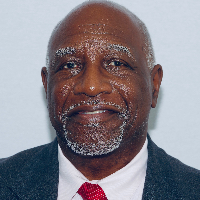
About Wayne
Wayne Groves uses a practical, person-focused approach to counseling. He combines client-centered listening with tools from cognitive behavioral and trauma-focused work to help people manage stress, anxiety, grief, and other difficult life challenges. Wayne is a Licensed Professional Counselor and has been practicing for 25 years in Michigan and previously in Nebraska.
He aims to help people gain clearer self-awareness and everyday coping skills. Sessions focus on identifying barriers that interfere with daily tasks and finding concrete steps to move forward.
Background and approach
Wayne emphasizes turning obstacles into opportunities by building skills and strengthening resilience. Much of his background includes work with trauma related to law enforcement and first responder concerns, and he also supports people facing relationship strain, addiction, career stress, and end-of-life issues. He has training that addresses the specific stresses that can follow traumatic events and repeated exposure to crisis.
In the room he blends listening with active strategies. Cognitive behavioral techniques help people reframe unhelpful thoughts and try new behaviors. Motivational interviewing supports making lasting changes when motivation is mixed.
Wayne welcomes conversations about practical goals like managing anger, improving communication, coping with bereavement, or reducing anxiety. He works with people to set clear, achievable steps and to track progress over time.
How Wayne’s approaches translate to online care
Client-Centered Therapy focuses on listening closely and reflecting what matters most to the person seeking help. It’s useful when someone needs a space to be heard, to make sense of feelings, and to decide practical next steps. Cognitive Behavioral Therapy, or CBT, looks at how thoughts, feelings, and behaviors interact and offers hands-on exercises to reduce anxiety, manage mood, and change unhelpful patterns.Finding the right approach is part of the process. Wayne collaborates with each person to see which methods fit their goals and life circumstances. He checks in about what’s working and adjusts techniques so sessions remain useful and realistic.
Online sessions are offered by video calls, phone, live chat, or text-based messaging. Video works well for in-depth conversations and skill practice. Phone sessions can fit a short break from work or when bandwidth is limited. Live chat and text messaging can help with quick check-ins, homework, or ongoing support between longer sessions. These options make it easier to match therapy to a busy schedule and to use the format that helps someone stay engaged.
Questions people ask
What concerns does he typically address?
What is his general therapy style?
How much experience does he bring?
What credentials and location are listed?
Which languages are supported for sessions?
What formats are available for sessions?
How does pricing work?
What should I do to begin working together?
What this counselor works with
Most often
- Stress, Anxiety
- Relationship issues
- Trauma and abuse
Also listed
- Addictions
- Anger management
- Cancer
- Career difficulties
- Coaching
- Communication problems
- Compassion fatigue
- Coping with life changes
- Coping with natural or human-caused disaster
- Depression
- Divorce and separation
- Emptiness
- Family conflicts
- Family problems
- First responder issues
- Forgiveness
- Grief
- Guilt and shame
- Hospice and end-of-life counseling
- Infidelity
- Intimacy-related issues
- Isolation / loneliness
- Jealousy
- LGBT
- Men's issues
- Money and financial issues
- Multicultural concerns
- Obsessions, compulsions, and OCD
- Parenting issues
- Personality disorders
- Post-traumatic stress
- Prejudice and discrimination
- Process addiction (porn, exercise, gambling)
- Self esteem
- Self-love
- Social anxiety and phobia
- Veteran and Armed Forces Issues
Therapeutic approaches
- Experience
- 25 years
- Licensed
- Michigan
- Languages
- English