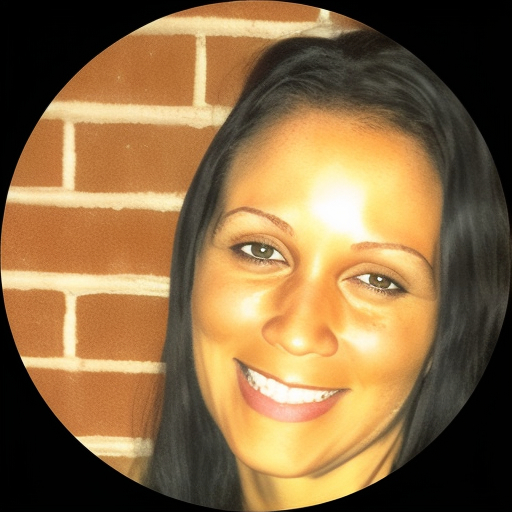
About Vallerie
Dr. Vallerie Hancock helps people facing stress, anxiety, depression, relationship strain, addiction, grief, and questions about identity and intimacy. She is a Licensed Professional Counselor, LPC, practicing in Arizona with 15 years of experience.
She focuses on practical steps people can use right away. Her style is direct and compassionate. Sessions often focus on small, doable changes that build over time.
She listens for values and goals, then works with clients to set clear next steps they can try between sessions.
Background and approach
She uses methods drawn from cognitive behavioral approaches and acceptance-based work, along with client-centered and solution-focused techniques. That means conversations that look at thoughts and habits, learn new ways to respond, and find concrete solutions for current problems. Dr.
Hancock also brings experience helping people who have faced trauma, domestic violence, or sexual assault. She supports recovery from self-harm urges, mood disorders, and issues like seasonal affective disorder and bipolar concerns. She emphasizes self-love and discovering purpose as part of long-term healing.
Sessions accommodate different communication styles, including video, phone, live chat, and text messaging. English is offered. People who live outside the United States are not accepted for work with this practice.
To begin, people complete a short questionnaire and schedule a session that fits their needs.
How her approaches translate to online therapy
Acceptance and Commitment Therapy, ACT, helps people notice unhelpful thoughts and choose actions that match their values. It can be useful for anxiety, depression, life changes, and finding direction. Cognitive Behavioral Therapy, CBT, focuses on identifying patterns of thinking and behavior and testing new ways of responding to reduce symptoms and improve daily functioning.Finding the right approach is part of the work together. The therapist will discuss goals, preferences, and what feels most helpful, then tailor sessions using elements from ACT, CBT, client-centered, or solution-focused work as needed. This collaborative process means the plan can change as goals evolve.
Online sessions are offered through video calls, phone sessions, live chat, or text-based messaging to make care flexible. Video is useful for deeper conversation and visual cues, phone works when bandwidth is limited, live chat can be a quick check-in, and messaging lets people reflect between sessions. These options make it easier to fit therapy into busy schedules and to use a format that matches communication style and day-to-day needs.
Questions people ask
What concerns does Dr. Hancock address?
How would you describe her therapeutic style?
What background and experience does she bring?
What credential and location are listed?
Which languages are supported and can she work internationally?
What session formats are available?
How does cost and billing work?
How do I start therapy with her?
What this counselor works with
Most often
- Stress, Anxiety
- Relationship issues
- Self esteem
Also listed
- Addictions
- Antisocial personality
- Bipolar disorder
- Career difficulties
- Coping with life changes
- Depression
- Disruptive Mood Dysregulation Disorder (DMDD)
- Domestic violence
- First responder issues
- Grief
- Intimacy-related issues
- LGBT
- Life purpose
- Mood disorders
- Seasonal Affective Disorder (SAD)
- Self-harm
- Self-love
- Sexual assault and abuse
- Social anxiety and phobia
- Trauma and abuse
- Women's issues
- Young adult issues
Therapeutic approaches
- Experience
- 15 years
- Licensed
- Arizona
- Languages
- English