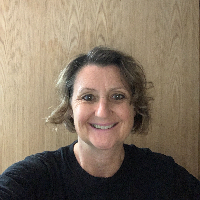
About Tamara
Tamara Banks is a Licensed Professional Counselor who brings more than two decades of experience to her work. She focuses on practical, down-to-earth support for people facing anxiety, stress, depression, grief, relationship and family challenges, trauma, and issues with self-esteem and eating. Her style is direct and compassionate, aimed at helping people make steady progress in day-to-day life.
Tamara adapts her approach to each person. She draws on client-centered methods that prioritize the person's perspective.
Background and approach
She also uses cognitive behavioral techniques to help change unhelpful thoughts and behaviors, and solution-focused strategies to set clear, manageable goals. Her background includes many years working with school-aged clients through adulthood in West Virginia, including roles in school counseling and higher education.
That experience informs how she talks with parents and individuals about practical steps they can take at home and at school to support a young person or an adult facing life changes. In sessions she prioritizes straightforward conversation and concrete strategies. People can expect a mix of talking through problems, trying small experiments, and setting goals to measure progress.
She emphasizes finding a good match between therapist and client and adjusts methods to fit each person's needs. Tamara supports work on a wide range of concerns such as addictions, bipolar disorder, parenting strain, caregiver stress, communication problems, and coping after trauma or loss. She offers care in English and practices in West Virginia as an LPC.
How Tamara’s Approaches Work Online
Client-centered therapy focuses on the person’s own goals and perspective. The therapist listens closely and reflects what matters to the client so sessions feel guided by the client’s experience. This approach helps with self-esteem, relationship strain, parenting worries, and general life stress.Cognitive behavioral therapy (CBT) helps identify unhelpful thoughts and habits and then replace them with more helpful ones. It is useful for anxiety, depression, anger, and coping after trauma because it emphasizes practical steps and small experiments between sessions.
Finding the right approach is part of the work. The therapist will discuss goals, preferences, and what has or hasn’t helped before. Together they decide which methods to try and adjust them as progress is made, keeping the process collaborative and grounded in real-life needs.
Online formats available include video calls, phone sessions, live chat, and text-based messaging. Video calls allow face-to-face conversation when visual cues help. Phone sessions can be easier when bandwidth is limited or a shorter check-in is needed. Live chat and text-based messaging let people share between sessions or keep a lighter, more frequent line of contact. These options make it easier to fit therapy into school, work, and family schedules.
Questions people ask
What concerns does she address?
What is her therapeutic style like?
How much experience does she have?
Where does she practice and what are her credentials?
Which languages are supported for sessions?
Can she work with international clients?
What session formats are available?
How are costs and getting started handled?
What this counselor works with
Most often
- Stress, Anxiety
- Family conflicts
- Trauma and abuse
Also listed
- Abandonment
- Addictions
- Adoption and foster care
- Aging and geriatric issues
- Anger management
- Antisocial personality
- Avoidant personality
- Bipolar disorder
- Blended family issues
- Body image
- Career difficulties
- Caregiver issues and stress
- Co-morbidity
- Codependency
- Commitment issues
- Communication problems
- Control issues
- Coping with life changes
- Coping with natural or human-caused disaster
- Dependent personality
- Depression
- Disruptive Mood Dysregulation Disorder (DMDD)
- Dissociation
- Divorce and separation
- Domestic violence
- Drug and alcohol addiction
- Eating and food-related issues
- Eating disorders
- Emptiness
- Family of origin issues
- Family problems
- Fatherhood issues
- First responder issues
- Forgiveness
- Grief
- Guilt and shame
- Hoarding
- Impulsivity
- Infidelity
- Intellectual disability
- Isolation / loneliness
- Jealousy
- Life purpose
- Midlife crisis
- Money and financial issues
- Mood disorders
- Narcissism
- Obsessions, compulsions, and OCD
- Panic disorder and panic attacks
- Paranoia
- Parenting issues
- Personality disorders
- Phobias
- Post-traumatic stress
- Relationship issues
- Seasonal Affective Disorder (SAD)
- Self esteem
- Self-harm
- Self-love
- Sexual assault and abuse
- Smoking / vaping cessation
- Social anxiety and phobia
- Trichotillomania
- Visually impaired
- Women's issues
- Workplace issues
- Young adult issues
Therapeutic approaches
- Experience
- 22 years
- Licensed
- West Virginia
- Languages
- English