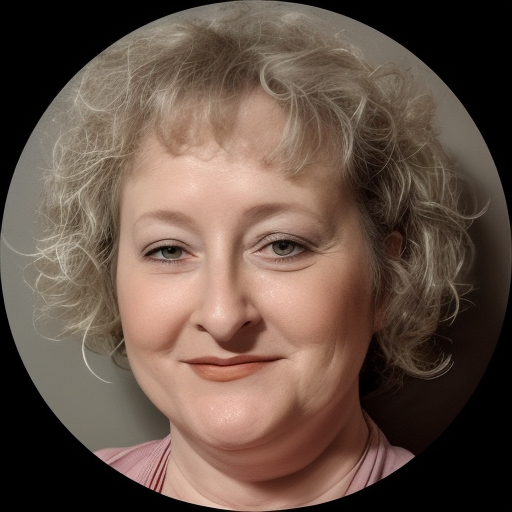
About Susan
Susan Lockard is a licensed professional counselor in Pennsylvania who helps people facing stress, anxiety, depression, trauma, and major life changes. She works with adults who want clearer thinking, steadier moods, and better ways to cope. Sessions focus on practical steps and steady support rather than jargon or quick fixes.
Susan keeps the room straightforward and calm. She listens first to understand what feels hardest, then helps people set small, realistic goals.
Background and approach
Therapy may include learning new coping skills, practicing ways to manage intense feelings, and trying different ways of thinking about problems. Her work blends short-term tools with deeper exploration. Clients may use exercises to reduce panic or anxiety, practice communication techniques, and examine patterns that keep old wounds active.
She also assists people dealing with grief, caregiver stress, feelings of emptiness, and identity concerns such as LGBT issues. Across 16 years in practice Susan has focused on making therapy usable in daily life. She aims to help people notice changes that matter and build habits that last.
This includes skills for impulsivity, anger, and relationship tensions rooted in family of origin problems. Susan’s style is collaborative and respectful. She often combines client-centered listening with evidence-based methods to meet each person’s needs.
Sessions are offered in English for adults in Pennsylvania who want practical, steady help moving forward.
How Susan’s Approaches Work Online
Susan draws on cognitive behavioral therapy and mindfulness-based techniques to help people manage difficult emotions and habits. CBT focuses on identifying unhelpful thoughts and testing new ways of thinking to reduce anxiety and depression. Mindfulness therapy teaches simple attention and breathing practices to lower reactivity and improve focus.She also uses client-centered methods that emphasize listening and collaboration. That means the therapist will ask about goals, preferences, and what has or hasn’t helped before. Together the client and therapist decide which approach or mix of approaches fits best and adjust methods over time based on progress.
Online therapy offers flexible ways to connect that fit many schedules. Video calls let people use face-to-face conversation for skill practice and deeper work. Phone sessions can be easier when bandwidth is low or a shorter check-in is needed. Live chat and text-based messaging allow for brief updates, coaching between sessions, or written reflection that some people find helpful.
These formats make it simpler to keep therapy consistent while juggling work, caregiving, or travel. The therapist will discuss which option supports each person’s goals and adapt techniques so they work well in the chosen format.
Questions people ask
What concerns does she address?
How would you describe her therapeutic style?
What kind of experience does she have?
What credentials and location apply?
What languages and international options are available?
Which session formats are offered?
How does billing and cost work?
What are the first steps to begin therapy?
What this counselor works with
Also listed
- Abandonment
- ADHD
- Anger management
- Caregiver issues and stress
- Communication problems
- Compassion fatigue
- Coping with life changes
- Depression
- Dissociation
- Emptiness
- Family conflicts
- Family of origin issues
- Family problems
- Forgiveness
- Grief
- Guilt and shame
- Impulsivity
- Isolation / loneliness
- LGBT
- Life purpose
- Midlife crisis
- Mood disorders
- Panic disorder and panic attacks
- Parenting issues
- Post-traumatic stress
- Seasonal Affective Disorder (SAD)
- Self-harm
- Self-love
- Sexual assault and abuse
- Social anxiety and phobia
- Women's issues
Therapeutic approaches
- Experience
- 16 years
- Licensed
- Pennsylvania
- Languages
- English