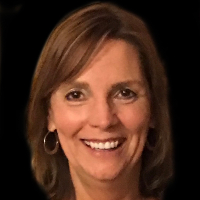
About Susan
Dr. Susan Eaton is a Licensed Professional Counselor who brings 28 years of experience to her work with adults facing anxiety, depression, addictions, trauma, and relationship or family stress. She speaks plain language and focuses on practical steps people can use right away.
Her approach centers on helping clients notice what matters to them and take manageable actions toward those goals. She favors a collaborative, respectful style that treats people as individuals.
Background and approach
Sessions emphasize real-life skills such as coping with strong emotions, improving communication, and building routines for better sleep and eating. The first meetings often prioritize what feels most urgent and realistic for each person. Clinically, she draws on Acceptance and Commitment Therapy, Cognitive Behavioral Therapy, and Client-Centered Therapy to tailor work to the problem at hand.
She also integrates Dialectical Behavior Therapy and Emotionally-Focused Therapy techniques when those tools fit a client’s needs. Treatment plans focus on present challenges and practical tools rather than labels. Her background includes work with trauma, grief, caregiver stress, first responder issues, and co-occurring substance use concerns.
That experience informs straightforward strategies for managing guilt, shame, anger, and low self-esteem. She listens for each person’s values and priorities before suggesting steps forward. Sessions are offered from Texas and are delivered in English.
Many people appreciate that she combines a warm, supportive tone with concrete skill-building so they leave sessions with clear things to try between meetings.
Therapeutic approaches and online care
Acceptance and Commitment Therapy helps people clarify their values and take small, meaningful steps toward them while learning to live with difficult thoughts and feelings. Cognitive Behavioral Therapy focuses on changing unhelpful thinking and behavior patterns to reduce anxiety, depression, and stress. Client-Centered Therapy centers the person’s experience and uses empathic listening to help clients feel understood and to guide their own change.Choosing the right approach is a collaborative process. The therapist will work with each person to identify goals, try different strategies, and adjust methods based on what helps most. That process makes therapy more useful and tailored to someone’s daily life and priorities.
Online therapy offers practical benefits such as flexible scheduling and easier access from different places. Video calls allow face-to-face interaction, phone sessions work well when bandwidth is limited, live chat can be a quick check-in, and text-based messaging supports ongoing reflection between meetings. These options make it simpler to fit therapy into work, caregiving, or busy routines while focusing on the skills and steps that matter most.
Questions people ask
What kinds of concerns can be addressed here?
How would therapy feel day to day?
How long has this counselor practiced?
What credentials and location apply?
Can sessions be provided in other languages or internationally?
What formats are available for sessions?
How does cost and payment work?
What do I do to get started?
What this counselor works with
Most often
- Addictions
- Trauma and abuse
- Anger management
Also listed
- Abandonment
- ADHD
- Bipolar disorder
- Blended family issues
- Caregiver issues and stress
- Co-morbidity
- Codependency
- Communication problems
- Compassion fatigue
- Control issues
- Coping with life changes
- Depression
- Disruptive Mood Dysregulation Disorder (DMDD)
- Divorce and separation
- Drug and alcohol addiction
- Eating disorders
- Family conflicts
- Family of origin issues
- Family problems
- First responder issues
- Forgiveness
- Grief
- Guilt and shame
- Hospice and end-of-life counseling
- Impulsivity
- Intimacy-related issues
- Isolation / loneliness
- Life purpose
- Mood disorders
- Panic disorder and panic attacks
- Parenting issues
- Personality disorders
- Post-traumatic stress
- Relationship issues
- Self esteem
- Self-love
- Sleeping disorders
- Stress, Anxiety
- Traumatic brain injury
- Veteran and Armed Forces Issues
- Women's issues
- Young adult issues
Therapeutic approaches
- Acceptance and Commitment Therapy (ACT)
- Client-Centered Therapy
- Cognitive Behavioral Therapy (CBT)
- Dialectical Behavior Therapy (DBT)
- Emotionally-Focused Therapy (EFT)
- Existential Therapy
- Mindfulness Therapy
- Motivational Interviewing
- Narrative Therapy
- Psychodynamic Therapy
- Solution-Focused Therapy
- Trauma-Focused Therapy
- Experience
- 28 years
- Licensed
- Texas
- Languages
- English