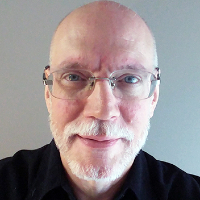
About Steve
Steve Hammond is a licensed professional counselor (LPC) with eleven years of practice experience. He listens first, then helps people sort through stress and relationship problems so they can choose practical next steps. He makes space for honest conversation about sexual orientation and other sensitive topics without judgment.
His approach blends evidence-based techniques with his personal faith background, while keeping sessions focused on the person's goals. Steve uses straightforward questions and reflections to help people see patterns and try small changes.
Background and approach
Sessions often include concrete tools to manage anxiety, mood shifts, or troubling memories. People come to him for help with depression, anxiety, grief, and problems with intimacy or communication. He also supports those dealing with addiction, trauma and abuse, and life transitions.
Steve works with concerns tied to family of origin, adoption or foster care, and issues like codependency and body image. In session he mixes client-centered listening with practical strategies drawn from cognitive behavioral and narrative methods. Motivational interviewing elements help when someone is trying to change habits or address substance use.
The goal is steady progress through short-term skills and clearer personal stories. Steve practices in Georgia and offers sessions in English and Dutch. He aims to create a calm setting where people can speak honestly, try new ways of relating, and leave with an action plan they feel ready to use.
How therapy approaches translate to online care
Client-centered therapy focuses on empathic listening and helping the person set their own goals. In online sessions this means the therapist spends time understanding your priorities and mirrors back what matters to you so you can decide next steps.Cognitive behavioral therapy (CBT) targets unhelpful thoughts and behaviors and replaces them with practical skills. Online CBT often includes short exercises, worksheets, and homework that can be reviewed during a video call or sent by message between sessions.
Dialectical behavior therapy (DBT) offers skills for emotional regulation and distress tolerance. Those skills can be taught in brief demonstrations during video or phone sessions and reinforced through text check-ins or chat practice.
Finding the best approach is part of the work together. The therapist will talk with each person about goals, preferences, and what has or hasn’t helped before. From there he and the client choose or blend methods so sessions fit how the person learns and changes.
Online sessions offer practical flexibility. Video calls let the therapist and client see facial cues and try role plays. Phone sessions work well when bandwidth is low or camera use is unwanted. Live chat and text messaging suit short check-ins, coach-style reminders, and follow-up between longer meetings. These options make it easier to keep continuity while juggling school, work, or caregiving responsibilities.
Questions people ask
What concerns does Steve commonly help with?
What is his therapeutic style like?
How long has he been practicing?
Where is he licensed and based?
Which languages are supported for sessions?
What session formats are available online?
How are fees handled?
How do I begin a therapy process?
What this counselor works with
Most often
- Stress, Anxiety
- LGBT
- Relationship issues
Also listed
- Abandonment
- Addictions
- Adoption and foster care
- Anger management
- Attachment issues
- Bipolar disorder
- Blended family issues
- Body image
- Codependency
- Commitment issues
- Communication problems
- Compassion fatigue
- Control issues
- Coping with life changes
- Depression
- Divorce and separation
- Drug and alcohol addiction
- Family conflicts
- Family of origin issues
- Family problems
- Fatherhood issues
- Forgiveness
- Gender dysphoria
- Grief
- Guilt and shame
- Infidelity
- Intimacy-related issues
- Isolation / loneliness
- Jealousy
- Life purpose
- Men's issues
- Midlife crisis
- Mood disorders
- Multicultural concerns
- Narcissism
- Obsessions, compulsions, and OCD
- Panic disorder and panic attacks
- Parenting issues
- Post-traumatic stress
- Postpartum depression
- Prejudice and discrimination
- Process addiction (porn, exercise, gambling)
- Self esteem
- Self-harm
- Sex addiction
- Sexual assault and abuse
- Sexual dysfunction
- Sexuality
- Trauma and abuse
- Women's issues
- Workplace issues
- Young adult issues
Therapeutic approaches
- Experience
- 11 years
- Licensed
- Georgia
- Languages
- English, Dutch