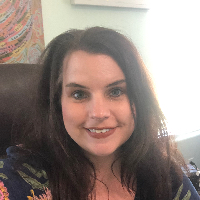
About Stephanie
Stephanie Thomas is a Licensed Professional Counselor (LPC) based in Texas with 20 years of clinical experience. She aims to create a warm, respectful space where people can talk through stress, anxiety, depression, and relationship struggles. Her approach is direct and practical, focused on helping people manage day-to-day problems and long-term patterns.
She uses tools from cognitive behavioral therapy to help people notice unhelpful thoughts and try new behaviors. Dialectical behavior therapy skills are offered for emotion regulation, distress tolerance, and improving communication.
Background and approach
Attachment-based ideas guide work on how early relationships shape current connections and intimacy. Stephanie has worked across roles including therapist and clinical leadership. That background means she brings both hands-on counseling experience and an understanding of systems that affect care.
She has supported people facing trauma, abuse, complex mood disorders such as bipolar disorder, and grief after significant loss. Her practice also addresses parenting strain, family conflict, codependency, and life transitions like separation or career change. She helps people cope with shame, guilt, impulsivity, and feelings of isolation.
LGBT concerns and questions about life purpose are included in the topics she addresses. Sessions focus on clear goals, practical skills, and steady progress. People who choose her can expect collaborative planning, concrete exercises to practice between sessions, and a calm, steady presence during hard conversations.
How therapy approaches translate to online care
Acceptance and Commitment Therapy (ACT) helps people notice painful thoughts and choose actions that match their values. Online ACT often uses short exercises and values work to guide real-life changes. Cognitive Behavioral Therapy (CBT) focuses on identifying unhelpful thinking and testing new behaviors; it works well through structured video sessions and homework assignments that can be reviewed over messaging. Attachment-Based Therapy looks at patterns in relationships and helps people try new ways of relating; this approach can be discussed in depth via video or phone where subtle interaction patterns can be noticed.Choosing an approach is a collaborative process. The therapist will talk with the client about goals, symptoms, and preferences and will suggest strategies that fit the person's life. Plans can combine approaches and change over time based on what is helping.
Online formats offered include video calls, phone sessions, live chat, and text-based messaging, which give flexibility for different days and needs. Video is useful when visual cues matter, phone works when bandwidth is limited or a shorter check-in is needed, and messaging supports quick updates or work between sessions. These options help people fit therapy into work, family life, or travel while keeping momentum between meetings.
Questions people ask
What concerns does she help with?
What is her therapeutic style like?
What experience does she bring?
Where is she licensed and practicing?
In which languages are sessions available?
What session formats are offered?
How are costs handled?
How do I begin working together?
What this counselor works with
Most often
- Stress, Anxiety
- Trauma and abuse
- Career difficulties
Also listed
- Abandonment
- ADHD
- Anger management
- Attachment issues
- Bipolar disorder
- Blended family issues
- Codependency
- Commitment issues
- Communication problems
- Compassion fatigue
- Coping with life changes
- Depression
- Divorce and separation
- Family conflicts
- Family of origin issues
- Family problems
- Forgiveness
- Grief
- Guilt and shame
- Impulsivity
- Infidelity
- Intimacy-related issues
- Isolation / loneliness
- LGBT
- Life purpose
- Midlife crisis
- Money and financial issues
- Mood disorders
- Narcissism
- Panic disorder and panic attacks
- Paranoia
- Parenting issues
- Personality disorders
- Post-traumatic stress
- Postpartum depression
- Relationship issues
- Seasonal Affective Disorder (SAD)
- Self esteem
- Self-harm
- Self-love
- Women's issues
- Workplace issues
- Young adult issues
Therapeutic approaches
- Experience
- 20 years
- Licensed
- Texas
- Languages
- English