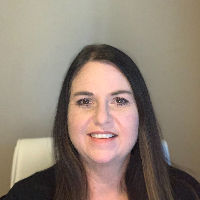
About Rebecca
Rebecca McDow is a Licensed Professional Counselor who helps adults manage stress, anxiety, grief, depression, and life changes. She speaks directly and calmly, aiming to make therapy feel workable for people juggling busy lives. Her approach centers on listening, building practical skills, and setting realistic goals.
With 18 years of experience as an LPC in Texas, she draws on several therapy methods to meet different needs. She uses client-centered work to follow each person’s pace and priorities.
Background and approach
Cognitive behavioral techniques help identify unhelpful thinking and build new habits. Rebecca also uses Acceptance and Commitment Therapy to help people accept difficult feelings while clarifying personal values. Solution-focused strategies support quick, practical steps when someone needs to move forward.
Dialectical behavior ideas are used to teach emotion regulation and distress tolerance skills. Sessions are conversational and goal-oriented. Rebecca aims to create a respectful space where a person can talk through what feels hardest and practice small, manageable changes.
She helps clients develop tools they can use between sessions. She offers appointments that fit evening and weekend schedules. People who want straightforward support for coping, decision-making, or building resilience often find this practical style useful.
Therapy approaches you can use online
Rebecca blends Acceptance and Commitment Therapy and Cognitive Behavioral Therapy in ways that translate well to online work. Acceptance and Commitment Therapy (ACT) helps people notice and accept difficult thoughts and feelings while clarifying what matters most to them. It can be useful for anxiety, grief, and adjusting to life changes. Cognitive Behavioral Therapy (CBT) focuses on spotting unhelpful thinking and changing patterns through straightforward exercises and practice between sessions. CBT often helps with depression, stress, sleep problems, and anxiety.Finding the right approach is part of the process. The therapist will talk with each person about goals and preferences and together they will choose which tools to try. This collaborative process lets the plan shift as progress is made or new needs emerge.
Online formats include video calls, phone sessions, live chat, and text-based messaging to fit different rhythms. Video calls are suited to deeper conversation and exercise demonstrations. Phone sessions can be easier when bandwidth is limited. Live chat and text-based messaging work well for quick check-ins, brief coaching, or when someone prefers not to be on camera. These options make it easier to schedule sessions around work, school, or caregiving responsibilities and to practice skills in day-to-day life.
Questions people ask
What concerns does Rebecca help with?
What is her therapy style like?
How much experience does she have?
Where is she based and licensed?
Which languages are supported?
What session formats are available?
How are fees and payments handled?
How do I begin working with her?
What this counselor works with
Most often
Also listed
- Abandonment
- ADHD
- Anger management
- Antisocial personality
- Avoidant personality
- Bipolar disorder
- Career difficulties
- Chronic pain, illness, and disability
- Coaching
- Codependency
- Compassion fatigue
- Coping with life changes
- Dependent personality
- Depression
- Divorce and separation
- Eating disorders
- Family conflicts
- First responder issues
- Forgiveness
- Guilt and shame
- Impulsivity
- Jealousy
- LGBT
- Life purpose
- Men's issues
- Midlife crisis
- Money and financial issues
- Narcissism
- Obsessions, compulsions, and OCD
- Panic disorder and panic attacks
- Personality disorders
- Post-traumatic stress
- Relationship issues
- Self esteem
- Self-love
- Sleeping disorders
- Social anxiety and phobia
- Veteran and Armed Forces Issues
- Women's issues
- Workplace issues
- Young adult issues
Therapeutic approaches
- Experience
- 18 years
- Licensed
- Texas
- Languages
- English