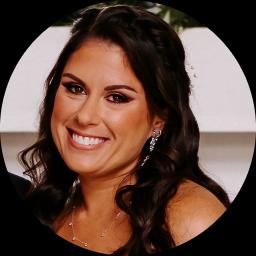
About Rachel
Rachel Fuller meets people where they are and helps them find clearer ways to cope. She writes in a direct, approachable way and focuses on practical steps to reduce anxiety, manage mood, and handle stress. Rachel holds the LPCC credential, which she uses while practicing in California.
She aims to make the first steps feel manageable for someone who may be overwhelmed. Rachel takes a down-to-earth style that mixes straightforward feedback with empathy.
Background and approach
She invites clients to talk about current struggles like relationships, parenting strains, career pressure, grief, or changes after adoption or foster placements. She also supports people dealing with trauma, mood disorders, ADHD, and issues around identity and self-worth. In sessions she draws on attachment-based ideas to look at how close relationships affect feelings and behavior.
She also uses client-centered techniques to keep sessions focused on each person’s priorities. Cognitive behavioral strategies help with patterns of thinking and behavior that fuel anxiety and depression. Rachel believes therapy is not one-size-fits-all.
She asks for feedback and adjusts strategies to fit a person’s life and goals. Her style is practical - teaching skills such as grounding, communication tools, and ways to manage strong emotions. She has seven years of experience working in California and blends directness with warmth to help people build better routines and healthier habits.
Rachel encourages small, steady changes that add up over time.
How therapeutic approaches translate to online care
Rachel combines attachment-based work and cognitive behavioral techniques to address relationship patterns and day-to-day thinking. Attachment-based work looks at how close relationships shape feelings and reactions, which can help with communication problems, codependency, and attachment issues. Cognitive behavioral therapy focuses on spotting unhelpful thoughts and testing new behaviors to reduce anxiety, depression, and mood swings.Choosing the right approach is a collaborative process. The therapist will listen to your goals and try different techniques while asking for your feedback. Together you decide which mix of methods fits your needs and life circumstances, and adjustments are made as progress is tracked.
Online therapy offers practical flexibility. Video calls let you meet face-to-face when visual cues matter. Phone sessions work well when bandwidth is limited or when you need a check-in without being on camera. Live chat and text-based messaging provide shorter, frequent check-ins and can fit into busy days. These options make it easier to keep a steady rhythm of sessions while balancing work, family, or other commitments.
Questions people ask
What concerns does Rachel commonly address?
What is Rachel's general approach in sessions?
How much clinical experience does she have?
What credentials and region are listed for Rachel?
Which languages are supported for therapy?
Are international clients accepted?
What session formats are available?
How does cost and starting therapy work?
What this counselor works with
Most often
- Stress, Anxiety
- Relationship issues
- Self esteem
Also listed
- ADHD
- Adoption and foster care
- Anger management
- Attachment issues
- Bipolar disorder
- Body image
- Career difficulties
- Codependency
- Commitment issues
- Communication problems
- Compassion fatigue
- Coping with life changes
- Depression
- Emptiness
- Family conflicts
- Family problems
- Forgiveness
- Grief
- Guilt and shame
- Impulsivity
- Isolation / loneliness
- LGBT
- Life purpose
- Mood disorders
- Parenting issues
- Post-traumatic stress
- Self-harm
- Self-love
- Sleeping disorders
- Social anxiety and phobia
- Trauma and abuse
- Young adult issues
Therapeutic approaches
- Experience
- 7 years
- Licensed
- California
- Languages
- English