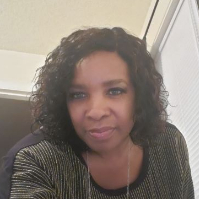
About Michelle
Michelle Powell is a Licensed Professional Counselor who brings 25 years of experience to her work. She offers steady, practical help for people feeling overwhelmed by stress, grief, anxiety, depression, or big life changes. Michelle speaks plainly and works to make the first steps into counseling easier to take.
She uses a client-centered approach that starts with listening. Sessions focus on what matters most to each person and on building skills that can be used between meetings.
Background and approach
Michelle also draws on cognitive behavioral techniques to help people spot unhelpful thinking and try different ways of coping. Her practice addresses a wide range of concerns including relationship strain, parenting stress, sleeping problems, low self-esteem, anger, and compassion fatigue. She also supports people facing aging or caregiver strain, attachment concerns, obsessions or compulsions, and challenges linked to military service.
Michelle aims to promote autonomy so people feel more capable making decisions for themselves. She tailors plans to each person rather than using a one-size-fits-all method. Conversations are paced to match the client’s needs and goals.
Sessions can include short-term problem solving or longer work on patterns that keep causing pain. Michelle encourages honest dialog and practical steps that fit into everyday life. She welcomes questions about the process and how therapy might help.
How online approaches and skill work together
Acceptance and Commitment Therapy (ACT) helps people notice difficult thoughts without getting stuck in them and then move toward actions that match their values. It can be useful for anxiety, depression, and life changes when someone wants to build meaningful habits. Cognitive Behavioral Therapy (CBT) looks at the links between thoughts, feelings, and behaviors and teaches concrete tools to test and change unhelpful thinking. It often helps with anxiety, depression, sleep problems, and managing mood swings.Finding the right approach is part of the work. Michelle will collaborate with each person to choose methods that fit their goals and preferences. That might mean focusing on skill practice one week and values-based work the next, based on what helps the client make progress.
Online therapy formats include video calls, phone sessions, live chat, and text-based messaging. Video calls are good for face-to-face conversation and teaching new skills. Phone sessions can fit into a short break or work better when bandwidth is limited. Live chat and text help with quick check-ins, homework support, or when someone prefers writing to talking. These options make it easier to fit therapy into a busy life and keep momentum between meetings.
Questions people ask
What kinds of concerns does she help with?
How would you describe her therapeutic style?
How much experience does she have?
Where is she licensed and based?
Which languages are available for sessions?
What session formats are offered?
How does payment work?
How do I begin working with her?
What this counselor works with
Most often
- Stress, Anxiety
- Family conflicts
- Grief
Also listed
- ADHD
- Aging and geriatric issues
- Anger management
- Attachment issues
- Bipolar disorder
- Caregiver issues and stress
- Codependency
- Commitment issues
- Communication problems
- Compassion fatigue
- Coping with life changes
- Depression
- Emptiness
- Family problems
- Infidelity
- Isolation / loneliness
- Jealousy
- Life purpose
- Midlife crisis
- Obsessions, compulsions, and OCD
- Parenting issues
- Phobias
- Postpartum depression
- Relationship issues
- Self esteem
- Self-love
- Sleeping disorders
- Social anxiety and phobia
- Veteran and Armed Forces Issues
- Women's issues
- Workplace issues
- Young adult issues
Therapeutic approaches
- Experience
- 25 years
- Licensed
- Georgia
- Languages
- English