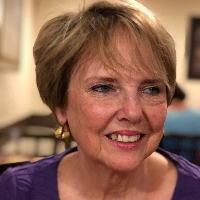
About Mary
Dr. Mary Walker helps people facing eating and sleeping problems, addictions, grief, career stress, bipolar disorder, ADHD, and questions about sexual orientation and identity. She also supports those dealing with abandonment, adoption and foster care issues, caregiver stress, chronic illness, and family of origin struggles.
Dr. Walker is a Licensed Professional Counselor in Texas with ten years of experience and a background that includes teaching and mentoring. She listens closely and treats each person as an individual.
Background and approach
Her style is warm and straightforward. Sessions focus on practical steps people can take between meetings, and on making sense of patterns that keep problems repeating. Dr.
Walker trained in counseling at the Houston Graduate School of Theology and completed a Ph.D. at Texas A&M Corpus Christi. Before counseling she taught art in high school and served as a mentor in church settings, experiences that shaped how she connects with others. Her sessions draw on Client-Centered Therapy, Cognitive Behavioral Therapy, Dialectical Behavior Therapy, Existential Therapy, and Mindfulness approaches.
She blends these methods to match what a person needs, using skills work, thought reframing, and grounding practices. People come to her when life feels overwhelming, when old wounds keep resurfacing, or when they need tools to manage mood, anxiety, or addictive behaviors. She aims to be a steady presence who walks alongside clients as they build healthier routines and clearer goals.
How therapeutic methods translate to online care
Client-Centered Therapy centers on understanding each person's perspective and meeting them where they are; online sessions using this approach focus on being heard and on building a trusting connection through conversation and reflection. Cognitive Behavioral Therapy, or CBT, breaks problems into thoughts, feelings, and behaviors to find practical change; it works well online with structured exercises, worksheets, and between-session tasks that people can do on their own.Finding the right approach is part of the work together. The therapist will hear about your goals, try methods that fit your needs, and adjust things based on what helps. This is a collaborative process where feedback guides which techniques get emphasized and when new strategies are introduced.
Online therapy offers several practical benefits. Video calls support face-to-face conversation and visual cues. Phone sessions are useful when bandwidth is limited or a shorter check-in is needed. Live chat and text-based messaging make it possible to check in between appointments and keep momentum with brief updates or skills practice. These options give flexibility to fit therapy into work, caregiving, or travel schedules while keeping treatment consistent and focused.
Questions people ask
What kinds of problems does this therapist help with?
What is her therapeutic style like?
How much experience does she have?
What credentials and region apply to this therapist?
Can I work with her if I live outside the United States?
What session formats are available?
How is payment handled and what does it cost?
What are the first steps to begin therapy?
What this counselor works with
Most often
- Eating disorders
- Sleeping disorders
Also listed
- Abandonment
- Addictions
- ADHD
- Adoption and foster care
- Aging and geriatric issues
- Avoidant personality
- Bipolar disorder
- Blended family issues
- Career difficulties
- Caregiver issues and stress
- Chronic pain, illness, and disability
- Co-morbidity
- Coaching
- Codependency
- Commitment issues
- Control issues
- Coping with natural or human-caused disaster
- Dissociation
- Emptiness
- Family of origin issues
- Forgiveness
- Grief
- Guilt and shame
- Hospice and end-of-life counseling
- Impulsivity
- Infidelity
- Isolation / loneliness
- LGBT
- Life purpose
- Midlife crisis
- Mood disorders
- Obsessions, compulsions, and OCD
- Panic disorder and panic attacks
- Personality disorders
- Phobias
- Post-traumatic stress
- Process addiction (porn, exercise, gambling)
- Seasonal Affective Disorder (SAD)
- Sexual assault and abuse
- Social anxiety and phobia
- Women's issues
- Workplace issues
- Young adult issues
Therapeutic approaches
- Experience
- 10 years
- Licensed
- Texas
- Languages
- English