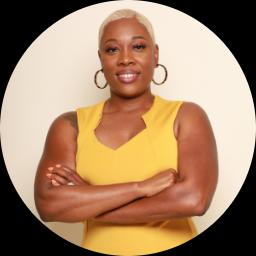
About Lanecha
Dr. Lanecha Conner is a licensed clinical professional counselor with nine years of experience helping adults who feel overwhelmed, anxious, or emotionally worn out. She works with people who manage responsibilities well on the outside but struggle inside.
Her style aims to create a space where clients can finally breathe and begin to make change. She uses a semi-structured, supportive approach that still feels warm and human. Sessions focus on slowing things down, naming what’s happening, and building practical tools clients can use between meetings.
Background and approach
Dr. Conner blends Cognitive Behavioral Therapy, Narrative Therapy, and Solution-Focused techniques to address stressful patterns and everyday challenges. Her work often centers on stress, anxiety, relationship concerns, self-esteem, and coping with life changes.
She also helps people navigate grief, addiction-related struggles, intimacy issues, parenting pressures, career crossroads, compassion fatigue, and trauma and abuse. Additional focuses include adoption and foster care, blended family issues, parenting challenges, and topics related to alternative sex culture. Expect conversations that move from immediate problem-solving to deeper shifts in self-understanding.
Dr. Conner aims to strengthen self-trust and reduce distress by challenging limiting beliefs and reinforcing what’s already working. The goal is practical change that fits real, busy lives.
Sessions take place through a mix of video calls, phone sessions, live chat, or text-based messaging. Dr. Conner practices in Illinois and offers services in English.
How her approaches translate to online therapy
Dr. Conner commonly draws on Cognitive Behavioral Therapy and Narrative Therapy in her online work. CBT focuses on spotting thoughts and behaviors that keep problems going and trying small experiments to change them; it helps with anxiety, mood shifts, and stress. Narrative Therapy looks at the stories people tell about themselves and helps create alternate, more helpful stories that open new options for action.Choosing an approach is collaborative. She will talk with each person about goals, preferences, and what they find most useful. That conversation helps decide whether CBT, Narrative methods, or other techniques fit best and how to blend them over time.
Online formats include video calls, phone sessions, live chat, and text-based messaging. Video allows face-to-face interaction for skill work and deeper conversation. Phone sessions can be easier when bandwidth is limited or a shorter check-in is needed. Live chat and text messaging can support quick skill refreshers, progress notes, or ongoing coaching between sessions. These options make scheduling more flexible and help people fit therapy into busy lives.
Questions people ask
What kinds of concerns does she address?
What is her therapy style like?
How much experience does she have?
What credentials and location are listed?
Which languages are supported?
How can sessions be delivered?
How is cost handled?
What should I do to start therapy?
What this counselor works with
Most often
- Stress, Anxiety
- Relationship issues
- Self esteem
Also listed
- Addictions
- Adoption and foster care
- Anger management
- BDSM, kink, and alternative sex culture
- Bipolar disorder
- Blended family issues
- Career difficulties
- Coaching
- Commitment issues
- Communication problems
- Compassion fatigue
- Control issues
- Coping with life changes
- Divorce and separation
- Emptiness
- Family conflicts
- Fatherhood issues
- Forgiveness
- Grief
- Infidelity
- Intimacy-related issues
- Isolation / loneliness
- Jealousy
- LGBT
- Life purpose
- Parenting issues
- Polyamory / non-monogamous relationships
- Prejudice and discrimination
- Seasonal Affective Disorder (SAD)
- Self-love
- Sexuality
- Social anxiety and phobia
- Trauma and abuse
- Veteran and Armed Forces Issues
- Women's issues
- Workplace issues
Therapeutic approaches
- Experience
- 9 years
- Licensed
- Illinois, Georgia
- Languages
- English