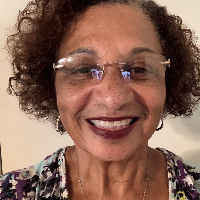
About Julia
Julia Brown is a licensed professional counselor with 32 years of experience who helps people facing trauma, grief, anxiety, depression, relationship pain, and stress. She welcomes questions about addiction, bipolar disorder, parenting strain, and challenges tied to life transitions. Julia writes plainly and listens closely to what matters most to each person.
Her approach emphasizes practical skills and steady support. She uses methods like cognitive behavioral therapy to change unhelpful thinking, dialectical behavior therapy skills for managing intense emotions, and trauma-focused work for processing past harm.
Background and approach
Mindfulness and solution-focused strategies are used to build calm and find concrete next steps. Julia trained in counseling and earned a Master of Science in Counseling Psychology. She has worked in direct clinical roles and in supervisory positions, giving her broad experience with crisis intervention and trauma care.
She has also supported first responders and people reentering the community after incarceration. Sessions aim to be straightforward and goal-oriented. Julia helps people set small, doable goals and practices new skills between meetings.
She also pays attention to how life events - divorce, loss, caregiving, or career change - shape daily coping. People who come for help often want clear tools, steady listening, and realistic plans. Julia frames therapy as a step-by-step process where progress is measured in daily changes and better routines.
Online approaches for trauma, skills, and coping
Julia often uses cognitive behavioral therapy to help people spot and change patterns of thinking that worsen anxiety or depression; CBT focuses on practical exercises and homework that show results in daily life. She also uses dialectical behavior therapy skills to help with intense emotions and relationship stress - DBT teaches emotion regulation, distress tolerance, and clearer communication techniques.Choosing the right approach is part of the work. The therapist collaborates with each person to pick methods that match goals, symptoms, and preferences. That means trying approaches, adjusting them, and checking how well they help with sleep, mood, or problem solving.
Online sessions offer flexible ways to connect. Video calls allow face-to-face conversation for role‑playing, skill coaching, and guided exercises. Phone sessions can fit into a lunch break or require less bandwidth. Live chat and text-based messaging work well for brief check-ins, homework review, or when writing feels easier than speaking. These options make it simpler to keep therapy consistent around work, caregiving, or travel.
Questions people ask
What kinds of problems does she focus on?
How would you describe her therapy style?
What background does she bring to sessions?
What credentials and location are listed?
Which languages are supported for sessions?
What session formats are available?
How are costs and billing handled?
How does someone begin working with her?
What this counselor works with
Most often
Also listed
- Addictions
- Adoption and foster care
- Aging and geriatric issues
- Anger management
- Bipolar disorder
- Blended family issues
- Career difficulties
- Communication problems
- Compassion fatigue
- Coping with life changes
- Coping with natural or human-caused disaster
- Depression
- Divorce and separation
- Domestic violence
- Family conflicts
- Family problems
- First responder issues
- Forgiveness
- Infidelity
- Intimacy-related issues
- Isolation / loneliness
- Jealousy
- Life purpose
- Midlife crisis
- Mood disorders
- Multicultural concerns
- Parenting issues
- Personality disorders
- Phobias
- Post-traumatic stress
- Postpartum depression
- Prejudice and discrimination
- Relationship issues
- Seasonal Affective Disorder (SAD)
- Self-harm
- Sexual assault and abuse
- Social anxiety and phobia
- Stress, Anxiety
- Veteran and Armed Forces Issues
- Women's issues
Therapeutic approaches
- Experience
- 32 years
- Licensed
- Mississippi
- Languages
- English