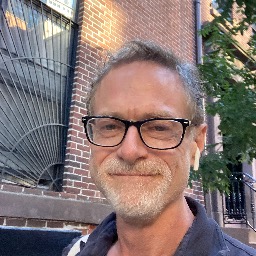
About Graham
Graham Harriman is a licensed professional counselor with 14 years of clinical experience in Oregon. He centers sessions on the person in front of him and uses mindfulness to help people notice how their body and mind respond to stress. He brings a direct, down-to-earth style to conversations about sexuality, addiction, mood, and life transitions.
Graham blends a person-centered stance with existential ideas. He helps people clarify values, face difficult choices, and rebuild meaning after loss or major change.
Background and approach
Mindfulness practices are used in-session to sharpen attention and calm racing thoughts. His background includes work as a mental health therapist, program manager, and public health program director. That experience shaped his understanding of community resources and systems that affect health.
He also collaborated on a book about community responses to AIDS and mutual aid. Graham has focused clinical experience with substance use and harm reduction, including crystal methamphetamine, and with LGBTQ sexual health and intimacy concerns. He also supports people dealing with depression, anxiety, grief, anger, ADHD, and relationship problems.
He helps clients name practical next steps and try them between meetings. Sessions tend to be conversational and practical. He uses motivational interviewing when people want help changing habits.
Dialectical strategies are used when strong emotions make daily life harder. The work is collaborative and paced to each person’s needs.
How his therapy approaches translate online
Graham uses client-centered work to focus on each person's priorities and values; that means sessions begin by listening carefully and shaping goals around what matters most. Dialectical Behavior Therapy, or DBT, provides concrete skills for managing intense emotions and improving relationships when feelings become overwhelming. Existential therapy helps people name what gives their life meaning and make choices that match their values.Finding the right approach is part of the process. He will discuss different methods and work with clients to choose what fits their needs and preferences. The process is collaborative - goals and techniques are adjusted as clients learn what helps them make progress.
Online sessions are offered by video calls, phone sessions, live chat, or text-based messaging to give flexibility. Video is useful for deeper conversations and skill practice, phone sessions can be a simpler option when bandwidth is limited, and live chat or messaging supports brief check-ins or ongoing coaching between meetings. These options make it easier to fit therapy into a busy life and to continue work consistently over time.
Questions people ask
What concerns does Graham commonly address?
How would you describe his therapeutic style?
What kind of background does he bring to sessions?
What credentials and region apply to his practice?
Which languages are supported and can he see international clients?
What formats are available for sessions?
How are sessions paid for and what does cost look like?
How do I begin working with him?
What this counselor works with
Most often
Also listed
- ADHD
- Aging and geriatric issues
- Anger management
- BDSM, kink, and alternative sex culture
- Bipolar disorder
- Cancer
- Career difficulties
- Coaching
- Communication problems
- Compassion fatigue
- Coping with life changes
- Depression
- Emptiness
- Family conflicts
- Family problems
- Grief
- HIV / AIDS
- Hospice and end-of-life counseling
- Immigration issues
- Isolation / loneliness
- Life purpose
- Men's issues
- Midlife crisis
- Mood disorders
- Multicultural concerns
- Polyamory / non-monogamous relationships
- Process addiction (porn, exercise, gambling)
- Relationship issues
- Self esteem
- Self-love
- Sex addiction
- Sexual dysfunction
- Sexuality
- Sleeping disorders
- Stress, Anxiety
- Trauma and abuse
- Workplace issues
- Young adult issues
Therapeutic approaches
- Experience
- 14 years
- Licensed
- Oregon
- Languages
- English