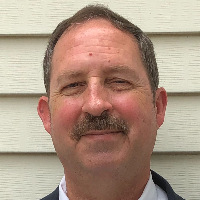
About Earl
Earl Green is a Licensed Professional Counselor practicing in Texas. He brings seven years of counseling experience and a background that blends education, faith-informed perspectives, and community support. He speaks plainly and aims to help people take practical steps toward clearer goals and steadier emotion.
Earl frames therapy as a partnership. He listens first, then helps clients set small, achievable steps. He uses straightforward conversation and coaching-style guidance to help people move past feeling stuck.
Background and approach
Many sessions focus on skill-building for stress, anxiety, low self-esteem, grief, depression, and life transitions. His experience includes roles in public schools, a youth shelter, and a state correctional setting. He has helped run grief and family support groups and has provided faith-based counseling and prayer support in para church settings.
Those experiences shape his pragmatic, down-to-earth approach. Earl draws on several therapeutic methods to fit different needs. He often uses client-centered listening, cognitive techniques to shift unhelpful thoughts, and narrative work to reframe personal stories.
Mindfulness and existential ideas also appear in conversations about meaning and values. Clients can expect calm, empathetic attention and clear suggestions for change. Earl also understands challenges like caregiving stress, adoption-related identity questions, and career setbacks from his own life experience.
He invites people to try one step and then another, moving at a pace that fits each person.
How these approaches work online
Earl often combines client-centered listening with cognitive behavioral techniques. Client-centered work focuses on listening closely and helping people feel heard, which helps with self-esteem and emotional processing. Cognitive behavioral work looks at thought patterns and offers practical steps to reduce anxiety or depressive symptoms.He also uses narrative and existential ideas to help people make sense of life changes. Narrative work helps people reframe their personal story so it no longer limits them. Existential conversations focus on values and meaning when people face major transitions or questions about purpose.
Finding the right approach is a collaborative process. Earl will discuss goals and preferences, try methods that fit those goals, and adjust based on what helps most. Clients and therapist work together to shape pacing, homework, and techniques so therapy stays useful.
Online formats make that collaboration convenient. Video calls allow deeper conversation and visual cues. Phone sessions can be easier when bandwidth is limited or a shorter check-in is needed. Live chat and text-based messaging work well for brief updates, coaching-style prompts, or ongoing support between appointments. These options let people fit therapy into busy lives and stay connected across different needs and schedules.
Questions people ask
What concerns does Earl help with?
What is his therapy style like?
What background does he bring to sessions?
What credentials and region are listed?
Which languages are supported and can he work internationally?
How are sessions conducted online?
What do sessions cost?
How do I begin working with him?
What this counselor works with
Most often
- Stress, Anxiety
- Self esteem
- Career difficulties
Also listed
- Abandonment
- Adoption and foster care
- Aging and geriatric issues
- Antisocial personality
- Attachment issues
- Avoidant personality
- Bipolar disorder
- Blended family issues
- Body image
- Cancer
- Caregiver issues and stress
- Coaching
- Codependency
- Commitment issues
- Communication problems
- Compassion fatigue
- Control issues
- Coping with life changes
- Coping with natural or human-caused disaster
- Dependent personality
- Depression
- Divorce and separation
- Drug and alcohol addiction
- Eating and food-related issues
- Emptiness
- Family of origin issues
- Family problems
- Fatherhood issues
- Forgiveness
- Grief
- Guilt and shame
- Hospice and end-of-life counseling
- Impulsivity
- Isolation / loneliness
- Life purpose
- Men's issues
- Midlife crisis
- Phobias
- Post-traumatic stress
- Process addiction (porn, exercise, gambling)
- Seasonal Affective Disorder (SAD)
- Self-love
- Smoking / vaping cessation
- Social anxiety and phobia
- Visually impaired
- Women's issues
- Workplace issues
- Young adult issues
Therapeutic approaches
- Experience
- 7 years
- Licensed
- Texas
- Languages
- English