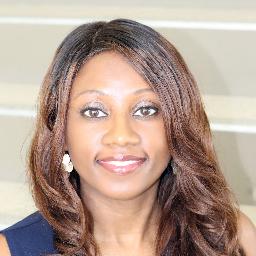
About Dora
Dora Williams is a Licensed Professional Counselor (LPC) who uses practical, skill-based therapy to help people manage anxiety, stress, depression, and relationship struggles. She writes plainly and listens closely to what each person wants to change. Her goal is to help clients build steady habits and clearer thinking so daily life feels more manageable.
Dora leans on Cognitive Behavioral Therapy and Dialectical Behavior Therapy to teach coping skills and change unhelpful thinking.
Background and approach
She also uses Solution-Focused Therapy and Motivational Interviewing to set short-term goals and keep momentum toward them. Trauma-focused approaches are used when people bring past hurts that interfere with current life. Her background includes work in independent practice, substance use clinics that offer methadone and suboxone, and psychiatric treatment settings.
That mix gives Dora experience with people facing addiction, mood changes, and crisis stabilization. She draws on nine years of clinical work when shaping a plan with each person. Sessions aim to be collaborative.
Dora helps people identify small, concrete steps that fit their routines. She teaches skills for emotion regulation, communication, and problem solving so changes stick. Outside of work she enjoys time with family, traveling, and trying new foods.
She practices in Texas and offers therapy in English.
Using evidence-based approaches in online sessions
CBT, or Cognitive Behavioral Therapy, focuses on identifying unhelpful thoughts and testing them with practical experiments. It is useful for anxiety, depression, and changing patterns that keep people stuck. DBT, or Dialectical Behavior Therapy, teaches emotion regulation, distress tolerance, and clearer communication skills to handle intense feelings and relationship stress. Motivational Interviewing is a collaborative way to boost motivation for change, especially when someone feels stuck or ambivalent about goals.Dora will work with each person to choose which approaches fit best. Finding the right mix is a team effort. She will listen to goals, try an approach, and adjust based on what helps people move forward and feel more capable.
Online formats include video calls, phone sessions, live chat, and text-based messaging. Video sessions allow face-to-face conversation for skills practice and role play. Phone sessions can be easier when bandwidth is limited or when someone prefers not to be on camera. Live chat and messaging are useful for brief check-ins, in-the-moment coaching, or when a shorter touchpoint is needed during a busy day. These options make it easier to fit therapy into work, caregiving, and travel schedules.
Questions people ask
What concerns does Dora commonly address?
What is her overall therapy style like?
What kind of experience does she bring?
Where is she licensed and based?
Which languages are supported in sessions?
Can people outside the U.S. work with her?
What session formats are available?
How do I begin therapy with her?
What this counselor works with
Most often
- Stress, Anxiety
- Relationship issues
- Self esteem
Also listed
- Abandonment
- Addictions
- ADHD
- Adoption and foster care
- Attachment issues
- Blended family issues
- Cancer
- Career difficulties
- Caregiver issues and stress
- Coaching
- Codependency
- Commitment issues
- Communication problems
- Compassion fatigue
- Control issues
- Coping with life changes
- Dependent personality
- Depression
- Divorce and separation
- Emptiness
- Family conflicts
- Family problems
- Forgiveness
- Grief
- Guilt and shame
- Infidelity
- Intimacy-related issues
- Isolation / loneliness
- Jealousy
- LGBT
- Life purpose
- Mood disorders
- Parenting issues
- Seasonal Affective Disorder (SAD)
- Self-love
- Social anxiety and phobia
- Trauma and abuse
- Women's issues
- Workplace issues
- Young adult issues
Therapeutic approaches
- Experience
- 9 years
- Licensed
- Texas, Oregon, Michigan
- Languages
- English