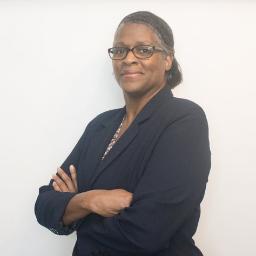
About Cynthia
Cynthia Moore is a Licensed Professional Counselor who brings 24 years of experience in diverse mental health settings. She has worked in inpatient, residential, partial hospitalization, intensive outpatient, and outpatient programs, and has also managed outpatient clinics. Cynthia focuses on helping people set clear goals and take steady steps toward them.
Her style is straightforward and compassionate. She listens first and then helps people decide what change looks like. Sessions tend to be practical and goal-directed while honoring each person’s beliefs and values.
Background and approach
Cynthia helps with a wide range of concerns including depression, anxiety, stress, addictions, trauma and abuse, anger, grief, and self-esteem. She also supports people facing parenting challenges, career questions, bipolar disorder, and relationship struggles. Additional areas of focus include abandonment, codependency, communication problems, infidelity, and family of origin issues.
Her approach draws on client-centered work, cognitive behavioral techniques, dialectical behavior ideas, and solution-focused strategies. That blend lets her tailor sessions to the person in front of her and the problem they want to solve. Cynthia practices in Texas and holds licensure that includes work in Washington as a Licensed Mental Health Counselor.
Sessions are offered in English. She aims to make therapy understandable and useful for people looking for real change.
How her approaches work online
Client-Centered Therapy focuses on understanding each person's perspective and building a trusting working relationship. It helps when someone needs a nonjudgmental space to talk through feelings and life decisions.Cognitive Behavioral Therapy, or CBT, looks at how thoughts, feelings, and actions connect. It uses clear, practical techniques to reduce anxiety, depression, and problematic behavior by changing unhelpful thinking and testing new behaviors.
Dialectical Behavior Therapy, or DBT, emphasizes skills for managing intense emotions, improving relationships, and coping with stress. It can be useful for people who struggle with mood swings, impulsive reactions, or chronic stress.
Finding the right approach is part of the work together. Cynthia will collaborate with each person to pick methods that fit their goals, needs, and comfort level. She adjusts tools and pacing as the relationship develops so therapy stays useful.
Online sessions are offered by video calls, phone, live chat, or text-based messaging to fit different schedules and needs. Video works well for most in-depth sessions. Phone can be a good option when bandwidth is limited or a simpler check-in is needed. Live chat and text messaging offer short, timely support between longer meetings. These options let people fit therapy around work, family, and daily life while using the therapeutic approaches described above.
Questions people ask
What kinds of problems does she help with?
How would you describe the therapy style?
What is her professional background?
What credentials and location are listed?
Which languages are sessions offered in?
What session formats are available?
How does cost and billing work?
How do I begin working with her?
What this counselor works with
Most often
- Relationship issues
- Anger management
- Self esteem
Also listed
- Abandonment
- Addictions
- Bipolar disorder
- Career difficulties
- Codependency
- Commitment issues
- Communication problems
- Control issues
- Coping with life changes
- Dependent personality
- Depression
- Disruptive Mood Dysregulation Disorder (DMDD)
- Emptiness
- Family of origin issues
- Family problems
- Forgiveness
- Grief
- Guilt and shame
- Infidelity
- Isolation / loneliness
- Jealousy
- Life purpose
- Multicultural concerns
- Parenting issues
- Self-love
- Social anxiety and phobia
- Stress, Anxiety
- Trauma and abuse
- Women's issues
- Young adult issues
Therapeutic approaches
- Experience
- 24 years
- Licensed
- Texas, Washington
- Languages
- English